


Ready to explore Sable Island National Park Reserve? Here's everything you need to know before you go!
Discover the trail
Oh no! We don't have any photos 😢
This trail hasn't been captured yet. Be the first to share your adventure!Trail description
Description
Sable Island National Park Reserve is one of the most remote and genuinely wild places you can visit in Canada. Sitting roughly 300 kilometres off the coast of Nova Scotia in the North Atlantic, this narrow crescent of sand is unlike any other protected area in the country. There are no trails in the traditional sense, no maintained paths, no signage, and no visitor infrastructure to speak of. What you get instead is raw, windswept coastline, massive sand dunes, and an ecosystem that has evolved in near-total isolation.
Getting here is the first challenge. Access to Sable Island is strictly controlled by Parks Canada, and visitors must obtain authorization before setting foot on the island. The only ways to arrive are by private aircraft or private vessel, and both require advance permission. There are no scheduled commercial flights or ferry services. This isn't a place you stumble upon — every visit takes deliberate planning.
What Makes Sable Island Different
Sable Island is best known for its wild horses. A population of feral horses has lived on the island for centuries, and they roam freely across the dunes and grasslands without any human management. Watching them move through the landscape — grazing near the beach, standing against the wind — is the kind of thing that stays with you. Parks Canada's policy is strict: you keep your distance and do not interact with the horses in any way.
Beyond the horses, the island is a critical habitat for grey seals, which haul out on the beaches in enormous numbers. Sable Island supports one of the largest grey seal colonies in the world. The shoreline at certain times of year is absolutely packed with them. The noise, the smell, the sheer volume of wildlife — it's an overwhelming sensory experience in the best possible way.
The island is also a significant stopover point for migratory birds. Birdwatchers come specifically for the rare and vagrant species that turn up here during migration, blown off course by Atlantic storms. The combination of its geographic position and open habitat makes it a magnet for unexpected sightings.
The Terrain
Sable Island is essentially a long, thin sandbar — roughly 42 kilometres long and never more than a couple of kilometres wide. The landscape is dominated by sand dunes, marram grass, and freshwater ponds. There is no forest, no rock, no elevation to speak of. The terrain is deceptively demanding: walking on loose sand for any distance is tiring, the wind is almost constant, and the weather can shift quickly.
The beaches on both the north and south shores have very different characters. The south beach tends to be more sheltered, while the north beach faces the open Atlantic and can be brutally exposed. The dunes themselves are active — they shift with the wind and storms, and the island's shape changes measurably over time. Sable Island has a long history of shipwrecks precisely because of how dynamic and unpredictable this environment is.
Visiting Practically
Because access requires Parks Canada authorization, the first step for any prospective visitor is contacting the agency directly to understand the current requirements and process. The number of visitors permitted on the island at any given time is very limited, which is intentional — the goal is to protect the ecosystem while allowing a small number of people to experience it.
There are no services on the island for general visitors. No food, no water, no shelter, no emergency facilities beyond what Parks Canada staff maintain for their own operations. Anyone visiting needs to be fully self-sufficient and prepared for rapidly changing Atlantic weather. Proper footwear for sand travel, wind protection, and rain gear are essential. Sun exposure on open sand with no shade is also a serious consideration.
A small Parks Canada presence is maintained on the island year-round, primarily for research and monitoring purposes. Staff can provide orientation to visitors who have received authorization, but this is not a guided tourism operation in the conventional sense.
Conservation Context
Sable Island was designated a National Park Reserve in 2013, giving it formal federal protection under Parks Canada's mandate. The "reserve" designation reflects ongoing discussions with Indigenous communities regarding land rights and title — a process that continues across many of Canada's newer protected areas.
The island's ecosystem is fragile and has been shaped by centuries of isolation. The plant communities, the horse population, the seal colonies, and the bird life all exist in a delicate balance. Parks Canada's management approach prioritizes minimal human intervention, which is why visitor access is so tightly controlled. The horses, for example, are not fed, not veterinarily treated, and not managed for population — they live and die on their own terms, which is unusual for a feral horse population anywhere in the world.
The surrounding waters are also ecologically significant, and the park reserve's boundaries extend into the marine environment, protecting habitat for a range of species beyond what's visible on the island itself.
Who This Place Is For
Sable Island is not for everyone, and that's by design. The logistical complexity, the cost of getting there, and the absence of any visitor amenities mean that the people who make it out here tend to be serious naturalists, wildlife photographers, researchers, or travellers who specifically want an experience that is genuinely off the beaten path.
If you're expecting a conventional hiking experience with marked trails and a parking lot, this isn't it. But if you want to stand on a remote Atlantic sandbar surrounded by wild horses and grey seals, with nothing but open ocean in every direction, Sable Island delivers something that very few places on earth can match.
- Access: By private aircraft or private vessel only, with advance authorization from Parks Canada
- Visitor permits: Required — contact Parks Canada before planning any trip
- Services on island: None for general visitors — full self-sufficiency required
- Wildlife: Feral horses, grey seals, migratory birds — do not approach or interact
- Terrain: Open sand dunes, beaches, and grassland — no marked trails
- Weather: Atlantic conditions, wind-exposed, can change rapidly at any time of year
Recommended gear for this trail


Ready to go?
Everything you need to know before you goStarting Point
The trails at the sable island national park reserve in Nova Scotia can be accessed from the visitor centre.
When?
How much?
- Hiking shoes Essential
- → Salomon Elixir Tour Mid WP · 203.38 $
- Layered clothing Essential
- Rain jacket Essential
- Trekking poles
- → Black Diamond Trail Ergo Cork · 69.99 $
- Headlamp
- → Petzl Actik Core 625 · 103.95 $
FAQ - Frequently asked questions
Everything you need to know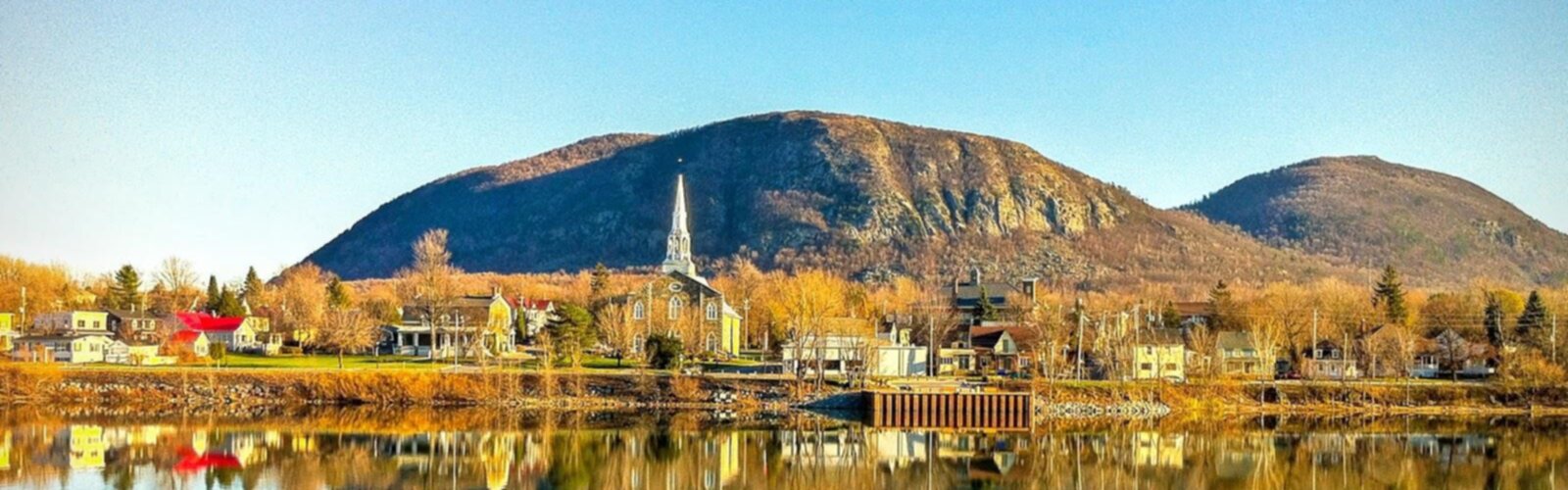
25 hikes under 2 hours from Montreal
Distance, elevation, parking and season for each one. The ones we go back to ourselves.
Get the guideSimilar hikes nearby
Discover other trails you might enjoy

Sandy Lake
Halifax Metro
South Lake
Halifax Metro
Cranberry Lake
Halifax Metro
Rocky Lake Quarry
Halifax Metro
Kidston Lake
Halifax Metro
Lake Charlotte, Nova Scotia
Halifax Metro
Hiking near Sydney
22 trails to explore ~246 km away
We work hard to provide the most up-to-date and error-free data possible. If something seems incorrect, let us know! Your contribution helps the whole community.
Hikers' opinions