

Ready to explore Parc naturel régional de la Forêt d'Orient? Here's everything you need to know before you go!
Discover the trail
Trail description
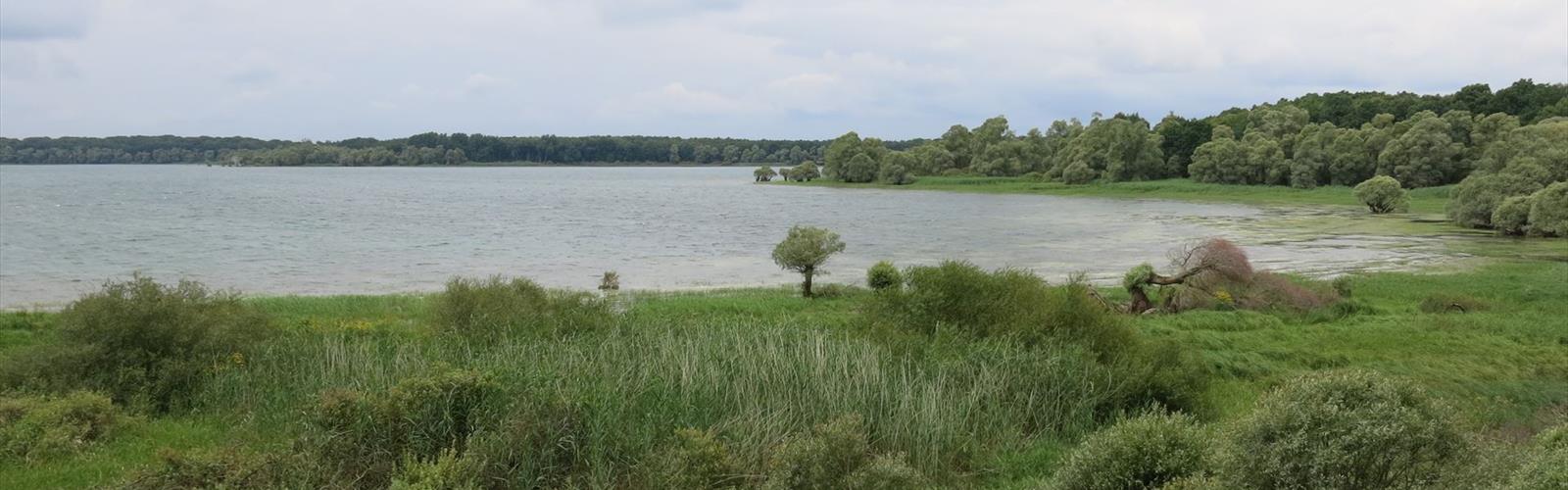
The Parc naturel régional de la Forêt d'Orient sprawls across the Aube department in the Grand Est region, creating one of France's most distinctive wetland wilderness areas. This expansive natural park centers around three interconnected artificial lakes—Lac d'Orient, Lac du Temple, and Lac Amance—surrounded by dense oak and beech forests that give the park its name. The landscape here feels almost Scandinavian, with vast stretches of water reflecting towering trees and expansive skies that seem to stretch endlessly across the Champagne plains.
What sets this park apart from other French natural areas is its unique combination of managed forest and engineered wetlands. The lakes were created in the 1960s as flood control reservoirs for the Seine River system, but they've evolved into thriving ecosystems that now support an incredible diversity of bird life and aquatic species. The result is a landscape that feels both wild and carefully orchestrated, where hiking trails wind through ancient forest corridors before opening onto dramatic lake vistas.
Trail Network and Terrain
The park offers an extensive network of well-maintained trails that cater to different hiking preferences and abilities. Most paths follow relatively flat terrain with gentle rolling hills, making this an accessible destination for families and casual hikers while still providing enough variety to keep experienced walkers engaged. The modest elevation changes throughout the park create a comfortable hiking experience, with the highest points offering panoramic views across the lake system and surrounding forest canopy.
Forest trails typically follow old logging roads and deer paths, winding through mature deciduous woodland where the canopy creates a cathedral-like atmosphere. These wooded sections provide excellent shade during summer months and transform into spectacular color displays during autumn. The understory varies from dense fern carpets in moister areas to more open sections where wildflowers bloom in spring and early summer.
Lakeside paths offer completely different hiking experiences, with wide open views and opportunities to observe waterfowl and other wildlife. These routes can be more exposed to weather conditions, but they provide some of the park's most memorable scenery. Wooden boardwalks and observation platforms extend over marshy areas, allowing hikers to explore wetland habitats without disturbing sensitive ecosystems.
The trail surfaces range from packed earth forest paths to gravel lakeside routes, with occasional wooden sections over wetland areas. Most trails remain accessible year-round, though some marshy sections can become muddy during wet periods. The gentle terrain makes this park particularly appealing for hikers looking for scenic beauty without challenging climbs.
Wildlife and Natural Features
The Forêt d'Orient serves as a crucial stopover point for migratory birds following the Seine River corridor, making it one of eastern France's premier birdwatching destinations. Over 250 bird species have been recorded in the park, including large populations of waterfowl, raptors, and woodland species. Spring and fall migrations bring exceptional diversity, with opportunities to spot everything from common cranes and grey herons to various duck species and birds of prey.
The forest ecosystem supports healthy populations of deer, wild boar, and smaller mammals, though these tend to be more active during dawn and dusk hours. The lake system hosts thriving fish populations, and the surrounding wetlands provide habitat for amphibians and reptiles that are increasingly rare in other parts of France.
Botanical diversity reflects the park's varied habitats, from deep forest species adapted to shade and rich soil to specialized wetland plants that thrive in the marshy areas around lake edges. The transition zones between forest and water create particularly interesting plant communities that change dramatically with seasonal water level fluctuations.
Hiking Experience and What to Expect
Walking through the Forêt d'Orient feels like stepping into a carefully balanced ecosystem where human engineering and natural processes have found harmony. The contrast between dense forest sections and open lakeside stretches keeps the hiking experience dynamic and engaging. You'll find yourself moving from the hushed atmosphere of mature woodland into bright, expansive views across water that stretches to the horizon.
The park's artificial lakes don't feel engineered when you're walking alongside them. Water levels fluctuate naturally with seasons and rainfall, creating ever-changing shorelines that support different plant communities. These variations mean that familiar trails can offer new perspectives on return visits, as exposed mudflats reveal different wildlife or rising waters create new wetland areas.
Forest sections provide a sense of wilderness that's increasingly rare in this part of France. The mature oak and beech trees create a canopy that filters light beautifully, especially during morning and evening hours. The understory changes character throughout the park, from areas where you can see deep into the woods to denser sections where the trail feels more enclosed and intimate.
Seasonal Considerations
Each season offers distinct advantages for hiking in the Forêt d'Orient. Spring brings wildflower blooms and peak bird migration activity, with comfortable temperatures and generally stable weather conditions. The forest canopy leafs out gradually, creating constantly changing light conditions and fresh green scenery.
Summer provides the warmest weather and longest daylight hours, though lakeside trails can become quite warm during midday. Early morning and evening hikes are particularly rewarding during this season, with excellent wildlife viewing opportunities and beautiful light for photography.
Autumn transforms the deciduous forest into a spectacular display of colors, typically peaking in mid to late October. This season also brings the fall bird migration and comfortable hiking temperatures, though weather can be more variable with occasional rain showers.
Winter hiking offers a completely different perspective on the park, with bare trees revealing landscape features hidden during leafy seasons. Snow is possible but not guaranteed, and the lakes rarely freeze completely. Winter provides excellent opportunities for spotting wildlife against the stark landscape, though daylight hours are limited.
Facilities and Access
Multiple access points around the park perimeter provide convenient starting points for different trail systems. The main visitor center near Mesnil-Saint-Père offers maps, trail information, and educational displays about the park's ecology and management. Parking areas are strategically located near major trailheads, though some of the more remote access points have limited capacity.
Trail marking throughout the park follows French hiking standards, with clear signage and regular waymarks to help hikers navigate the extensive trail network. Most major routes are suitable for families with children, though parents should be aware that some lakeside areas have steep or unstable banks.
The park welcomes leashed dogs on most trails, making it an excellent destination for hiking with pets. Dog owners should be particularly careful around wildlife areas and during bird nesting seasons to minimize disturbance to sensitive species.
Picnic facilities and rest areas are scattered throughout the park, often positioned to take advantage of scenic viewpoints or shaded forest clearings. These provide convenient stopping points for longer hikes and family outings, allowing visitors to fully appreciate the unique landscape where engineered waterways and ancient forests create one of the Grand Est region's most compelling natural destinations.
The Essential Hiking Checklist
Everything you need for your next hike. Bilingual, printable, 1 page.
Get your free hiking checklistRecommended gear for this trail
As an Amazon Associate I earn from qualifying purchases.


Ready to go?
Everything you need to know before you goWhen?
Tuesday: 1:30 – 5:00 PM
Wednesday: 1:30 – 5:00 PM
Thursday: 1:30 – 5:00 PM
Friday: 1:30 – 5:00 PM
Saturday: 1:30 – 5:00 PM
Sunday: 1:30 – 5:00 PM
How much?
As an Amazon Associate I earn from qualifying purchases.
Affiliate links — LGPO may earn a commission at no extra cost to you.
- Hiking shoes Essential
- → Salomon Elixir Tour Mid WP · 203.38 $
- Layered clothing Essential
- Rain jacket Essential
- Trekking poles
- → Black Diamond Trail Ergo Cork · 69.99 $
- Headlamp
- → Petzl Actik Core 625 · 103.95 $
FAQ - Frequently asked questions
Everything you need to knowHiking near Sydney
22 trails to explore ~4750 km away
We work hard to provide the most up-to-date and error-free data possible. If something seems incorrect, let us know! Your contribution helps the whole community.
Hikers' opinions
Be the first to review!
No hiker has shared their experience yet. Share your impressions and help other hikers!