

Ready to explore Cutts Island Trail on the Rachel Carson Nature Preserve? Here's everything you need to know before you go!
Discover the trail
Trail description
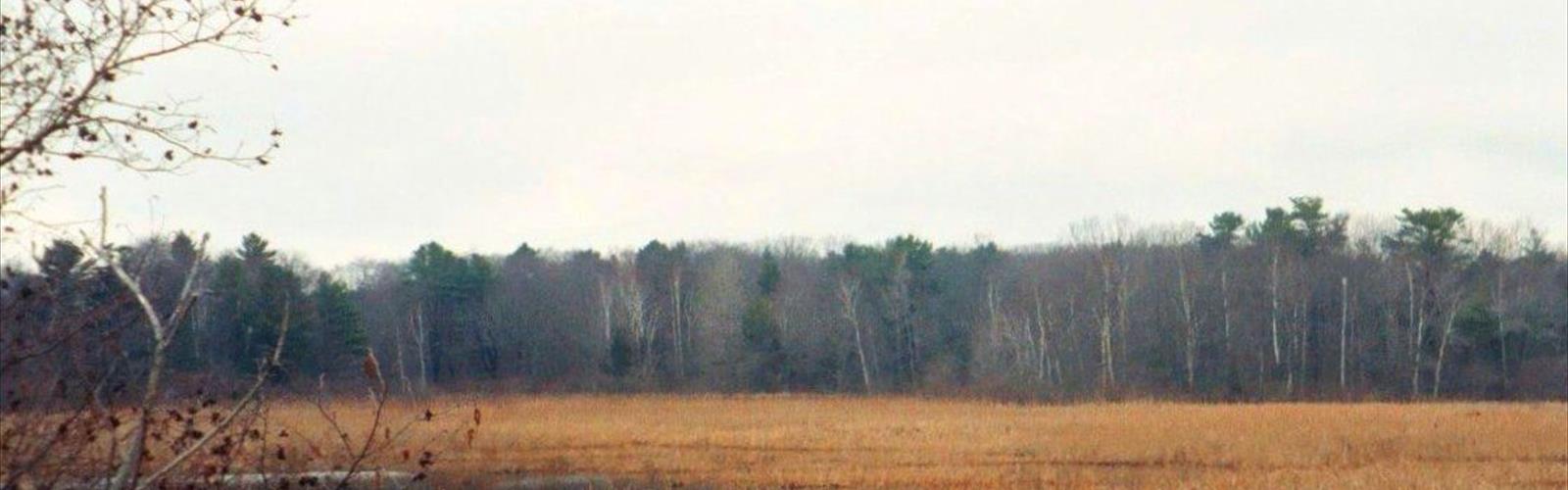
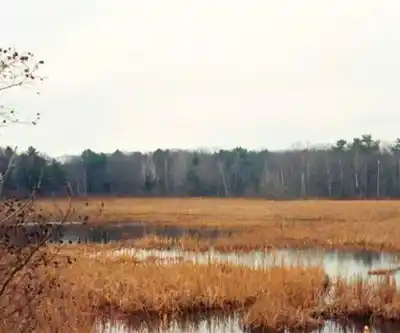
The Cutts Island Trail on the Rachel Carson National Wildlife Refuge is one of those quiet coastal gems that doesn't get nearly enough attention. Tucked into the southern Maine coast, this trail winds through a remarkably diverse stretch of habitat — salt marsh, upland forest, and rocky shoreline — all within a single, accessible loop. It's the kind of place where you slow down without even trying.
About the Rachel Carson National Wildlife Refuge
The Rachel Carson National Wildlife Refuge was established to protect the fragile coastal ecosystems of southern Maine. Named after the pioneering naturalist and author of Silent Spring, the refuge is a fitting tribute — Carson herself spent time along this stretch of coastline and drew deep inspiration from it. The refuge is managed by the U.S. Fish and Wildlife Service and spans multiple units along the Maine coast, protecting salt marshes, estuaries, and upland habitat critical to migratory birds and a wide range of coastal wildlife.
The Cutts Island unit, where this trail is located, sits within the Wells component of the refuge and offers one of the most accessible and rewarding walking experiences in the area. It's a place that rewards patience — the more time you spend here, the more you notice.
What the Trail Is Like
The Cutts Island Trail is a loop that takes you through a genuine cross-section of coastal Maine habitat. You'll move between upland forest edges, open salt marsh views, and tidal creek shoreline — sometimes within just a few steps of each other. The terrain is relatively flat and the footing is generally good, making this a trail that a wide range of hikers can enjoy comfortably.
The path is well-marked and easy to follow. Wooden footbridges help you cross wetter sections, and there are spots along the way where you can stop and look out over the marsh without any obstruction. The tidal creeks that cut through the landscape shift with the tides, so the scenery genuinely changes depending on when you visit — low tide exposes mudflats and feeding shorebirds, while high tide fills the channels and gives the marsh a completely different character.
The forest sections of the trail feel sheltered and quiet, a contrast to the open marsh views. You're walking through a mix of coastal shrubs and trees that provide cover for songbirds, especially during migration season. It's not dramatic terrain, but it's layered — there's always something to look at if you're paying attention.
Wildlife and Natural Features
This trail is genuinely excellent for wildlife observation. The salt marsh habitat is among the most productive ecosystems on the Atlantic coast, and the Cutts Island unit is no exception. Shorebirds, wading birds, and waterfowl are regular visitors, and the tidal creeks attract great blue herons, egrets, and a rotating cast of migratory species depending on the season.
The upland edges are good for songbirds, particularly warblers during spring and fall migration. Osprey are commonly seen hunting over the marsh. If you're quiet and move slowly, you stand a real chance of close-up wildlife encounters here — this isn't a trail where the animals have been scared off by heavy foot traffic.
The salt marsh itself is worth understanding as you walk through it. These ecosystems are among the most ecologically valuable on the coast — they filter water, buffer storm surges, sequester carbon, and serve as nursery habitat for fish and invertebrates. Walking alongside one gives you a tangible sense of what healthy coastal habitat looks like.
Practical Information
- Access: The trailhead is located off Skinner Mill Road in Wells, Maine. Parking is available at the trailhead lot.
- Dogs: Dogs are not permitted on the Cutts Island Trail, as is standard policy across most units of the Rachel Carson National Wildlife Refuge. This helps protect the wildlife the refuge was established to preserve.
- Fees: There is no fee to access this trail. The refuge is free and open to the public.
- Facilities: Facilities are minimal — come prepared. There are no restrooms at the trailhead.
- Bikes: The trail is for foot travel only. Bicycles are not permitted.
- Hours: The trail is open during daylight hours. Check with the U.S. Fish and Wildlife Service for any seasonal closures, as portions of the refuge may be closed during sensitive nesting periods.
Tips for Your Visit
Timing your visit around the tides makes a noticeable difference. Low tide is generally better for shorebird watching and gives you a fuller view of the mudflat habitat. High tide floods the creeks and can make the marsh feel more dynamic and visually striking. Either way, the trail itself remains accessible.
Bring binoculars. This is not a trail where you need technical gear or serious footwear, but a pair of binoculars will dramatically improve your experience. The wildlife here is often at a distance across open marsh, and getting a closer look makes a real difference.
Wear layers and be ready for coastal wind, even on days that seem warm inland. The marsh is exposed, and the temperature near the water can feel significantly cooler than what you'd expect. Insect repellent is worth having in warmer months — salt marshes and their edges can be buggy, particularly in the evening.
Move quietly and take your time. The Cutts Island Trail rewards a slow pace. Hikers who rush through miss most of what makes this place worth visiting. Give yourself enough time to stop at the marsh overlooks, watch the tidal creeks, and just listen.
Who This Trail Is Good For
The Cutts Island Trail is a strong choice for birders, nature photographers, and anyone who wants a genuine coastal Maine experience without a strenuous hike. It's accessible enough for families with older children who can handle a natural surface trail, and it's quiet enough that you won't feel like you're sharing the experience with a crowd. It's not a trail for people looking for elevation or a physical challenge — it's a trail for people who want to spend time in a place that feels genuinely wild and ecologically intact, without having to work hard to get there.
The Essential Hiking Checklist
Everything you need for your next hike. Bilingual, printable, 1 page.
Get your free hiking checklistRecommended gear for this trail
As an Amazon Associate I earn from qualifying purchases.


Ready to go?
Everything you need to know before you goStarting Point
The Cutts Island Trail is located on the Rachel Carson Nature Preserve in Maine. To get to the start of the trails, take exit 9 from I-95 and follow Route 1 north for 2.5 miles. Turn left onto the preserve entrance road and follow it for 0.5 miles to the parking area.
When?
How much?
As an Amazon Associate I earn from qualifying purchases.
Affiliate links — LGPO may earn a commission at no extra cost to you.
- Hiking shoes Essential
- → Salomon Elixir Tour Mid WP · 203.38 $
- Layered clothing Essential
- Rain jacket Essential
- Trekking poles
- → Black Diamond Trail Ergo Cork · 69.99 $
- Headlamp
- → Petzl Actik Core 625 · 103.95 $
FAQ - Frequently asked questions
Everything you need to knowSimilar hikes nearby
Discover other trails you might enjoy

Fisherman's Walk
Maine Beaches

Fort McClary State Historic Site
Maine Beaches
Mt Agamenticus
Maine Beaches
Vaughan Woods State Park
Maine Beaches
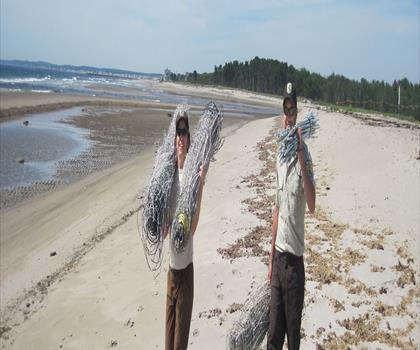
Rachel Carson National Wildlife Refuge
Maine Beaches
Mount Agamenticus, Maine
Maine Beaches
Hiking near Portsmouth
0 trails to explore ~7 km away
We work hard to provide the most up-to-date and error-free data possible. If something seems incorrect, let us know! Your contribution helps the whole community.
Hikers' opinions
Be the first to review!
No hiker has shared their experience yet. Share your impressions and help other hikers!