

Ready to explore Rachel Carson National Wildlife Refuge? Here's everything you need to know before you go!
Discover the trail
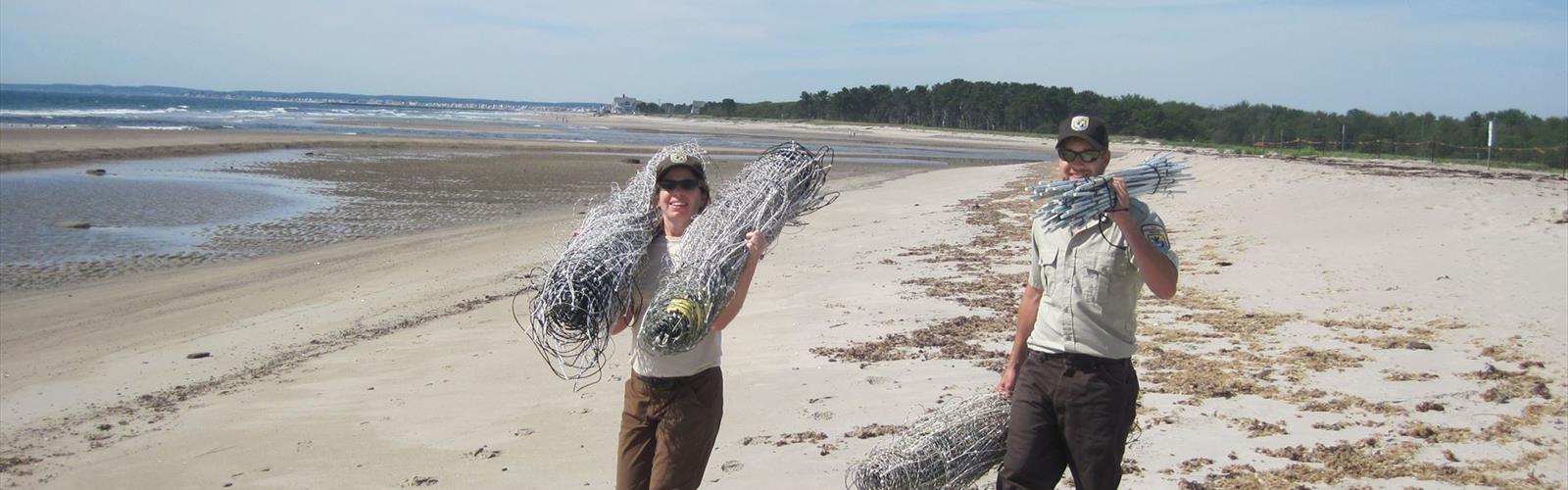
Photos: U. S. Fish and Wildlife Service - Northeast Region — Domaine public (Wikimedia Commons)
Available trails
| TrailTrails | Dist.Distance | GainElevation | TimeDuration | Difficulty | GPX |
|---|---|---|---|---|---|
|
|
1.47 km | — | 20min | GPX |
GPX track: © OpenStreetMap contributors — ODbL 1.0
Trail description
The Rachel Carson National Wildlife Refuge stretches along Maine's southern coast, protecting over 9,000 acres of salt marshes, estuaries, and coastal forests across York and Cumberland counties. Established in 1966 and named after the influential environmentalist and author of "Silent Spring," this refuge serves as both a critical habitat for migratory birds and an accessible destination for hikers seeking a genuine coastal Maine experience without the crowds of more famous destinations.
What sets this refuge apart from other Maine hiking spots is its unique combination of forest and saltwater environments. Unlike the rocky headlands that dominate much of the state's coast, here you'll walk through a landscape shaped by tides, where freshwater streams meet salt marshes and dense woodlands give way to open wetlands. The terrain is refreshingly flat, making it one of the few places in Maine where you can enjoy extended outdoor time without steep climbs or technical challenges.
Trail Network and Hiking Experience
The refuge's trail system centers around the Carson Trail, a well-maintained loop that serves as the perfect introduction to this coastal ecosystem. The trail begins in a mixed forest of oak, pine, and maple, where the canopy provides welcome shade during summer months. As you progress, the path opens onto elevated boardwalks and viewing platforms that extend over tidal marshes, offering unobstructed views of the wetlands and the wildlife that depends on them.
The Carson Trail's gentle terrain makes it ideal for families with children or anyone looking for a peaceful walk rather than a strenuous workout. The trail surface varies from packed earth in the forested sections to wooden boardwalks over the wetlands, with occasional sandy patches near tidal areas. During high tide, you'll hear the subtle sounds of water moving through the marsh grasses, while low tide reveals mudflats where shorebirds probe for food.
Beyond the Carson Trail, several other paths wind through different sections of the refuge, each offering varying lengths and terrain types. These additional trails provide opportunities to explore deeper into the forest areas or access different vantage points over the marshlands. The network is designed to accommodate different interests and energy levels, from short nature walks to longer explorations that can easily fill an afternoon.
What Makes This Hike Special
Walking through the Rachel Carson refuge feels like stepping into a living laboratory where you can observe the intricate relationships between land and sea. The boardwalk sections elevate you just enough to get a bird's-eye view of the marsh ecosystem without disturbing the delicate environment below. You'll notice how the vegetation changes as you move from the dry upland forest to the edge of the salt marsh, with each plant community perfectly adapted to its specific conditions.
The refuge's protected status creates an unusually peaceful atmosphere. Traffic noise fades away once you're on the trails, replaced by the natural sounds of wind through marsh grasses, bird calls, and the gentle lapping of tidal waters. This tranquility, combined with the easy walking conditions, makes it an ideal spot for contemplative hiking or introducing newcomers to the joys of exploring Maine's natural areas.
Wildlife and Natural Features
The refuge's primary appeal lies in its role as a stopover point for migratory birds traveling the Atlantic Flyway. Great blue herons are common sights, often standing motionless in shallow water before striking at fish with lightning speed. Snowy egrets, smaller and more delicate than their blue cousins, can be spotted picking their way through the marsh edges. During migration seasons, the diversity increases dramatically with various species of ducks, geese, and shorebirds using the refuge as a rest stop.
White-tailed deer frequently browse in the forest clearings, particularly during early morning and late afternoon hours. The refuge's protected status means these animals are less wary of humans than in hunted areas, though they maintain a respectful distance. Smaller wildlife includes red squirrels, chipmunks, and various songbird species that inhabit the forested portions of the refuge.
The plant communities here reflect the transition between terrestrial and marine environments. Salt-tolerant grasses dominate the marsh areas, turning golden in autumn and providing texture and movement as they sway in coastal breezes. The upland areas support typical Maine forest species, including wild blueberry bushes that provide snacks for both wildlife and observant hikers during late summer.
Trail Conditions and Terrain
The refuge's flat topography makes it accessible to hikers of all skill levels. Most elevation changes are so gradual you'll barely notice them, with the exception of the slight rise onto the boardwalk sections. The trail surfaces are well-maintained, though conditions can vary seasonally. Spring often brings muddy sections as snowmelt and rain saturate the ground, while summer typically offers the most stable footing.
The wooden boardwalks and viewing platforms are sturdy and equipped with railings, making them safe for visitors of all ages. These elevated sections provide the best wildlife viewing opportunities and protect the sensitive marsh environment from foot traffic. The transition between different trail surfaces keeps the walk interesting and helps you appreciate the diverse habitats you're passing through.
Seasonal Considerations
The refuge remains open year-round from sunrise to sunset, and each season offers distinct advantages for visitors. Spring brings migrating birds and emerging wildflowers, though trails can be muddy from snowmelt and spring rains. Summer provides the most comfortable walking conditions and peak wildlife activity, but also brings biting insects typical of Maine's coastal wetlands.
Fall transforms the refuge into a showcase of New England foliage, with the mixed hardwood forests displaying brilliant reds, oranges, and yellows against the constant green of the salt marshes. This season also coincides with fall migration, making it an excellent time for birdwatching. Winter offers a completely different perspective, with snow-covered trails and ice formations in the marshes creating stark, beautiful landscapes. The refuge sees fewer visitors during winter months, providing a more solitary experience for those willing to brave Maine's cold.
Planning Your Visit
The refuge welcomes photographers and birdwatchers, and bringing binoculars significantly enhances the experience. The elevated viewing platforms along the Carson Trail provide excellent vantage points for both activities, and the relatively tame wildlife allows for closer observation than in many other locations.
The flat terrain and well-maintained trails make the refuge accessible to a wide range of visitors, including those who might find Maine's mountainous hiking trails too challenging. The refuge's location along Maine's developed southern coast means it's easily accessible from major population centers, yet it maintains the feeling of a wild, protected space. This accessibility, combined with its unique coastal ecosystem and gentle terrain, makes the Rachel Carson National Wildlife Refuge an ideal destination for anyone seeking to experience Maine's natural heritage without the physical demands of mountain hiking.
The Essential Hiking Checklist
Everything you need for your next hike. Bilingual, printable, 1 page.
Get your free hiking checklistRecommended gear for this trail
As an Amazon Associate I earn from qualifying purchases.


Ready to go?
Everything you need to know before you goStarting Point
The rachel carson national wildlife refuge is located in Maine. To get to the start of the trails, take exit 12 from I-95 and follow the signs to the refuge.
When?
How much?
As an Amazon Associate I earn from qualifying purchases.
Affiliate links — LGPO may earn a commission at no extra cost to you.
- Hiking shoes Essential
- → Salomon Elixir Tour Mid WP · 203.38 $
- Layered clothing Essential
- Rain jacket Essential
- Trekking poles
- → Black Diamond Trail Ergo Cork · 69.99 $
- Headlamp
- → Petzl Actik Core 625 · 103.95 $
FAQ - Frequently asked questions
Everything you need to knowSimilar hikes nearby
Discover other trails you might enjoy

Fisherman's Walk
Maine Beaches
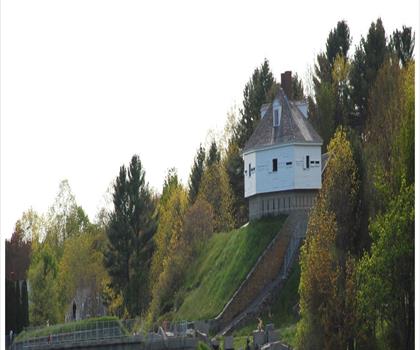
Fort McClary State Historic Site
Maine Beaches
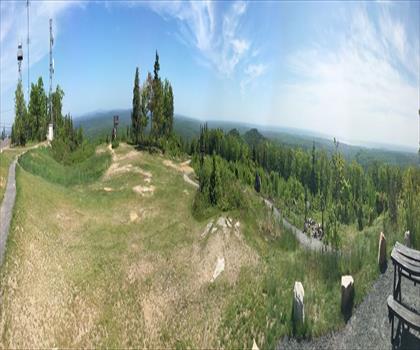
Mt Agamenticus
Maine Beaches
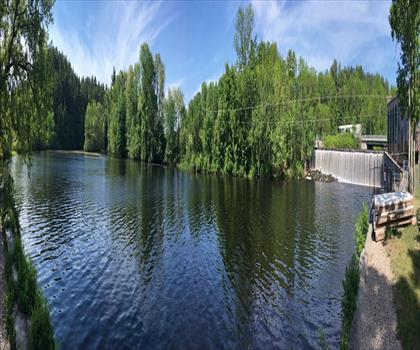
Vaughan Woods State Park
Maine Beaches
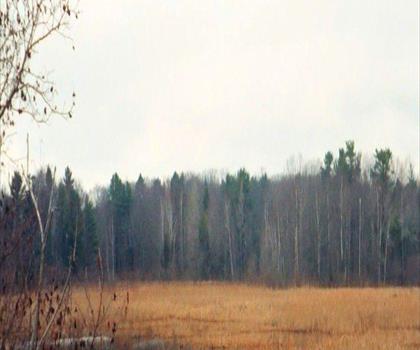
Cutts Island Trail on the Rachel Carson Nature Preserve
Maine Beaches
Mount Agamenticus, Maine
Maine Beaches
Hiking near Portsmouth
0 trails to explore ~35 km away
We work hard to provide the most up-to-date and error-free data possible. If something seems incorrect, let us know! Your contribution helps the whole community.
Hikers' opinions
Be the first to review!
No hiker has shared their experience yet. Share your impressions and help other hikers!