

Ready to explore Hosac Mountain, Maine? Here's everything you need to know before you go!
Discover the trail
Oh no! We don't have any photos 😢
This trail hasn't been captured yet. Be the first to share your adventure!Trail description
Hosac Mountain rises quietly in Maine's Western Mountains region, offering hikers a surprisingly rewarding experience without the crowds found at more famous peaks. This 14.5-kilometer trail delivers 402 meters of elevation gain over terrain that remains accessible to most fitness levels, making it an excellent choice for families, newer hikers, or anyone seeking a solid day hike without technical challenges.
The mountain's appeal lies in its combination of well-maintained trails, diverse forest ecosystems, and genuine solitude. Unlike some of Maine's busier hiking destinations, Hosac Mountain provides the kind of peaceful outdoor experience that lets you actually hear the forest around you. The trail system here has been thoughtfully developed to showcase the area's natural features while maintaining clear navigation throughout the 4 hour and 15 minute journey.
Trail Experience and Terrain
The well-marked trails wind through dense forests that change character as you gain elevation. You'll start among mixed hardwoods and conifers, where the canopy creates a cathedral-like atmosphere even on bright days. The forest floor supports a rich understory that provides habitat for the diverse wildlife you're likely to encounter during your hike.
The trail surface varies from packed earth to occasional rocky sections, but nothing that requires scrambling or technical skills. Root systems from the surrounding trees create natural steps in some areas, while other sections flow smoothly through needle-carpeted forest floors. Stream crossings are minimal and easily managed with standard hiking boots, though they can become more challenging during spring snowmelt or after heavy rains.
As you progress through the moderate elevation gain, the terrain becomes more varied. Rocky outcroppings begin to appear, providing natural rest spots and preview glimpses of the views to come. The trail maintains its easy rating throughout, with no scrambling or technical sections required. Switchbacks handle the steeper portions efficiently, keeping the grade manageable even for hikers carrying heavier packs or hiking with children.
Wildlife and Natural Features
Wildlife sightings are genuinely common here. White-tailed deer frequently browse in the quieter sections of trail, particularly during early morning or late afternoon hikes. Red foxes inhabit the area year-round, though they're more often heard than seen. The bird diversity is particularly impressive, with species ranging from common songbirds to raptors that hunt from the higher elevations. Bring binoculars if you're interested in wildlife observation—the relatively undisturbed habitat makes this mountain a reliable spot for animal encounters.
The forest composition shifts subtly as you climb. Lower elevations feature a mix of maple, birch, and beech trees interspersed with white pine and hemlock. Higher up, the canopy becomes more dominated by conifers, creating different lighting conditions and understory plant communities. This diversity supports various wildlife species and creates visual interest throughout the hike.
Summit Views and Photography
The summit rewards your effort with panoramic views that showcase Maine's Western Mountains in their full glory. These vistas extend across forested valleys and distant peaks, creating the kind of sweeping landscape views that make the climb worthwhile. The summit area provides multiple vantage points, so you can find the perfect spot for photos or simply to sit and take in the scenery.
The photographic opportunities extend beyond just the summit views. The varied forest environments, seasonal wildflowers, and wildlife encounters throughout the hike offer plenty of subjects for nature photography. The lighting can be particularly dramatic during the golden hours, when the forest canopy creates interesting patterns of light and shadow.
Planning Your Hike
Weather conditions can change quickly in Maine's mountains, so checking the forecast before your trip is essential. The forest provides some protection from wind and light precipitation, but exposed sections near the summit can be significantly cooler and windier than the trailhead conditions suggest. Layer your clothing to accommodate these temperature variations.
Sturdy hiking boots provide the best foundation for this trail, offering ankle support on the occasional rocky sections and better traction on potentially muddy or leaf-covered portions of the path. While the trail isn't technically demanding, proper footwear makes the experience much more comfortable and safe, especially when navigating the varied terrain conditions.
Water requirements are straightforward for most hikers—carry enough for your planned duration plus a safety margin. The moderate length and elevation gain mean that most people will be comfortable with adequate hydration for the estimated duration, depending on weather conditions and personal needs. Pack some snacks or a light lunch to enjoy at the summit, where you can fuel up while taking in the views.
Seasonal Considerations
Hosac Mountain offers distinct experiences throughout the hiking season. Spring brings wildflowers and active wildlife as animals emerge from winter. Summer provides the most reliable weather and longest daylight hours, though it's also when you're most likely to encounter other hikers. Fall transforms the forest into a showcase of autumn colors, making it perhaps the most visually spectacular time to visit.
Winter hiking is possible for those with appropriate experience and equipment, though the easy summer rating doesn't necessarily apply to snow and ice conditions. The well-marked trails become more challenging to follow under snow cover, and the elevation gain becomes more significant when dealing with winter conditions.
Environmental Stewardship
Hosac Mountain's pristine condition depends on hikers following Leave No Trace principles consistently. Pack out all trash, stay on designated trails to prevent erosion and habitat damage, and avoid disturbing wildlife you encounter. The relatively undeveloped nature of this area makes it particularly sensitive to human impact.
The diverse ecosystem here supports both common and less common species, making habitat protection especially important. Avoid picking plants or flowers, keep noise levels reasonable to minimize wildlife disturbance, and camp only in designated areas if you're planning an overnight trip in the broader region. This mountain represents the kind of outdoor experience that Maine's Western Mountains region does exceptionally well—accessible adventure in genuinely wild settings, where the forest feels untouched and the views remind you why people seek out these places in the first place.
The Essential Hiking Checklist
Everything you need for your next hike. Bilingual, printable, 1 page.
Get your free hiking checklistRecommended gear for this trail
As an Amazon Associate I earn from qualifying purchases.


Ready to go?
Everything you need to know before you goStarting Point
To access the hiking trails, head to the trailhead located at the end of Hosac Mountain Road. There is a parking area available for hikers.
When?
How much?
As an Amazon Associate I earn from qualifying purchases.
Affiliate links — LGPO may earn a commission at no extra cost to you.
- Hiking shoes Essential
- → Salomon Elixir Tour Mid WP · 203.38 $
- Layered clothing Essential
- Rain jacket Essential
- Trekking poles
- → Black Diamond Trail Ergo Cork · 69.99 $
- Headlamp
- → Petzl Actik Core 625 · 103.95 $
FAQ - Frequently asked questions
Everything you need to knowSimilar hikes nearby
Discover other trails you might enjoy
Long Mountain
Western Mountains
Pleasant Mountain
Western Mountains
Witt's End Trail
Western Mountains
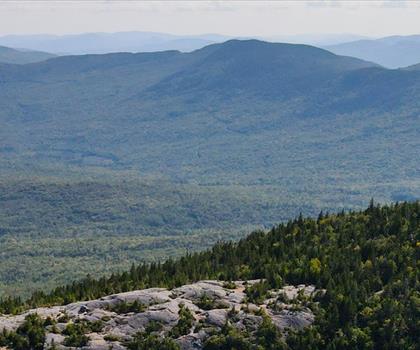
Tumbledown Mountain
Western Mountains

Bear Mountain Inn + Barn Maine
Western Mountains
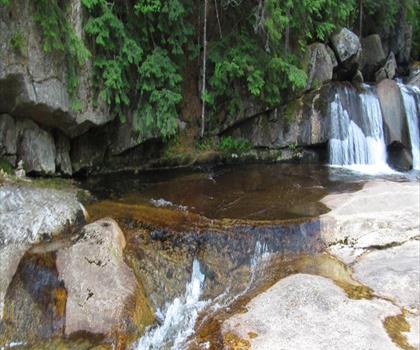
Screw Auger Falls
Western Mountains
Hiking near Portland
0 trails to explore ~43 km away
We work hard to provide the most up-to-date and error-free data possible. If something seems incorrect, let us know! Your contribution helps the whole community.
Hikers' opinions
Be the first to review!
No hiker has shared their experience yet. Share your impressions and help other hikers!