
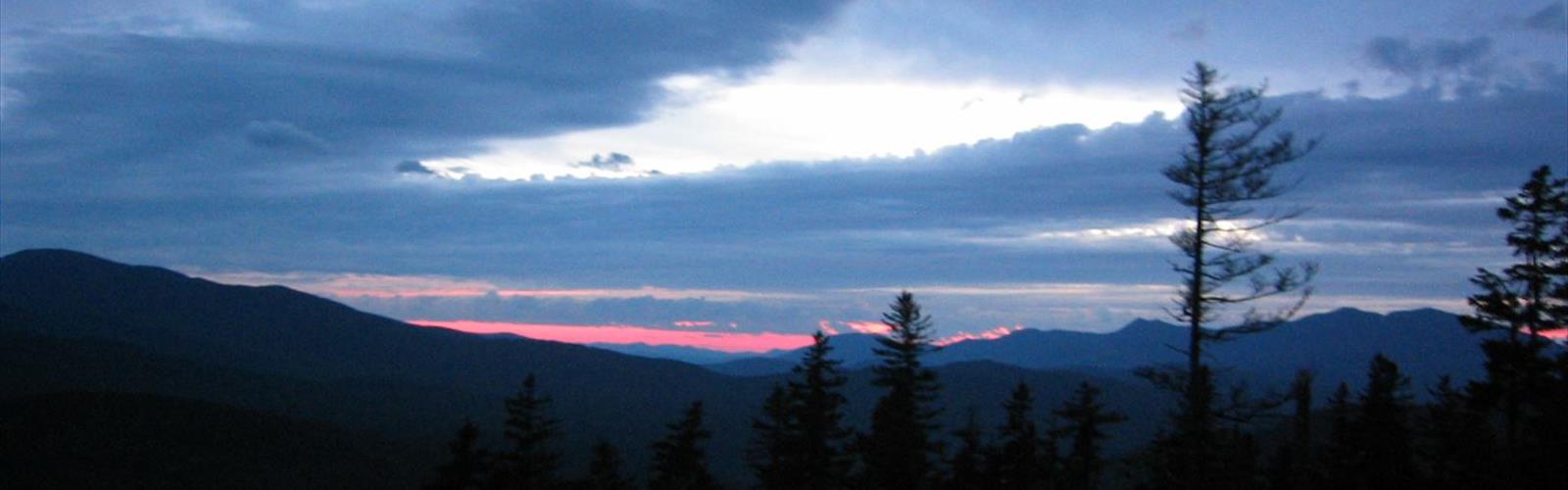

Ready to explore Maine Huts & Trails? Here's everything you need to know before you go!
Discover the trail

Trail description
Maine Huts & Trails represents a revolutionary approach to backcountry exploration in western Maine, combining an extensive 130-kilometer trail network with strategically placed eco-friendly huts that eliminate the need for camping gear. This innovative system winds through some of New England's most pristine wilderness, offering everything from gentle riverside walks to challenging mountain ascents across rolling terrain that showcases the region's diverse landscapes. The moderate difficulty rating makes this network accessible to a wide range of hikers, while the multi-day format allows for deep immersion in Maine's backcountry.
The Trail Network
The trail system meanders through dense hardwood and coniferous forests, following sparkling rivers and crossing rolling hills that define this corner of Maine's wilderness. With 130 kilometers of well-maintained paths, the network accommodates hikers of all skill levels through carefully designed route options. The trails connect four remote huts, allowing for multi-day adventures without the weight of overnight gear while covering significant distance across varied terrain.
Gentle sections perfect for families trace river valleys and traverse relatively flat terrain, while more demanding routes challenge experienced hikers with steeper climbs and longer distances between huts. The 300 meters of elevation gain spread across the entire system means most sections remain manageable, though the cumulative effect provides a satisfying workout over multiple days. Trail surfaces vary from soft forest floor to rocky sections, with wooden bridges spanning waterways and occasional boardwalks protecting sensitive wetland areas.
Clear blazing and regular maintenance ensure reliable navigation throughout the system, crucial given the network's remote nature and extensive mileage. Each segment of trail offers distinct character and scenery. River corridors provide cooling shade and the constant sound of flowing water, while ridge sections open up views across the surrounding mountains and valleys. The diversity means that even multi-day visitors encounter constantly changing terrain and vistas, preventing the monotony that can affect longer trail systems.
Hut-to-Hut Experience
The four eco-friendly huts scattered along the trail network provide comfortable accommodations that transform the typical backpacking experience. These structures offer bunk-style sleeping arrangements, communal dining areas, and basic amenities while maintaining minimal environmental impact through solar power, composting systems, and sustainable building practices. The spacing between huts creates natural daily hiking segments that work well for most fitness levels.
Each hut features a warming area with wood-burning stoves, perfect for drying gear and gathering with fellow hikers after a day on the trails. The rustic atmosphere encourages conversation and trail sharing among guests from diverse backgrounds. Meals prepared from locally sourced ingredients are available, eliminating the need to carry food for multi-day trips and reducing pack weight significantly across the 130-kilometer system.
The communal atmosphere naturally brings together outdoor enthusiasts, creating opportunities for shared stories and trail advice that enhance the overall experience. The huts operate on a reservation system, with stays typically ranging from 3 to 5 days allowing visitors to explore different sections of the trail network. Bedding and basic amenities are provided, though hikers should bring personal items and appropriate outdoor clothing for the moderate terrain and variable weather conditions.
Terrain and Trail Character
The network's 130-kilometer length encompasses remarkable terrain diversity within western Maine's landscape. Dense forest sections create cathedral-like hiking experiences where towering pines and mixed hardwoods filter sunlight onto the trail. These areas often feature soft, needle-covered paths that provide comfortable walking surfaces and natural sound dampening that enhances the wilderness experience.
River valleys form the backbone of many trail segments, offering relatively easy walking alongside rushing streams and occasional swimming holes. These corridors serve as natural highways through the landscape, connecting different elevation zones while providing consistent water sources and wildlife viewing opportunities. The moderate elevation changes mean these valley sections remain accessible while still offering engaging terrain.
Ridge walking and higher elevation sections provide the network's most challenging terrain, though the 300-meter total elevation gain keeps these areas within moderate difficulty range. Open areas along ridges offer expansive views across western Maine's rolling mountains and endless forest canopy. Rocky outcrops and occasional clearings break up the forest hiking, providing natural rest stops and photo opportunities.
Seasonal Variations and Multi-Day Planning
Maine Huts & Trails transforms dramatically with the seasons, offering year-round recreation opportunities that showcase New England's changing landscapes. Summer hiking reveals lush green forests, wildflower meadows, and clear mountain streams perfect for cooling off during longer segments between huts. The dense canopy provides welcome shade during warmer months, while open areas offer expansive views across the western Maine mountains.
Fall brings spectacular foliage displays as hardwood forests explode in reds, oranges, and yellows. This season often provides the clearest mountain views and most comfortable hiking temperatures for covering the longer distances between accommodations, though weather can change quickly and hikers should prepare for variable conditions across the extensive trail system.
Winter operations shift focus to cross-country skiing and snowshoeing, with portions of the trail network groomed for Nordic skiing. The huts remain open, providing warm refuge and hot meals for winter adventurers tackling the challenging task of covering significant distances in snow conditions. Snow typically covers the trails from December through March, creating an entirely different but equally compelling wilderness experience.
Spring hiking begins as snow melts reveal muddy trails and rushing streams swollen with snowmelt. This season requires careful timing and appropriate footwear, but rewards visitors with emerging wildflowers, migrating birds, and the fresh energy of awakening forests. The extended trail system means spring conditions can vary significantly between different sections and elevations.
Planning Your Multi-Day Adventure
The hut-to-hut system requires advance planning and reservations, particularly during peak seasons of summer and fall foliage. Most visitors plan 3 to 5-day trips that allow exploration of different trail sections while experiencing multiple huts. The network's design and 130-kilometer length permit various itineraries depending on hiking ability and time available, from shorter segments to ambitious through-hiking attempts.
Hikers should pack for changing weather conditions and varying terrain, including sturdy hiking boots, rain gear, and layers for temperature fluctuations. While meals are provided at the huts, carrying snacks and water for day hiking remains essential given the distances involved. The moderate difficulty rating and 300-meter elevation gain make the system accessible to hikers with reasonable fitness levels, though the multi-day nature requires endurance planning.
Access points connect to the trail system from several locations, with parking available at trailheads. The remote nature of the huts means cell phone coverage remains spotty throughout much of the network, adding to the wilderness experience while requiring hikers to be self-sufficient and prepared for changing conditions across the extensive trail system.
The Essential Hiking Checklist
Everything you need for your next hike. Bilingual, printable, 1 page.
Get your free hiking checklistRecommended gear for this trail
As an Amazon Associate I earn from qualifying purchases.


Ready to go?
Everything you need to know before you goStarting Point
The start of the trails at the maine huts & trails can be accessed from either the Stratton or Carrabassett Valley areas.
When?
How much?
As an Amazon Associate I earn from qualifying purchases.
Affiliate links — LGPO may earn a commission at no extra cost to you.
- Hiking shoes Essential
- → Salomon Elixir Tour Mid WP · 203.38 $
- Layered clothing Essential
- Rain jacket Essential
- Trekking poles
- → Black Diamond Trail Ergo Cork · 69.99 $
- Headlamp
- → Petzl Actik Core 625 · 103.95 $
FAQ - Frequently asked questions
Everything you need to knowSimilar hikes nearby
Discover other trails you might enjoy
Long Mountain
Western Mountains

Pleasant Mountain
Western Mountains
Witt's End Trail
Western Mountains
Tumbledown Mountain
Western Mountains

Bear Mountain Inn + Barn Maine
Western Mountains
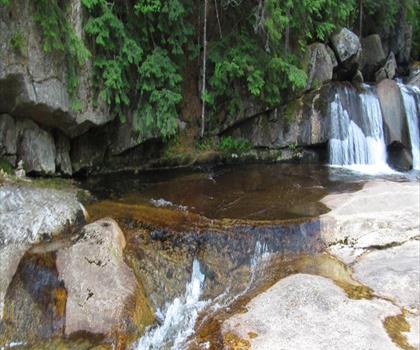
Screw Auger Falls
Western Mountains
Hiking near Bangor
0 trails to explore ~111 km away
We work hard to provide the most up-to-date and error-free data possible. If something seems incorrect, let us know! Your contribution helps the whole community.
Hikers' opinions
Be the first to review!
No hiker has shared their experience yet. Share your impressions and help other hikers!