
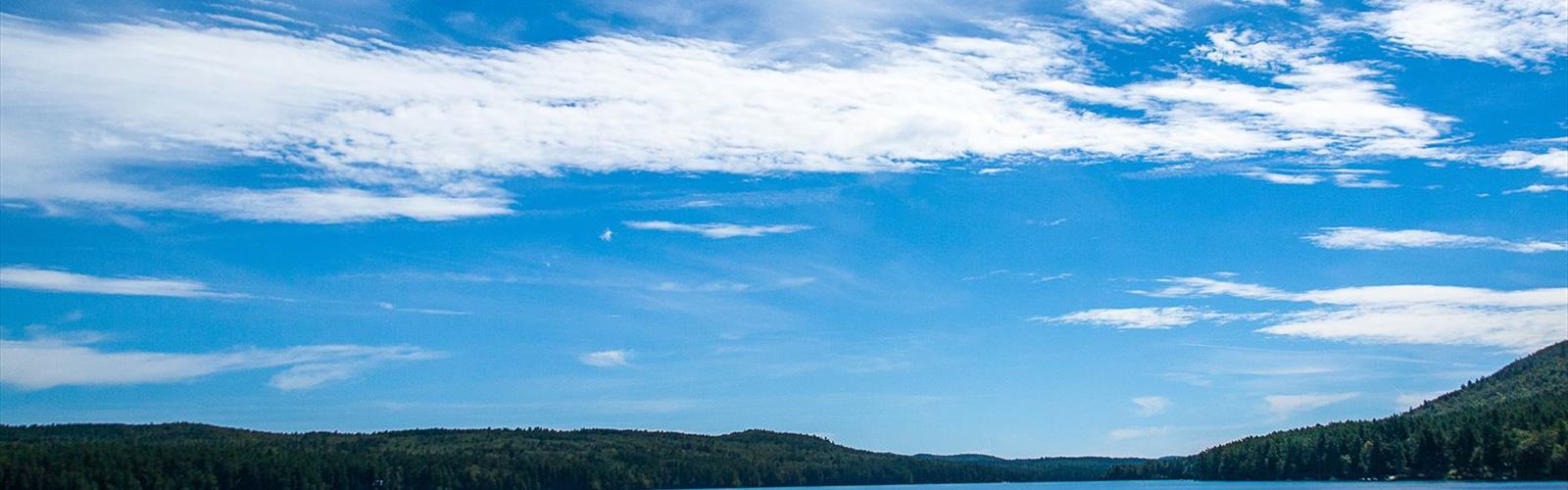

Ready to explore Moose Pond? Here's everything you need to know before you go!
Discover the trail
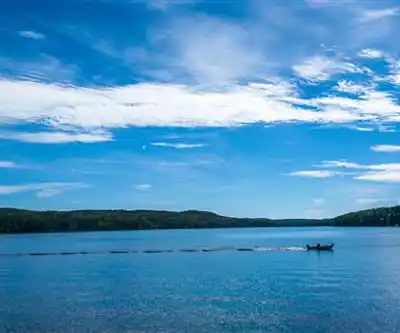
Photos: Paul VanDerWerf from Brunswick, Maine, USA — CC BY 2.0 (Wikimedia Commons)
Trail description
Moose Pond sprawls across 1,694 acres in Bridgton, creating one of the Western Mountains region's most versatile outdoor destinations. This substantial body of water sits surrounded by dense forests and gentle hills that roll away toward the horizon, offering both water-based recreation and excellent hiking opportunities within easy reach of each other.
The pond's clear waters and varied shoreline create distinct experiences depending on where you choose to explore. Some sections feature sandy beaches perfect for launching watercraft, while other areas present rocky outcrops and marshy inlets where wildlife congregates. The surrounding forest consists primarily of mixed hardwoods and conifers, creating a classic Maine woodland environment that changes dramatically with the seasons.
The Trail Experience
The 3.2-kilometer trail around Moose Pond offers an easy hiking experience that takes about an hour and fifteen minutes to complete. With only 100 meters of elevation gain, this route welcomes hikers of all fitness levels while still providing enough variety to keep things interesting. The gentle terrain makes it particularly appealing for families or anyone looking to enjoy Maine's natural beauty without tackling demanding climbs.
As you follow the trail, you'll wind through mixed forest where towering white pines share space with maples, birches, and oaks. The path alternates between soft forest floor covered in pine needles and occasional rocky sections that provide natural stepping stones. Stream crossings add variety to the hike, with small wooden bridges or well-placed rocks helping you navigate these water features.
The trail's proximity to water means you're never far from scenic views of the pond. Several vantage points along the route offer perfect spots to pause and take in the expansive water views, especially where the path emerges from dense forest onto small clearings or rocky outcrops. These openings provide excellent photo opportunities and chances to spot wildlife both on land and on the water.
Terrain and Natural Features
The landscape around Moose Pond represents classic Maine lake country, where ancient glacial activity carved out the current topography. The pond itself sits in a natural depression surrounded by rolling hills that rise gradually rather than dramatically. This gentle terrain makes the area particularly appealing for outdoor recreation, as most activities remain accessible without requiring extreme physical demands.
Forest composition varies throughout the area, with wetland edges supporting different plant communities than the drier upland zones. Marshy areas near stream inlets provide habitat for waterfowl and wading birds, while the surrounding hills support typical northern hardwood forest species. This diversity creates multiple micro-environments within a relatively compact area.
Rock formations appear sporadically throughout the region, offering interesting geological features without dominating the landscape. Some of these outcrops provide excellent viewpoints over the pond, while others create small caves and overhangs that add character to hiking routes. The varied bottom structure of the pond itself creates ideal conditions for diverse aquatic life.
Wildlife and Natural Encounters
Wildlife encounters add an element of excitement to any hike in this area. White-tailed deer frequently browse along trail edges, particularly during early morning and evening hours. True to the pond's name, moose do inhabit these woods and occasionally make appearances, especially near wetland areas and during dawn or dusk. Black bears also live in the region, though sightings remain relatively uncommon.
Birdlife thrives in the diverse habitats around Moose Pond. Loons often call across the water during summer months, while great blue herons stalk the shallow areas hunting for fish. The mixed forest supports woodpeckers, nuthatches, and various songbirds that create a constant soundtrack during warmer months. Waterfowl use the pond as both a nesting area and migration stopover, making spring and fall particularly rewarding for bird enthusiasts.
Water Activities and Access
Moose Pond's size and water quality make it exceptional for paddle sports. Kayakers and canoeists can explore numerous coves and inlets that remain hidden from shore-based visitors. The pond's irregular shape creates interesting paddling routes, with some sections opening into broad expanses while others narrow into intimate channels bordered by overhanging trees.
Paddleboarding has gained popularity here due to the generally calm conditions and scenic surroundings. The pond's protected location means wind rarely creates challenging conditions, making it suitable for beginners while still offering enough variety to keep experienced paddlers engaged.
Fishing enthusiasts will find both warm-water and cold-water species thriving in Moose Pond's diverse habitat. Bass fishing proves consistently productive, particularly around submerged structure and weed beds. Trout fishing offers a different challenge, with these fish typically found in deeper, cooler sections of the pond. The varied bottom structure and abundant forage create ideal conditions for both species to flourish.
Seasonal Considerations
Seasonal conditions dramatically affect the Moose Pond experience. Summer brings warm water temperatures ideal for swimming and paddling, along with full foliage that provides excellent shade on hiking trails. The easy difficulty level makes this trail particularly appealing during hot weather, as the moderate distance and minimal elevation gain prevent overexertion.
Fall transforms the surrounding forests into spectacular displays of color, making this one of the most photogenic times to visit. The hardwood trees create a brilliant canopy of reds, oranges, and yellows that reflect beautifully in the pond's still waters. Winter activities shift toward snowshoeing and cross-country skiing, while spring offers excellent wildlife viewing as animals become more active after the long Maine winter.
Planning Your Visit
The area around Moose Pond provides several access points for different activities. Water access varies in quality, with some locations offering formal boat launches while others require carrying watercraft over shorter distances to reach the water. Parking availability differs by location, so arriving early during peak season helps ensure convenient access.
The combination of substantial water recreation opportunities and quality hiking trails makes Moose Pond particularly valuable for groups with diverse interests, as different family members or friends can pursue their preferred activities while staying in the same general area. The easy trail difficulty ensures that most visitors can enjoy the hiking component regardless of their experience level.
The Essential Hiking Checklist
Everything you need for your next hike. Bilingual, printable, 1 page.
Get your free hiking checklistRecommended gear for this trail
As an Amazon Associate I earn from qualifying purchases.


Ready to go?
Everything you need to know before you goStarting Point
To access the hiking trails, you can start at the trailhead located at 17 moose pond Road, Bridgton, ME 04009. There are no additional trailheads for this location.
When?
How much?
As an Amazon Associate I earn from qualifying purchases.
Affiliate links — LGPO may earn a commission at no extra cost to you.
- Hiking shoes Essential
- → Salomon Elixir Tour Mid WP · 203.38 $
- Layered clothing Essential
- Rain jacket Essential
- Trekking poles
- → Black Diamond Trail Ergo Cork · 69.99 $
- Headlamp
- → Petzl Actik Core 625 · 103.95 $
FAQ - Frequently asked questions
Everything you need to knowSimilar hikes nearby
Discover other trails you might enjoy
Long Mountain
Western Mountains
Pleasant Mountain
Western Mountains
Witt's End Trail
Western Mountains
Tumbledown Mountain
Western Mountains

Bear Mountain Inn + Barn Maine
Western Mountains
Screw Auger Falls
Western Mountains
Hiking near North Conway
0 trails to explore ~26 km away
We work hard to provide the most up-to-date and error-free data possible. If something seems incorrect, let us know! Your contribution helps the whole community.
Hikers' opinions
Be the first to review!
No hiker has shared their experience yet. Share your impressions and help other hikers!