
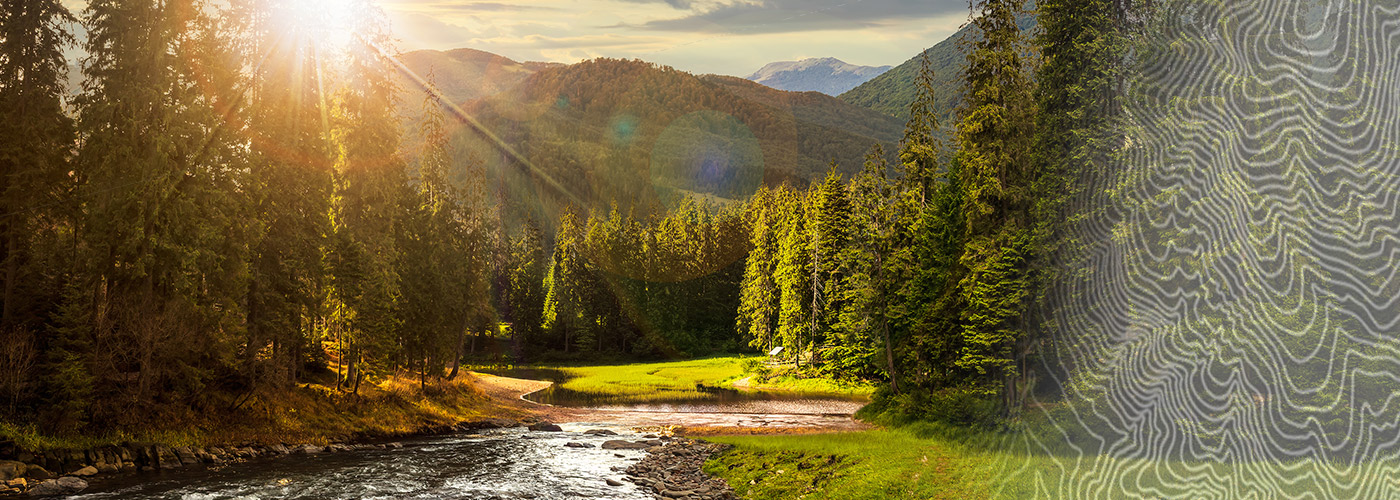

Ready to explore Noyes Mountain, Maine? Here's everything you need to know before you go!
Discover the trail
Oh no! We don't have any photos 😢
This trail hasn't been captured yet. Be the first to share your adventure!Trail description
Noyes Mountain rises 1,500 feet above the Maine landscape, offering hikers a satisfying climb through diverse terrain without the commitment of a full-day expedition. Located in Maine's Western Mountains region, this moderate hike delivers panoramic views, historical intrigue, and well-maintained trails that make it accessible to both newcomers and experienced hikers looking for a reliable adventure.
The mountain's appeal lies in its balanced combination of natural beauty and manageable challenge. Unlike some of Maine's more demanding peaks, Noyes Mountain provides a rewarding summit experience in just over two hours, making it perfect for morning adventures or afternoon escapes. The elevation gain unfolds gradually, allowing hikers to settle into a comfortable rhythm while taking in the changing scenery.
Trail Experience and Terrain
The main trail up Noyes Mountain follows a well-marked and maintained route that winds through varied forest ecosystems. The path begins in mixed hardwood forest, where maple, birch, and oak create a canopy that filters sunlight into dappled patterns on the forest floor. As you gain elevation, the forest composition shifts toward conifers, with spruce and fir trees becoming more prominent.
The trail surface varies from packed earth to occasional rocky sections, providing good footing throughout most of the ascent. Early sections meander through gentle slopes, while the middle portion presents steeper grades that will get your heart rate up without becoming overly strenuous. The final approach to the summit involves some light scrambling over granite outcroppings, adding a touch of adventure to the climb.
What sets this hike apart is the consistent presence of natural sounds—flowing water from seasonal streams, wind through the trees, and the calls of various bird species create an immersive outdoor experience. The forest feels alive and dynamic, changing character with the seasons and weather conditions. The trail maintains a steady but manageable grade that allows you to appreciate these details without being completely focused on the physical challenge.
Summit Views and Scenic Highlights
Multiple scenic overlooks punctuate the ascent, each offering different perspectives on Maine's Western Mountains landscape. The first significant viewpoint appears about halfway up the trail, providing westward views across rolling forested hills. This spot serves as an excellent rest point and photo opportunity, especially during fall foliage season when the surrounding hardwood forests explode in brilliant reds, oranges, and yellows.
The summit delivers the most impressive panoramic views, stretching for miles across Maine's picturesque terrain on clear days. From this vantage point, you can identify other peaks in the Western Mountains region and trace the valleys that connect these ancient hills. The view encompasses both wild forestland and distant glimpses of rural Maine communities, creating a sense of the region's blend of wilderness and human settlement.
Weather conditions significantly impact visibility, so checking forecasts before your visit helps set expectations. Morning hikes often benefit from clearer air and better photographic light, while afternoon ascents may encounter more atmospheric haze but can offer dramatic lighting as the day progresses.
Wildlife and Forest Ecosystems
Noyes Mountain supports diverse wildlife populations that hikers frequently encounter along the trail. White-tailed deer are common sightings, particularly during early morning or late afternoon hours when they're most active. The varied forest habitats attract numerous bird species, from common songbirds like chickadees and nuthatches to occasional sightings of larger species such as pileated woodpeckers and various raptors.
The diverse plant life changes dramatically with the seasons, offering different experiences throughout the year. Spring brings wildflowers and fresh green growth, summer provides full canopy cover and lush understory vegetation, fall delivers spectacular foliage displays, and winter transforms the landscape into a stark but beautiful snow-covered environment suitable for snowshoeing.
Seasonal streams and small wetland areas along the trail support additional wildlife and plant communities. These water features are most active during spring snowmelt and after significant rainfall, adding the pleasant sound of flowing water to your hiking experience. The transition zones between different forest types create particularly rich habitats where you're likely to spot wildlife.
Historical Mining Heritage
The trail passes several remnants of old mining operations that provide fascinating glimpses into the area's industrial past. These historical sites include stone foundations, old equipment fragments, and modified landscape features that tell the story of 19th and early 20th-century resource extraction activities. The mining remnants are scattered along the route, creating natural stopping points where hikers can examine these artifacts and imagine the area's former life as an active industrial site.
These historical elements add an educational dimension to the hike, particularly for families with curious children or anyone interested in Maine's economic history. The contrast between the current peaceful forest setting and evidence of past industrial activity highlights how nature reclaims disturbed landscapes over time. Some of the stone work shows impressive craftsmanship that has endured decades of Maine weather.
Planning and Preparation
Weather conditions in Maine's Western Mountains can change rapidly, making preparation essential for a safe and enjoyable experience. Sturdy hiking boots provide necessary ankle support and traction on varied terrain, while layered clothing allows you to adjust to changing temperatures as you gain elevation and as weather conditions shift.
Water requirements depend on season and individual needs, but carrying at least one liter per person ensures adequate hydration for the adventure. Energy snacks help maintain stamina during the ascent and provide fuel for the return journey. A camera captures the scenic overlooks and historical sites, while a basic first aid kit addresses minor trail injuries.
The trail is suitable for group outings and solo adventures alike, though hiking with others adds safety benefits and shared enjoyment of the experience. The moderate difficulty level accommodates hikers with basic fitness levels while still providing enough challenge to feel accomplished at the summit.
The Essential Hiking Checklist
Everything you need for your next hike. Bilingual, printable, 1 page.
Get your free hiking checklistRecommended gear for this trail
As an Amazon Associate I earn from qualifying purchases.


Ready to go?
Everything you need to know before you goStarting Point
To access the hiking trails, head to the trailhead located at Richardson Hollow Road. There is a parking area available for hikers.
When?
How much?
As an Amazon Associate I earn from qualifying purchases.
Affiliate links — LGPO may earn a commission at no extra cost to you.
- Hiking shoes Essential
- → Salomon Elixir Tour Mid WP · 203.38 $
- Layered clothing Essential
- Rain jacket Essential
- Trekking poles
- → Black Diamond Trail Ergo Cork · 69.99 $
- Headlamp
- → Petzl Actik Core 625 · 103.95 $
FAQ - Frequently asked questions
Everything you need to knowSimilar hikes nearby
Discover other trails you might enjoy
Long Mountain
Western Mountains
Pleasant Mountain
Western Mountains
Witt's End Trail
Western Mountains
Tumbledown Mountain
Western Mountains

Bear Mountain Inn + Barn Maine
Western Mountains
Screw Auger Falls
Western Mountains
Hiking near Sydney
22 trails to explore ~7761 km away
We work hard to provide the most up-to-date and error-free data possible. If something seems incorrect, let us know! Your contribution helps the whole community.
Hikers' opinions
Be the first to review!
No hiker has shared their experience yet. Share your impressions and help other hikers!