

Ready to explore Old Speck Mountain? Here's everything you need to know before you go!
Discover the trail
Trail description
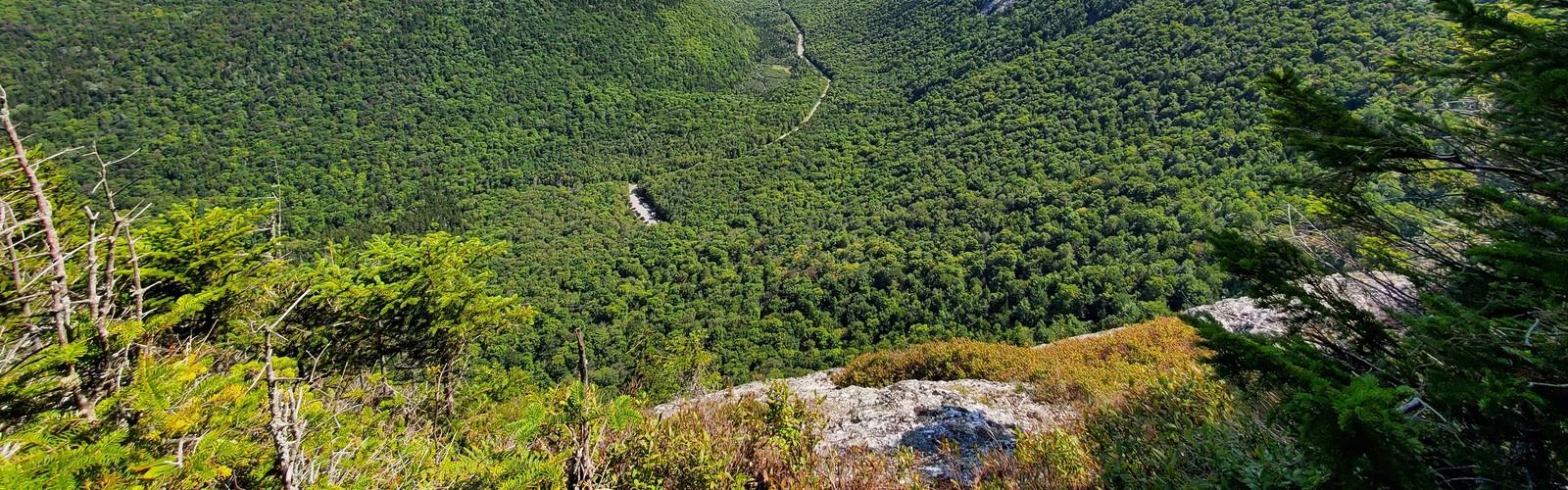
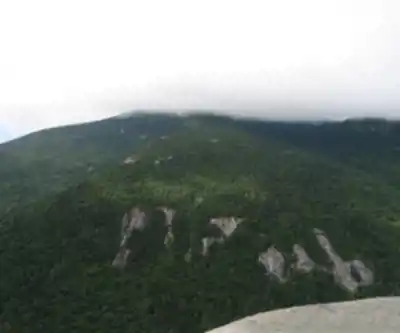
Old Speck Mountain stands at 4,170 feet, making it Maine's fourth highest peak and one of the most compelling destinations in the Mahoosuc Range. It's a genuine mountain — the kind that asks something of you before it gives anything back — and the payoff at the top is well worth the effort.
The mountain sits in a wild corner of western Maine where the terrain shifts from rolling forested hills into serious alpine country. It doesn't feel like a day trip destination so much as a proper backcountry experience, even if you're back at the trailhead by late afternoon. The Mahoosuc Range has a reputation among experienced hikers for being rugged and uncompromising, and Old Speck fits that character perfectly. It's also part of the Appalachian Trail corridor, which means the trail infrastructure is solid and the route is well-maintained year-round by dedicated volunteer crews.
The Route
The standard out-and-back via the Old Speck Trail covers 12.1 kilometers with 853 meters of elevation gain, rated Hard with an estimated time of 5 hours 30 minutes. That's a reasonable estimate for a fit hiker moving at a steady pace, but plan for more time if you want to linger at the summit — and you will want to linger.
The trail starts in mixed hardwood forest, the kind of classic New England woodland where maples, birches, and beeches dominate. In fall, this lower section is genuinely stunning. As you gain elevation, the hardwoods give way to spruce and fir, the air cools noticeably, and the trail gets rockier underfoot. The white blazes of the Appalachian Trail mark the route clearly throughout.
The middle section involves steady climbing with some rooty, rocky terrain that keeps you paying attention. There are stream crossings and sections where large boulders create natural steps — manageable in dry conditions, but slippery when wet. Waterproof boots with solid ankle support are a smart call here. The upper section is where the trail earns its Hard rating: steeper pitches, more exposed rock, and a sustained push to the summit that will have your legs feeling it by the time you arrive.
The Summit
What makes Old Speck's summit stand out is the observation tower. The summit itself is forested, which would otherwise limit your views significantly, but the tower lifts you above the treeline and opens up a full 360-degree panorama. It's one of those features that genuinely transforms the experience.
On a clear day, you can see the Presidential Range of New Hampshire's White Mountains to the west, with Mount Washington and its neighbors forming a dramatic ridgeline on the horizon. To the east, the rolling forests and mountains of Maine stretch out in every direction. You can also trace the Mahoosuc ridgeline from up here, getting a real sense of the terrain that connects Old Speck to the neighboring peaks along the AT.
Wildlife and Forest
The trail passes through several distinct forest zones, each with its own character. Moose are a real possibility in the lower elevations, particularly near wet areas and forest clearings — give them space and enjoy the encounter quietly. The bird life along the trail is active and varied, with woodpeckers, warblers, and ravens all making appearances depending on the season and elevation. Hawks are commonly spotted riding thermals around the upper mountain.
Wildflowers appear through the hiking season, with trilliums and violets in spring and berry-producing shrubs through summer that attract wildlife and add color to the forest understory.
Planning Your Visit
The best hiking window runs from June through October. Snow can persist at higher elevations into May, and early season conditions often mean muddy trails as the ground thaws. Summer offers reliable weather and long daylight hours. Fall brings spectacular foliage, especially in the lower hardwood sections, but also shorter days — start early if you're hiking in September or October.
Winter ascents are possible but require advanced skills, proper mountaineering equipment, and solid experience with ice and deep snow conditions. This is not a casual winter outing.
The trailhead has parking, but it fills up fast on peak weekends during summer and fall foliage season. An early start solves two problems at once: you get a spot, and you reach the summit before afternoon clouds roll in and cut into your views.
- Distance: 12.1 km round trip
- Elevation gain: 853 m
- Difficulty: Hard
- Estimated time: 5 hours 30 minutes
- Summit elevation: 4,170 feet
- Trail markings: White blazes (Appalachian Trail)
- Best season: June to October
Wear layers, bring more water than you think you need, and don't skip the summit tower — it's the whole point.
The Essential Hiking Checklist
Everything you need for your next hike. Bilingual, printable, 1 page.
Get your free hiking checklistRecommended gear for this trail
As an Amazon Associate I earn from qualifying purchases.


Ready to go?
Everything you need to know before you goStarting Point
The start of the trails at the old speck mountain can be accessed from the Grafton Notch State Park.
When?
How much?
As an Amazon Associate I earn from qualifying purchases.
Affiliate links — LGPO may earn a commission at no extra cost to you.
- Hiking shoes Essential
- → Salomon Elixir Tour Mid WP · 203.38 $
- Layered clothing Essential
- Rain jacket Essential
- Trekking poles
- → Black Diamond Trail Ergo Cork · 69.99 $
- Headlamp
- → Petzl Actik Core 625 · 103.95 $
FAQ - Frequently asked questions
Everything you need to knowSimilar hikes nearby
Discover other trails you might enjoy
Long Mountain
Western Mountains
Pleasant Mountain
Western Mountains
Witt's End Trail
Western Mountains
Tumbledown Mountain
Western Mountains

Bear Mountain Inn + Barn Maine
Western Mountains
Screw Auger Falls
Western Mountains
Hiking near North Conway
0 trails to explore ~59 km away
We work hard to provide the most up-to-date and error-free data possible. If something seems incorrect, let us know! Your contribution helps the whole community.
Hikers' opinions
Be the first to review!
No hiker has shared their experience yet. Share your impressions and help other hikers!