
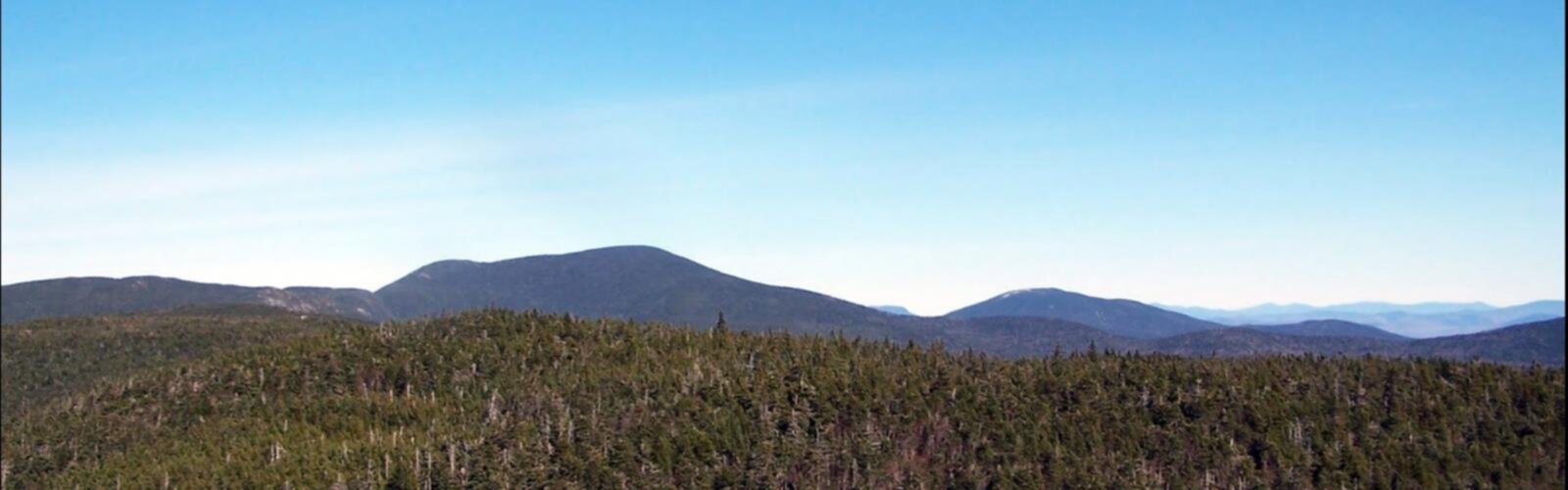

Ready to explore Spaulding Mountain, Maine? Here's everything you need to know before you go!
Discover the trail
Oh no! We don't have any photos 😢
This trail hasn't been captured yet. Be the first to share your adventure!Trail description
Spaulding Mountain rises to 4,010 feet in Maine's Western Mountains, offering hikers a substantial challenge along a section of the famous Appalachian Trail. This peak delivers the kind of rugged mountain experience that defines Maine's wilderness character, with dense forests, rocky terrain, and expansive summit views that stretch into New Hampshire on clear days.
The Trail Experience
The 14.65-kilometer hike to Spaulding Mountain's summit gains 1,222 meters of elevation over moderately difficult terrain that will test seasoned hikers without overwhelming them. Plan for 6 to 8 hours to complete the round trip, though your actual time will depend on conditions, rest stops, and how long you spend soaking in the views.
The trail follows the white blazes of the Appalachian Trail, which means you'll be walking the same path that thru-hikers traverse on their epic journeys from Georgia to Maine. This connection adds a special dimension to your hike—you're not just climbing a mountain, you're experiencing a small section of one of America's most iconic long-distance trails.
Your ascent begins in thick Maine forests where the canopy filters sunlight into dappled patterns on the forest floor. The initial miles wind through mixed hardwood and coniferous woods, with the steady sound of your footsteps on packed earth and occasional rocky sections. As you gain elevation, the forest composition shifts, and you'll notice the trees becoming more stunted and hardy as they adapt to the harsher conditions higher up the mountain.
Terrain and Challenges
The moderate difficulty rating reflects the sustained climb and varied terrain you'll encounter. While there are no technical rock scrambles or dangerous exposures, the trail demands steady effort and good fitness. Rocky sections become more frequent as you approach the summit, and the footing requires attention, especially when wet.
The elevation gain is distributed fairly evenly throughout the hike, avoiding the punishing steep pitches that characterize some New England peaks. This makes Spaulding Mountain an excellent choice for hikers looking to build endurance for more challenging objectives or those who prefer a steady, sustainable pace over grueling climbs.
Weather conditions can change rapidly in this region, transforming a pleasant morning hike into a challenging afternoon adventure. The exposed sections near the summit offer little protection from wind and precipitation, making proper preparation essential for a safe and enjoyable experience.
Wildlife and Natural Features
Keep your eyes peeled for the diverse wildlife that calls these forests home. The mixed habitat supports various species, from small songbirds flitting through the understory to larger mammals that leave tracks in muddy sections of trail. The vibrant flora changes with the seasons, offering spring wildflowers, lush summer greenery, spectacular fall foliage, and the stark beauty of winter landscapes.
The forest ecosystem you'll walk through represents classic Maine wilderness—a complex community of plants and animals adapted to the region's challenging climate and terrain. This biodiversity adds richness to your hiking experience, providing opportunities for wildlife observation and nature photography throughout your journey.
Summit Rewards
Reaching Spaulding Mountain's summit delivers the payoff that makes the challenging climb worthwhile. The panoramic views encompass the surrounding peaks and valleys of Maine's Western Mountains, creating a landscape that showcases the region's wild character. On exceptionally clear days, Mount Washington in New Hampshire becomes visible, connecting you visually to the broader White Mountain region.
The summit provides an ideal spot to rest, refuel, and appreciate the accomplishment of reaching 4,010 feet under your own power. The expansive views offer perspective on the terrain you've just climbed and the wilderness that extends in all directions. This vantage point helps you understand your place within the larger Appalachian Mountain system.
Preparation and Gear
Proper preparation makes the difference between a memorable adventure and a difficult ordeal. Pack plenty of water—more than you think you'll need—since the sustained climb and mountain air will increase your fluid requirements. Bring substantial snacks or a lunch to maintain your energy throughout the 6 to 8-hour journey.
Layered clothing is essential for adapting to changing conditions as you gain elevation and as weather patterns shift. Start with moisture-wicking base layers, add insulating mid-layers, and carry a waterproof shell for protection against wind and precipitation. The temperature difference between the trailhead and summit can be significant, especially during shoulder seasons.
Sturdy hiking boots with good ankle support will help you navigate the rocky sections safely and comfortably. Trekking poles can be valuable for the sustained climbs and descents, reducing stress on your knees and improving stability on uneven terrain.
Environmental Responsibility
Following Leave No Trace principles ensures that Spaulding Mountain remains pristine for future generations of hikers. Pack out all trash, stay on designated trails to prevent erosion, and avoid disturbing wildlife or removing natural objects. The fragile mountain ecosystem depends on visitors who understand their responsibility to minimize their impact.
This approach to outdoor recreation helps preserve the wilderness character that makes places like Spaulding Mountain special. Your commitment to responsible hiking practices contributes to the long-term protection of these valuable natural resources and ensures that others can enjoy the same unspoiled experience you're seeking.
The Essential Hiking Checklist
Everything you need for your next hike. Bilingual, printable, 1 page.
Get your free hiking checklistRecommended gear for this trail
As an Amazon Associate I earn from qualifying purchases.


Ready to go?
Everything you need to know before you goStarting Point
To access the hiking trails, you can start from the trailhead located at the end of Caribou Valley Road (also known as Caribou Pond Road). This road is off Route 27 near Carrabassett Valley. The parking area is unpaved and may require a high-clearance vehicle, especially in wet conditions. Another option is to begin from the Appalachian Trail crossing on Route 4 near Rangeley, where there is a designated parking area for hikers.
When?
How much?
As an Amazon Associate I earn from qualifying purchases.
Affiliate links — LGPO may earn a commission at no extra cost to you.
- Hiking shoes Essential
- → Salomon Elixir Tour Mid WP · 203.38 $
- Layered clothing Essential
- Rain jacket Essential
- Trekking poles
- → Black Diamond Trail Ergo Cork · 69.99 $
- Headlamp
- → Petzl Actik Core 625 · 103.95 $
FAQ - Frequently asked questions
Everything you need to knowSimilar hikes nearby
Discover other trails you might enjoy
Long Mountain
Western Mountains

Pleasant Mountain
Western Mountains
Witt's End Trail
Western Mountains
Tumbledown Mountain
Western Mountains

Bear Mountain Inn + Barn Maine
Western Mountains
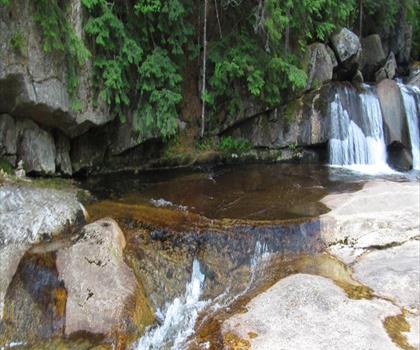
Screw Auger Falls
Western Mountains
Hiking near North Conway
0 trails to explore ~123 km away
We work hard to provide the most up-to-date and error-free data possible. If something seems incorrect, let us know! Your contribution helps the whole community.
Hikers' opinions
Be the first to review!
No hiker has shared their experience yet. Share your impressions and help other hikers!