
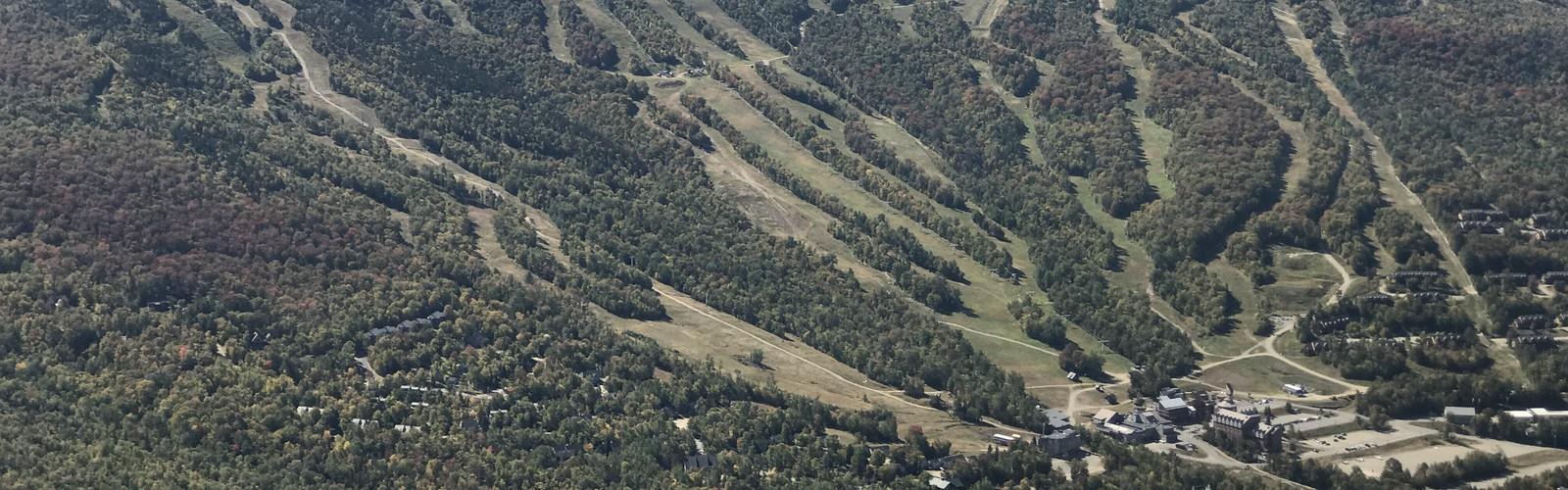

Ready to explore Sugarloaf, Maine? Here's everything you need to know before you go!
Discover the trail
Oh no! We don't have any photos 😢
This trail hasn't been captured yet. Be the first to share your adventure!Trail description
Sugarloaf Mountain rises 4,237 feet above the Carrabassett Valley in western Maine, making it the state's third highest peak. It's a serious mountain with a well-earned reputation — one that draws everyone from families looking for a forest walk to experienced hikers ready to earn those summit views. The mountain sits at the center of Maine's Western Mountains region, where the terrain gets genuinely rugged and the crowds thin out compared to more accessible peaks further south.
The Summit Climb
The main event at Sugarloaf is the climb to the top, and it's a rewarding one. The route covers 8.8 km round-trip with 451 meters of elevation gain, and most hikers budget around 3 hours 30 minutes to complete it. That's a solid half-day outing — not a casual stroll, but well within reach for anyone with reasonable fitness and a pair of proper hiking boots.
The trail starts in dense mixed forest — spruce, fir, and birch packed in tight — and the early going is relatively forgiving. As you gain elevation, the character of the hike shifts. The upper sections involve steeper terrain, exposed granite slabs, and some route-finding across open rock faces where the path isn't always obvious. Wet conditions make those granite surfaces genuinely slippery, so this isn't a trail to underestimate after rain.
The summit itself is broad and open, which is rare enough to appreciate. You get a full 360-degree panorama across the Western Mountains — ridgelines rolling north toward Rangeley Lakes, forested waves stretching south and west as far as you can see, and on a clear day, Mount Washington's profile visible roughly 60 miles to the east. There's plenty of room to spread out, eat lunch, and take your time before heading back down.
Easier Options on the Mountain
Not every visit to Sugarloaf needs to involve a summit push. The Narrow Gauge Pathway offers a completely different experience — a gentle trail that follows an old railroad grade through mature mixed woodland. It crosses several small streams on wooden bridges and stays flat enough to be genuinely relaxing. Families with young kids, anyone recovering from an injury, or hikers who just want a quiet walk in the woods will find it worthwhile.
The forest along this route is worth paying attention to. White-tailed deer and red squirrels are common, and the birdlife is active, especially in the morning. In late summer, wild blueberries show up along the sunnier stretches of the trail. The whole pathway can be done comfortably in under two hours.
Appalachian Trail Access
The Appalachian Trail doesn't cross Sugarloaf's summit directly, but it runs through this section of western Maine close enough to be relevant for hikers looking to extend their time in the area. Day hike segments are accessible from the region, and the AT corridor here passes through some of the most remote mountain country in the state — a very different feel from the more heavily trafficked sections further south.
Seasons and Conditions
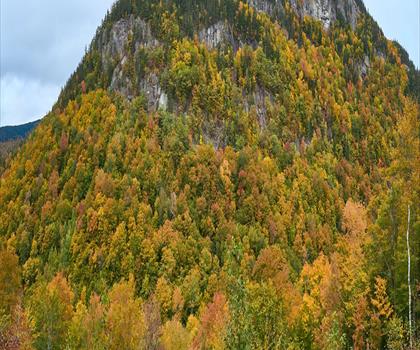
Summer is the most straightforward time to hike here. The weather is generally reliable, daylight hours are long, and the trails are in good shape. Fall foliage peaks in late September to early October and the views from the summit during that window are exceptional — but expect company. This is one of the busiest periods on the mountain, and parking fills up early.
Spring hiking is possible but comes with trade-offs: muddy trails, bugs, and unpredictable conditions on the upper mountain. Winter ascents are a different undertaking entirely and require mountaineering experience along with appropriate cold-weather gear.
Regardless of season, weather at elevation moves fast. The summit typically runs 10 to 15 degrees cooler than the base, and afternoon thunderstorms can build quickly during summer. Bring layers even when it's warm at the trailhead.
Practical Information
The trailhead for the summit climb is accessible from the Sugarloaf resort base area, where you'll find parking and restroom facilities. Arriving early during peak season — summer weekends and fall foliage — is the straightforward way to avoid parking headaches and get on trail before things get busy.
There are no reliable water sources on the summit trail, so carry everything you'll need for the day. Hiking poles are useful on the steeper sections and especially helpful on the descent over rocky terrain. The base area has water available before you head out.
The Carrabassett Valley around Sugarloaf has a range of lodging options, from the main resort hotel to smaller inns and vacation rentals spread through the valley. Local restaurants cover the range from casual post-hike meals to more substantial dining featuring Maine-sourced ingredients.
Beyond hiking, the mountain operates mountain biking trails in summer — from mellow forest paths to technical downhill runs — as well as zip-line tours over the valley. In winter, Sugarloaf is one of Maine's most significant ski destinations, with challenging terrain dropping from near the summit.
The Essential Hiking Checklist
Everything you need for your next hike. Bilingual, printable, 1 page.
Get your free hiking checklistRecommended gear for this trail
As an Amazon Associate I earn from qualifying purchases.


Ready to go?
Everything you need to know before you goStarting Point
To access the hiking trails, you can start at the Sugarloaf Mountain Resort. The main trailhead is located near the resort's base lodge area. For parking, head to 5092 Access Road, Carrabassett Valley, ME 04947. This location provides convenient access to the trail network in the area.
When?
How much?
As an Amazon Associate I earn from qualifying purchases.
Affiliate links — LGPO may earn a commission at no extra cost to you.
- Hiking shoes Essential
- → Salomon Elixir Tour Mid WP · 203.38 $
- Layered clothing Essential
- Rain jacket Essential
- Trekking poles
- → Black Diamond Trail Ergo Cork · 69.99 $
- Headlamp
- → Petzl Actik Core 625 · 103.95 $
FAQ - Frequently asked questions
Everything you need to knowSimilar hikes nearby
Discover other trails you might enjoy
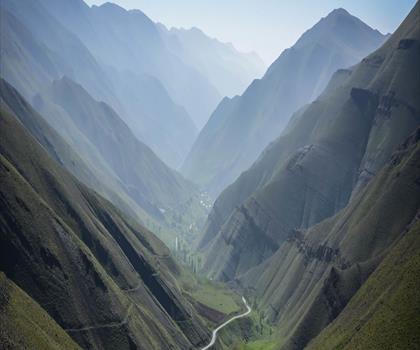
Long Mountain
Western Mountains

Pleasant Mountain
Western Mountains
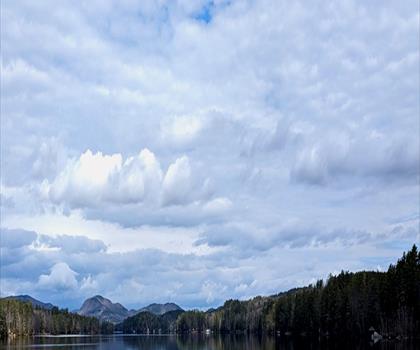
Witt's End Trail
Western Mountains
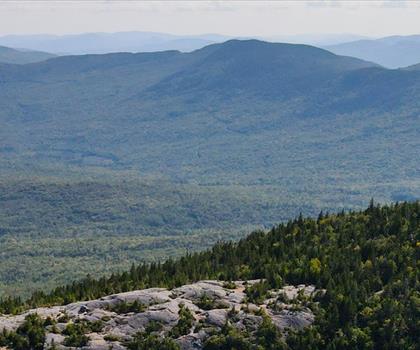
Tumbledown Mountain
Western Mountains
Royce Mt. Trailhead
Western Mountains

Bald Pate Mountain
Western Mountains
Hiking near North Conway
0 trails to explore ~78 km away
We work hard to provide the most up-to-date and error-free data possible. If something seems incorrect, let us know! Your contribution helps the whole community.
Hikers' opinions
Be the first to review!
No hiker has shared their experience yet. Share your impressions and help other hikers!