
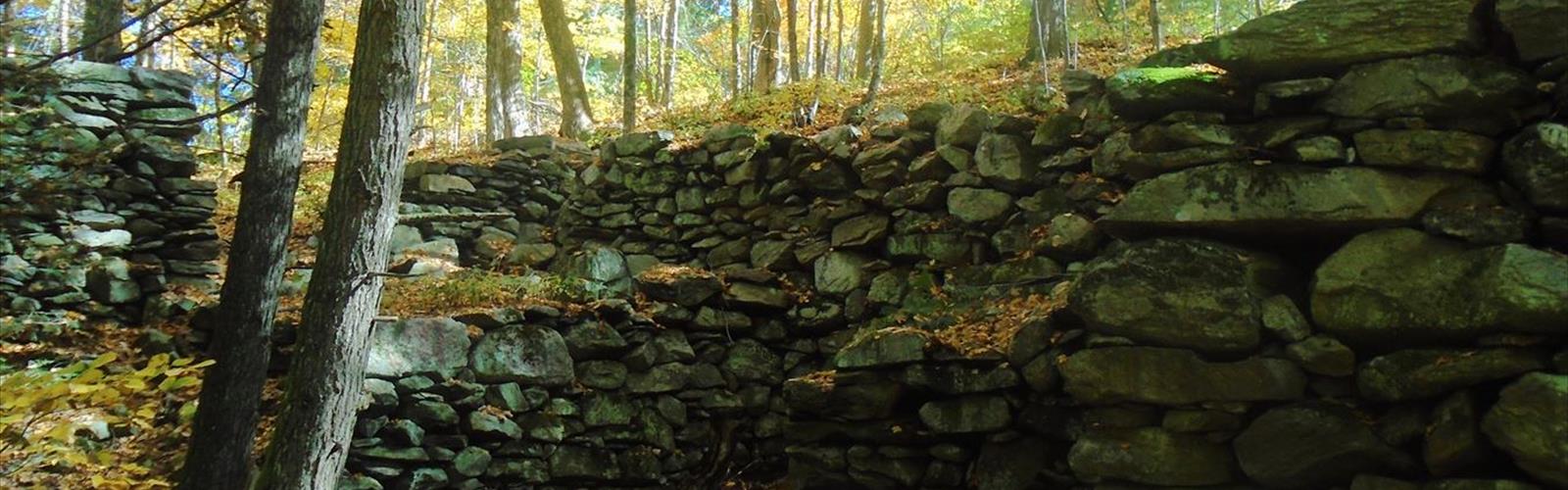

Ready to explore Mill River Conservation Area? Here's everything you need to know before you go!
Discover the trail
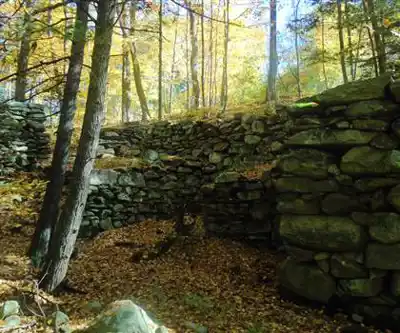
Trail description
The Mill River Conservation Area sits quietly in Massachusetts' Pioneer Valley, offering a peaceful retreat where the gentle sounds of flowing water replace the noise of daily life. This conservation area centers around the meandering Mill River, which has carved a scenic corridor through mixed hardwood forests and open meadows over countless years.
The terrain here is refreshingly manageable, with rolling hills that provide just enough elevation change to keep things interesting without overwhelming novice hikers. You'll gain about 61 meters of elevation as you explore the network of well-maintained trails, enough to offer occasional glimpses through the canopy and varied perspectives of the river valley below. The paths wind through dense sections of oak, maple, and birch trees before opening onto sunny clearings where wildflowers bloom in spring and summer.
What sets this conservation area apart from other Pioneer Valley destinations is its intimate scale and the constant presence of the Mill River. Unlike larger wilderness areas where water features might be distant goals, here the river serves as both guide and companion throughout your visit. The waterway creates a series of natural rest spots where smooth rocks and grassy banks invite you to pause and listen to the current.
Trail Experience
The 3.2-kilometer trail system accommodates hikers of all experience levels, with interconnected paths that let you customize your route based on time and energy. Most visitors complete the main loop in about an hour, though you could easily extend this by taking your time at the various scenic spots along the river. The main trails follow relatively gentle grades, making this an excellent choice for families or anyone looking to ease into hiking.
As you move through the forest, the terrain shifts between soft dirt paths cushioned by fallen leaves and occasional rocky sections where the trail crosses small seasonal streams feeding into the main river. The footing remains generally stable year-round, though spring snowmelt and autumn rains can create muddy patches in low-lying areas.
The river itself becomes increasingly prominent as you venture deeper into the conservation area. In some sections, the trail runs directly alongside the water, close enough that you can hear every ripple and see minnows darting between submerged rocks. Other portions climb slightly above the riverbank, offering elevated views of the water winding through the landscape.
The easy difficulty rating makes this trail accessible to beginners, but the varied terrain and beautiful scenery keep it engaging for more experienced hikers seeking a relaxed outing. The well-marked paths eliminate navigation concerns, allowing you to focus entirely on enjoying the natural surroundings.
Wildlife and Natural Features
The Mill River corridor supports a diverse ecosystem that changes noticeably with the seasons. White-tailed deer frequently browse in the meadow areas, particularly during early morning and late afternoon hours. Their well-worn paths crisscross the official trails, creating a network that speaks to how thoroughly wildlife uses this habitat.
Birdwatchers will find plenty to observe throughout the year. The mixed forest attracts woodpeckers, nuthatches, and various songbirds, while the river and its marshy edges draw herons, kingfishers, and seasonal waterfowl. Spring migration brings waves of warblers through the area, and patient observers often spot hawks circling above the canopy.
The plant communities here reflect the area's varied moisture levels and soil conditions. Along the river, you'll encounter lush ferns and moisture-loving wildflowers, while the drier upland areas support different species adapted to well-drained soils. This diversity creates constantly changing scenery as you move between different microhabitats within the conservation area.
The river itself hosts a variety of aquatic life, from small fish visible in the clearer pools to amphibians that emerge during evening hours. The combination of flowing and still water creates different habitats that support this biodiversity throughout the conservation area.
Seasonal Considerations
Each season transforms the Mill River Conservation Area into what feels like a completely different destination. Spring brings an explosion of wildflowers and the bright green of new leaves, while also creating the year's most dramatic water levels as snowmelt swells the river. This is prime time for photography, as delicate blooms contrast beautifully with the dark water and emerging foliage.
Summer offers the most comfortable hiking conditions, with full canopy cover providing shade during hot days. The river runs lower and clearer, revealing more of its rocky bottom and creating perfect conditions for spotting aquatic life. This season also brings the most diverse bird activity and the best opportunities for wildlife observation.
Autumn transforms the conservation area into a showcase of New England fall colors. The mixed hardwood forest creates a tapestry of reds, oranges, and yellows that reflects brilliantly in the river's calmer pools. The cooler temperatures make for excellent hiking weather, and the falling leaves create a soft carpet underfoot.
Winter hiking is possible here, though the trails receive less maintenance during snow season. The bare trees open up views that remain hidden during leafier months, and the river takes on a completely different character as ice forms along its edges and snow highlights every branch and boulder.
Planning Your Visit
The conservation area works well for both planned expeditions and spontaneous visits. The moderate distance and elevation gain make it accessible for most fitness levels, while the variety of trail options means you can adjust your route based on available time and energy. Families with children will appreciate the manageable terrain and numerous interesting features that keep young hikers engaged.
Photography enthusiasts should plan extra time for their visits, as the combination of water, forest, and wildlife creates countless opportunities for compelling images. The changing light throughout the day dramatically alters the mood of both river and forest scenes, making this a location worth visiting at different times.
The peaceful atmosphere and scenic beauty make the Mill River Conservation Area an ideal spot for combining hiking with relaxation. Pack a lunch to enjoy at one of the riverside clearings, where the sound of flowing water and forest birds creates a natural soundtrack for your outdoor meal.
The Essential Hiking Checklist
Everything you need for your next hike. Bilingual, printable, 1 page.
Get your free hiking checklistRecommended gear for this trail
As an Amazon Associate I earn from qualifying purchases.


Ready to go?
Everything you need to know before you goStarting Point
The mill river conservation area is located in Massachusetts. To get to the start of the trails, take exit 6 off of I-91 and head west on Route 10. The conservation area will be on your left.
When?
How much?
As an Amazon Associate I earn from qualifying purchases.
Affiliate links — LGPO may earn a commission at no extra cost to you.
- Hiking shoes Essential
- → Salomon Elixir Tour Mid WP · 203.38 $
- Layered clothing Essential
- Rain jacket Essential
- Trekking poles
- → Black Diamond Trail Ergo Cork · 69.99 $
- Headlamp
- → Petzl Actik Core 625 · 103.95 $
FAQ - Frequently asked questions
Everything you need to knowSimilar hikes nearby
Discover other trails you might enjoy
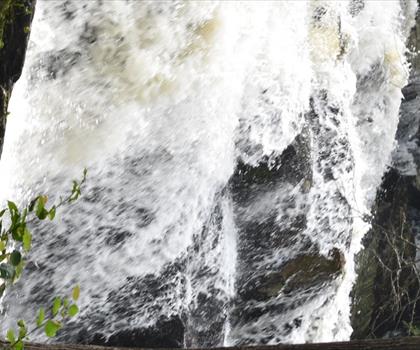
Glendale Falls
Pioneer Valley
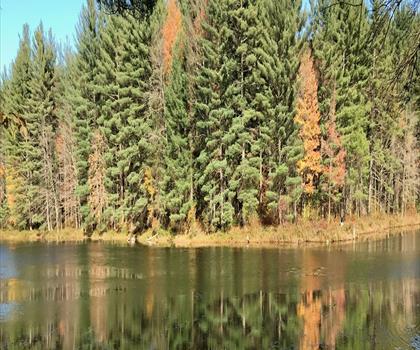
Lake Wyola
Pioneer Valley
Spirit Falls Trail head
Pioneer Valley
Mount Tom State Reservation
Pioneer Valley
Chapel Falls
Pioneer Valley
Poet's Seat Tower
Pioneer Valley
Hiking near Springfield
0 trails to explore ~35 km away
We work hard to provide the most up-to-date and error-free data possible. If something seems incorrect, let us know! Your contribution helps the whole community.
Hikers' opinions
Be the first to review!
No hiker has shared their experience yet. Share your impressions and help other hikers!