

Ready to explore Shaker Trail? Here's everything you need to know before you go!
Discover the trail
Trail description
The Shaker Trail is one of those hikes that earns its place on your list for two reasons at once: it's a genuinely pleasant walk through varied Berkshires terrain, and it doubles as a quiet history lesson you didn't know you needed. At 3.2 km with about 91 meters of elevation gain, it's an easy outing that fits comfortably into a morning or afternoon — most hikers wrap it up in around an hour and fifteen minutes.
What the Trail Feels Like
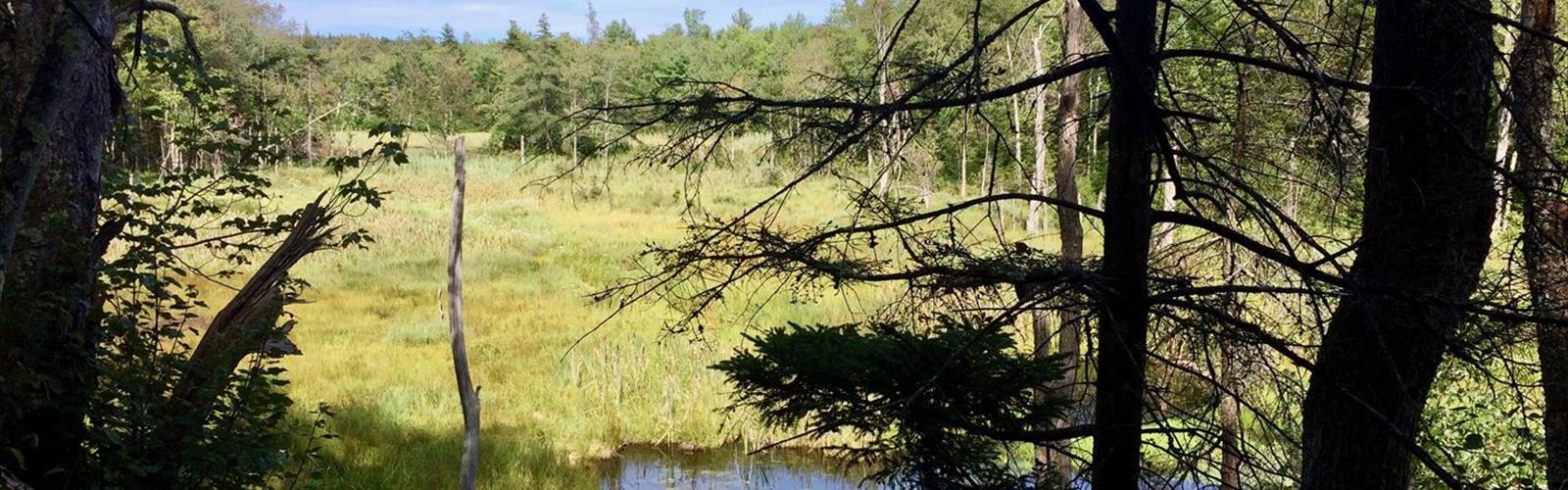
The route moves through a mix of shaded forest and open areas, which keeps things interesting even on a short hike. The forest sections are cool and well-canopied, with a forest floor that shifts noticeably with the seasons. Where the trail opens up, you get broader views across the surrounding countryside and a real sense of the agricultural landscape that shaped this part of Massachusetts.
The elevation gain is gentle and spread out — you're never grinding up a steep pitch. The undulations give the trail just enough texture to feel like a real hike rather than a flat walk, but there's nothing here that should give pause to beginners or families with kids. The footing is generally good, and the trail is well-maintained throughout.
Stone walls appear regularly along the route. They're not just decorative — they mark old property lines and serve as quiet reminders that this land was actively managed for generations before it became a trail. They also make surprisingly useful landmarks for keeping your bearings as you move through the landscape.
The Shaker Connection
What genuinely sets this trail apart in the Berkshires is its direct link to the Shaker community that once lived and worked in this area. As you hike, you'll come across the physical evidence of that presence: stone walls built with the kind of care and precision the Shakers were known for, and foundation remnants where buildings once stood. These aren't roped-off museum pieces — they're right there alongside the trail, weathered by decades of New England winters but still remarkably intact.
Walking past these remnants, it's easy to understand why the Shakers chose this particular landscape. The land is productive, the terrain is manageable, and the natural surroundings are genuinely beautiful. Their approach to integrating structures into the landscape rather than imposing on it is something you can still read in the way the trail moves through the property. The ecosystems you're walking through today are partly a product of how carefully that land was managed over time.
Wildlife and Nature
The transition zones between forest and open field are where you'll have the best luck spotting wildlife. Bird activity is consistent throughout the trail, and the variety of habitats — closed canopy, forest edge, open meadow — supports a solid range of species. Deer are a common sight, particularly in the quieter stretches of the route. The native plant life is worth paying attention to as well; the forest floor and field edges support a good mix of regional species that change noticeably through the seasons.
Seasonal Highlights
Spring brings wildflowers to the forest floor and meadow edges, and the trail is lively with bird activity as species return for the season. Summer keeps the forested sections cool even on warm days, and the open areas are at their most active with insects, birds, and the occasional deer moving through the fields.
Fall is when the Shaker Trail really stands out visually. The mixed forest produces strong fall color, and the combination of red and gold canopy against the old stone walls is exactly the kind of scene the Berkshires are known for in October. Winter hiking is quieter but rewarding — the simplified landscape makes the historical remnants easier to read, and snow-covered stone walls have their own kind of appeal. Traction devices are worth bringing once there's ice on the ground.
Planning Your Visit
The estimated 1h15 is a reasonable target if you're moving at a comfortable pace, but build in extra time if you want to stop and explore the historical sites or do any wildlife watching. The trail works well for solo hikers, couples, and families alike. A few spots along the route are well-suited for a short break or a picnic.
Dress in layers — the shift between shaded forest and open sections creates real temperature differences, and Berkshires weather can change quickly. Bring water, wear sturdy footwear, and keep a camera handy for both the natural scenery and the historical details that make this trail worth the trip.
The Essential Hiking Checklist
Everything you need for your next hike. Bilingual, printable, 1 page.
Get your free hiking checklistRecommended gear for this trail
As an Amazon Associate I earn from qualifying purchases.


Ready to go?
Everything you need to know before you goStarting Point
The shaker trail is located in the town of Harvard, Massachusetts. The best way to get there is to take Route 2 to exit 38 and then take Route 111 north. The trailhead is located on the left side of the road.
When?
How much?
As an Amazon Associate I earn from qualifying purchases.
Affiliate links — LGPO may earn a commission at no extra cost to you.
- Hiking shoes Essential
- → Salomon Elixir Tour Mid WP · 203.38 $
- Layered clothing Essential
- Rain jacket Essential
- Trekking poles
- → Black Diamond Trail Ergo Cork · 69.99 $
- Headlamp
- → Petzl Actik Core 625 · 103.95 $
FAQ - Frequently asked questions
Everything you need to knowSimilar hikes nearby
Discover other trails you might enjoy
Monument Mountain
The Berkshires
Ashuwillticook Rail Trail
The Berkshires

Thousand Acre Swamp
The Berkshires
Lake Williams State Park
The Berkshires
Mount Greylock State Reservation
The Berkshires
Wahconah Falls State Park
The Berkshires
Hiking near Albany
0 trails to explore ~42 km away
We work hard to provide the most up-to-date and error-free data possible. If something seems incorrect, let us know! Your contribution helps the whole community.
Hikers' opinions
Be the first to review!
No hiker has shared their experience yet. Share your impressions and help other hikers!