
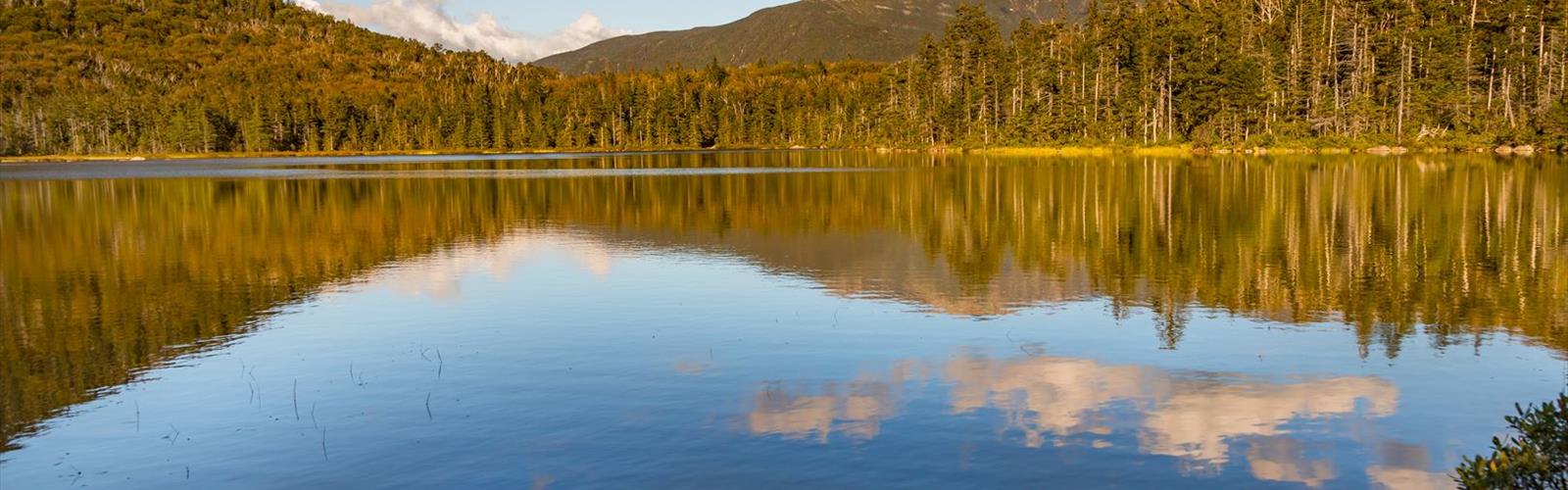

Ready to explore White Lake State Park? Here's everything you need to know before you go!
Discover the trail
Trail description
White Lake State Park in Tamworth, New Hampshire, centers around one of the state's most pristine glacial lakes, offering hikers a rare combination of water-based recreation and forest trail exploration. This 900-acre park sits in the heart of New Hampshire's Lakes Region, where the crystal-clear waters of White Lake provide both a stunning hiking destination and a refreshing reward after time on the trails.
The park's trail system spans 3 kilometers with gentle elevation changes of around 60 meters, making most routes accessible to hikers of varying experience levels. Plan on about 1 hour and 15 minutes to cover the main trail network at a steady pace, though you can easily extend your visit by combining hiking with the park's other outdoor activities or taking time to explore the shoreline areas.
Trail Network and Terrain
White Lake State Park offers several distinct hiking experiences across its diverse landscapes. The trail system includes leisurely lakeside paths that follow the shoreline, providing constant water views and easy walking on relatively flat terrain. These waterfront routes give you direct access to the lake's sandy beach areas and numerous spots perfect for taking breaks or enjoying a picnic.
The park's crown jewel for serious hikers is the Pine Barrens Trail, which ventures into one of New Hampshire's rarest and most unique ecosystems. This trail takes you through a landscape that feels almost otherworldly compared to the typical New England forest. The pine barrens ecosystem features sandy soils, specialized plant communities, and an open canopy that creates a distinctly different hiking environment from the dense hardwood forests found elsewhere in the region.
As you move away from the lake, the trails wind through lush mixed forests where the terrain becomes more varied. These woodland sections feature gentle rolling hills, small stream crossings, and dense canopy coverage that provides excellent shade during summer hiking. The forest trails connect back to the lakefront areas, allowing you to create loop hikes that showcase the park's full range of natural environments.
The trail surfaces vary from packed earth in the forest sections to sandy paths near the lake and through the pine barrens. Most routes are well-marked and maintained, with clear signage at trail junctions. The gentle elevation profile means you'll encounter gradual ascents and descents rather than steep climbs, making this an ideal location for building hiking endurance or introducing newcomers to trail hiking.
The Hiking Experience
What sets White Lake State Park apart is how the hiking experience constantly shifts between different natural environments. You might start your hike along the lake's edge, where the sound of gentle waves and the sight of clear water create a peaceful atmosphere. The lakeside sections offer numerous opportunities to step off the trail and explore the shoreline, whether you want to skip stones, take photos, or simply sit and enjoy the view.
Moving into the pine barrens feels like entering a different world entirely. The open understory and unique plant life create an almost desert-like atmosphere that's completely unexpected in New Hampshire. The sandy soil beneath your feet and the specialized vegetation make this section particularly memorable and unlike anything you'll find on most other trails in the region.
The forest sections provide the classic New England hiking experience, with towering trees creating a natural cathedral overhead. These areas tend to be cooler and more shaded, offering relief during warm weather. The mixed hardwood and coniferous forest supports the park's diverse wildlife population and provides the most traditional woodland hiking experience within the park.
Wildlife and Natural Features
The park's diverse habitats support an impressive variety of wildlife that hikers regularly encounter along the trails. White-tailed deer are commonly spotted throughout the park, particularly during early morning and evening hours. Red foxes also inhabit the area, though they're more elusive and typically seen by hikers who venture out during quieter times of day.
Birdwatchers will find White Lake State Park particularly rewarding, as the combination of water, forest, and pine barrens habitats attracts numerous species throughout the year. The lake itself draws waterfowl, while the forest sections host a variety of songbirds and raptors. The unique pine barrens ecosystem supports specialized bird species that are uncommon elsewhere in New Hampshire.
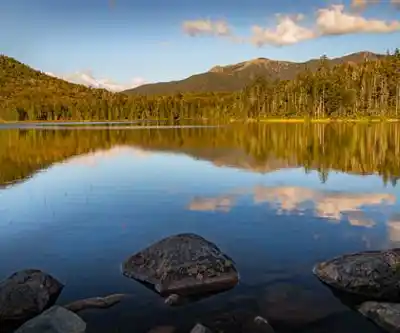
White Lake itself serves as the park's central natural feature and primary attraction. This glacial lake maintains remarkably clear water that reflects the surrounding forest and sky, creating picture-perfect conditions for photography throughout your hike. The lake's sandy bottom and clean water make it ideal for swimming, providing a refreshing break during warm-weather hiking.
Recreational Opportunities Beyond Hiking
While hiking forms the core activity at White Lake State Park, the location excels at combining trail exploration with water-based recreation. Many visitors plan their hiking around spending time on or in the lake, whether that means swimming, kayaking, or simply relaxing on the sandy beach areas accessible via the lakefront trails.
The park's picnic areas integrate seamlessly with the trail system, positioned at scenic spots along the lake where you can enjoy meals with expansive water views. These areas work well as rest stops during longer hikes or as base camps for families combining hiking with other outdoor activities.
For visitors wanting to extend their White Lake State Park experience beyond day hiking, the park maintains well-established campsites that provide direct access to the trail network. Camping here allows you to experience the park during different times of day, including early morning and evening hours when wildlife activity peaks and the lighting on the lake becomes particularly dramatic.
Seasonal Considerations
White Lake State Park offers distinct hiking experiences across different seasons, with each time of year highlighting different aspects of the landscape. Summer provides the classic experience of combining hiking with swimming and water activities, when the lake reaches comfortable temperatures and the beach areas become major attractions.
Fall transforms the park into a showcase of New England foliage, with the mixed hardwood forests displaying vibrant colors that reflect dramatically in the lake's still waters. The pine barrens areas provide interesting contrast during autumn, maintaining their unique character while surrounded by the changing deciduous forest.
Winter and early spring offer quieter hiking experiences when the park receives fewer visitors. During these seasons, the focus shifts entirely to the trail experience and wildlife observation, as the lake activities become unavailable but the forest hiking remains excellent.
What Makes This Location Special
White Lake State Park stands out in New Hampshire's hiking landscape because it successfully combines multiple outdoor experiences in a single, manageable location. The park's compact size means you can experience glacial lake beauty, rare pine barrens ecology, and traditional New England forest hiking all within a few hours of walking.
The lake itself provides something relatively uncommon among New Hampshire hiking destinations: a substantial body of pristine water that serves as both a scenic backdrop and an active part of the outdoor experience. Most hiking areas in the region feature small ponds or streams, making White Lake's size and clarity particularly notable.
The park's accessibility makes it valuable for hikers who want a genuine outdoor experience without committing to challenging mountain terrain or long-distance trails. The 3-kilometer trail network and modest elevation changes mean that families, casual hikers, and those new to the activity can enjoy a full hiking experience while still accessing some of New Hampshire's most beautiful natural features.
The Essential Hiking Checklist
Everything you need for your next hike. Bilingual, printable, 1 page.
Get your free hiking checklistRecommended gear for this trail
As an Amazon Associate I earn from qualifying purchases.


Ready to go?
Everything you need to know before you goStarting Point
The start of the trails at the white lake state park in New Hampshire can be accessed from Route 16.
When?
How much?
As an Amazon Associate I earn from qualifying purchases.
Affiliate links — LGPO may earn a commission at no extra cost to you.
- Hiking shoes Essential
- → Salomon Elixir Tour Mid WP · 203.38 $
- Layered clothing Essential
- Rain jacket Essential
- Trekking poles
- → Black Diamond Trail Ergo Cork · 69.99 $
- Headlamp
- → Petzl Actik Core 625 · 103.95 $
FAQ - Frequently asked questions
Everything you need to knowSimilar hikes nearby
Discover other trails you might enjoy

Midstate Trail Sutton
Lakes Region
Copple Crown Mountain
Lakes Region
Cotton Valley Rail Trail Club
Lakes Region
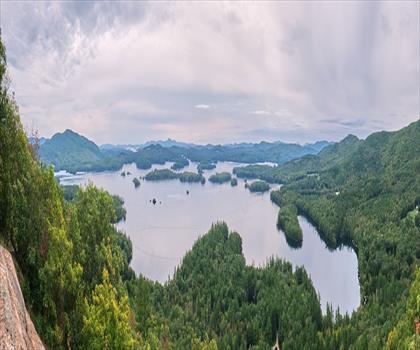
West Rattlesnake Mountain
Lakes Region
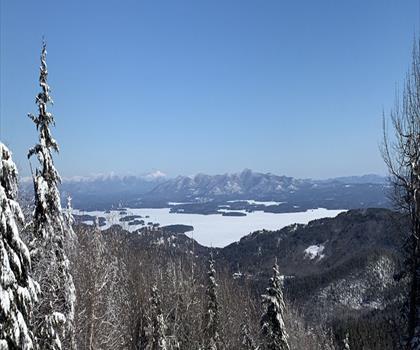
Piper Mountain
Lakes Region
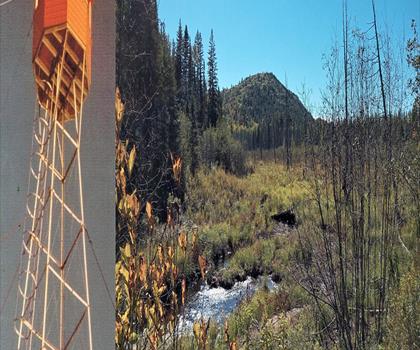
Green Mountain Fire Tower
Lakes Region
Hiking near North Conway
0 trails to explore ~25 km away
We work hard to provide the most up-to-date and error-free data possible. If something seems incorrect, let us know! Your contribution helps the whole community.
Hikers' opinions
Be the first to review!
No hiker has shared their experience yet. Share your impressions and help other hikers!