

Ready to explore derry rail trail? Here's everything you need to know before you go!
Discover the trail
Trail description
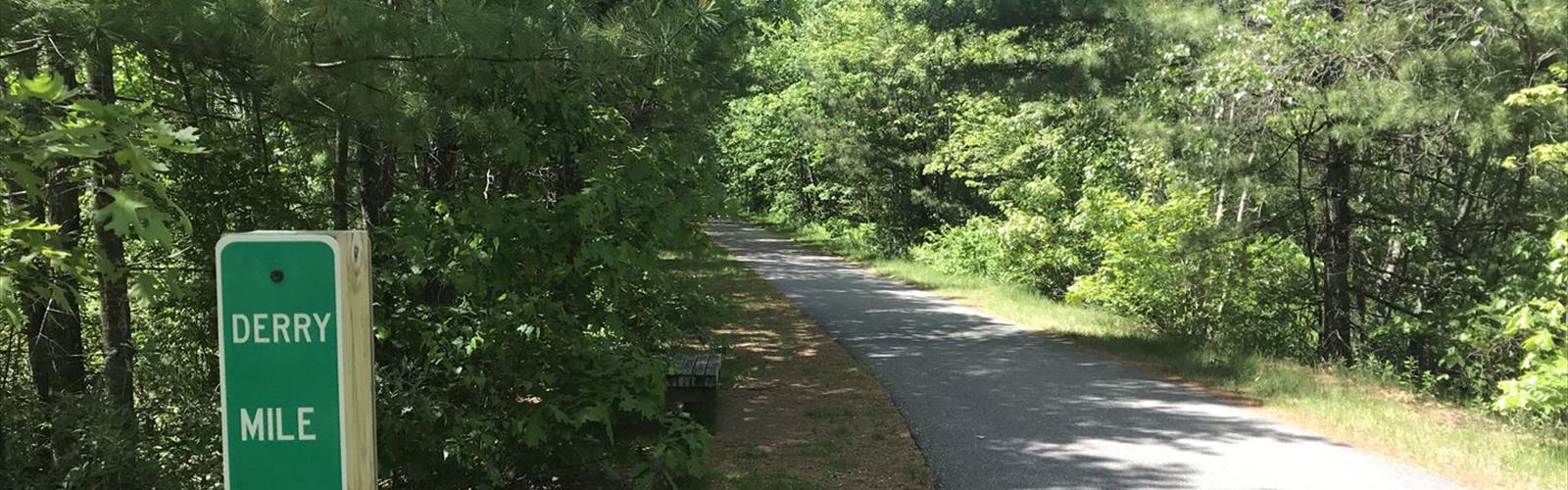
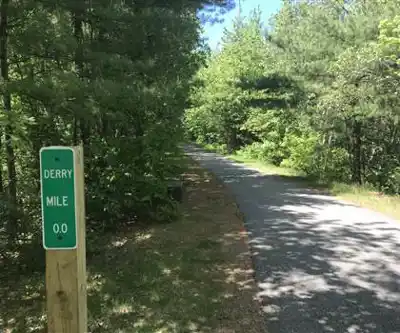
The Derry Rail Trail runs along a converted railroad corridor through the Merrimack Valley, offering one of the most accessible outdoor experiences in southern New Hampshire. Built on a former rail bed, the trail stretches 23 kilometers with only 10 meters of elevation gain across its entire length — essentially flat from start to finish. That combination of distance and gentle grade makes it genuinely welcoming for hikers of all ages and fitness levels, from young families with strollers to older adults looking for a long, comfortable walk without the challenge of steep terrain.
The trail is part of the broader Granite State Rail Trail network, connecting communities while carving out a quiet green corridor just minutes from downtown Derry. Despite its suburban setting, the path feels removed from everyday noise for much of its length, threading through woodland and open meadow in a way that keeps the experience fresh over the full distance.
Trail Surface and Terrain
The surface is packed gravel and dirt — firm enough for easy walking and good drainage after rain, but natural enough to feel like a proper trail rather than a paved path. The old railroad grade does all the work here: because the original rail line was engineered for minimal slope, the trail stays consistently level without the rollercoaster profile you'd find on most natural footpaths. Wooden bridges cross small streams and wet areas at several points, adding a bit of variety and giving you natural spots to pause and listen to moving water.
The wide corridor accommodates multiple users comfortably side by side, which matters on a trail this long. You'll share the path with walkers, joggers, cyclists, and dog owners, and the width keeps things from feeling crowded even on busier weekend mornings.
What You'll See Along the Way
The trail alternates between two main environments throughout its length. Dense woodland sections — primarily maple, oak, and pine — close in overhead and create a shaded canopy that makes summer walking genuinely comfortable. The forest floor supports a layered understory that shifts noticeably with the seasons, from spring wildflowers carpeting the ground to the deep greens of midsummer to the leaf litter of fall.
Between the wooded stretches, the trail opens into fields and meadows with long sight lines across the rolling Merrimack Valley landscape. These open sections let you see distant hills on clear days and give the walk a sense of space that the forest sections don't. The back-and-forth between enclosed canopy and open sky is one of the things that keeps a 23-kilometer walk from feeling monotonous.
Wildlife is a consistent presence along the trail. White-tailed deer browse in the meadow sections, particularly in the early morning and around dusk. The mixed forest supports a solid variety of bird life — chickadees, nuthatches, woodpeckers, and hawks among them — and the trail's low traffic and absence of motorized vehicles means animals move around more freely during daylight hours than they would along a road. Chipmunks, squirrels, and the occasional fox round out the regular cast of local wildlife.
The meadow sections attract butterflies and other pollinators when wildflowers are in bloom, and these open areas change noticeably from week to week during the growing season as different plant species come into flower.
Seasonal Conditions
Spring brings fresh growth and wildflower blooms, though early spring can mean softer, muddier sections during New Hampshire's mud season. The trail remains passable for most visitors even then, but expect wetter footing in low-lying areas near the stream crossings.
Summer is comfortable thanks to the canopy coverage in the wooded sections. Early morning walks are particularly rewarding — cooler temperatures, active bird life, and dew-covered vegetation before the day heats up.
Fall is when the Merrimack Valley really delivers. The maples turn brilliant red and orange, the oaks shift to deep yellow and brown, and the open sections of the trail give you unobstructed views of the surrounding hillsides at peak color. For a flat trail, the fall foliage scenery punches well above its weight.
In winter, the flat grade and wide path make the Derry Rail Trail a natural fit for snowshoeing and cross-country skiing when snow conditions allow. The same features that make it easy walking in summer — consistent grade, wide corridor, no technical terrain — translate directly into a beginner-friendly winter route.
Access and Parking
Hood Park in Derry serves as the primary trailhead, with dedicated parking, restroom facilities, and clear trail markers. It's the most practical starting point for first-time visitors and families who want amenities close at hand. The Bowers Road access point offers a quieter alternative with roadside parking for those who prefer a lower-key entry into the trail.
Both access points connect to the same corridor, so the choice comes down to personal preference rather than trail access. The out-and-back layout means you can start from either end, walk as far as time allows, and turn around — the return trip gives you the same scenery from the opposite direction, which reads differently than you might expect on a trail with this much open space.
What to Bring
At 23 kilometers, this is a longer outing than it might look on paper — plan for roughly six hours if you're covering the full distance at a relaxed pace. Bring enough water and food for a half-day walk, especially in summer when the open meadow sections offer limited shade. Regular walking shoes with decent grip handle the packed surface without any trouble; specialized hiking boots aren't necessary. Layers are worth considering in spring and fall when temperatures can shift significantly over a six-hour window in southern New Hampshire.
The Essential Hiking Checklist
Everything you need for your next hike. Bilingual, printable, 1 page.
Get your free hiking checklistRecommended gear for this trail
As an Amazon Associate I earn from qualifying purchases.


Ready to go?
Everything you need to know before you goStarting Point
The easiest way to get to the start of the trails at the derry rail trail is to drive to Derry, NH and park in the lot adjacent to the trailhead.
When?
How much?
As an Amazon Associate I earn from qualifying purchases.
Affiliate links — LGPO may earn a commission at no extra cost to you.
- Hiking shoes Essential
- → Salomon Elixir Tour Mid WP · 203.38 $
- Layered clothing Essential
- Rain jacket Essential
- Trekking poles
- → Black Diamond Trail Ergo Cork · 69.99 $
- Headlamp
- → Petzl Actik Core 625 · 103.95 $
FAQ - Frequently asked questions
Everything you need to knowSimilar hikes nearby
Discover other trails you might enjoy

Uncanoonuc Mountains
Merrimack Valley
Benson Park
Merrimack Valley
Windham Rail Trail
Merrimack Valley
Mine Falls Park
Merrimack Valley
South Uncanoonuc
Merrimack Valley
Twin Bridge Park
Merrimack Valley
Hiking near Manchester
0 trails to explore ~19 km away
We work hard to provide the most up-to-date and error-free data possible. If something seems incorrect, let us know! Your contribution helps the whole community.
Hikers' opinions
Be the first to review!
No hiker has shared their experience yet. Share your impressions and help other hikers!