

Ready to explore Blue Job Mountain? Here's everything you need to know before you go!
Discover the trail
Trail description
Blue Job Mountain stands out as one of New Hampshire's most accessible peaks, offering hikers a rewarding summit experience without the commitment of a full-day adventure. Located in the Seacoast region, this modest 1,356-foot mountain delivers surprisingly expansive views that rival much taller peaks in the state. The mountain's unique name comes from the blue haze that often shrouds its summit when viewed from a distance, creating an almost mystical appearance that has captivated visitors for generations.
What makes Blue Job Mountain particularly appealing is its perfect balance of effort and reward. The 2-kilometer hike with 122 meters of elevation gain provides enough of a workout to feel accomplished while remaining manageable for families, casual hikers, and those looking to squeeze in a quick outdoor adventure. Most hikers complete the round trip in about an hour and fifteen minutes, making it an ideal choice for morning or afternoon excursions. The trail winds through classic New Hampshire forest, transitioning from mixed hardwoods at the base to more coniferous growth as you approach the summit.
Trail Experience and Terrain
The main trail begins at the well-marked trailhead off First Crown Point Road, where you'll find adequate parking for several vehicles. The path starts gently through a mixed forest of oak, maple, and birch trees, with the occasional towering white pine providing shade overhead. The initial section follows an old woods road, making navigation straightforward and the footing relatively easy.
As you progress up the mountain, the trail becomes more traditional single-track, winding through increasingly dense forest. The easy difficulty rating makes this hike accessible to most fitness levels, though you'll still feel the steady climb in your legs. Rocky sections become more frequent as you near the top, requiring some basic scrambling over granite ledges and boulders that add character to the hike without being technically challenging.
The forest composition shifts noticeably during your ascent. Lower elevations feature the classic New England deciduous mix, while higher up, you'll encounter more hemlock, spruce, and fir trees. This transition creates distinct microclimates and habitats that support diverse wildlife throughout the seasons. The well-maintained trail features blue blazes that make navigation straightforward, even for novice hikers.
Summit Views and Highlights
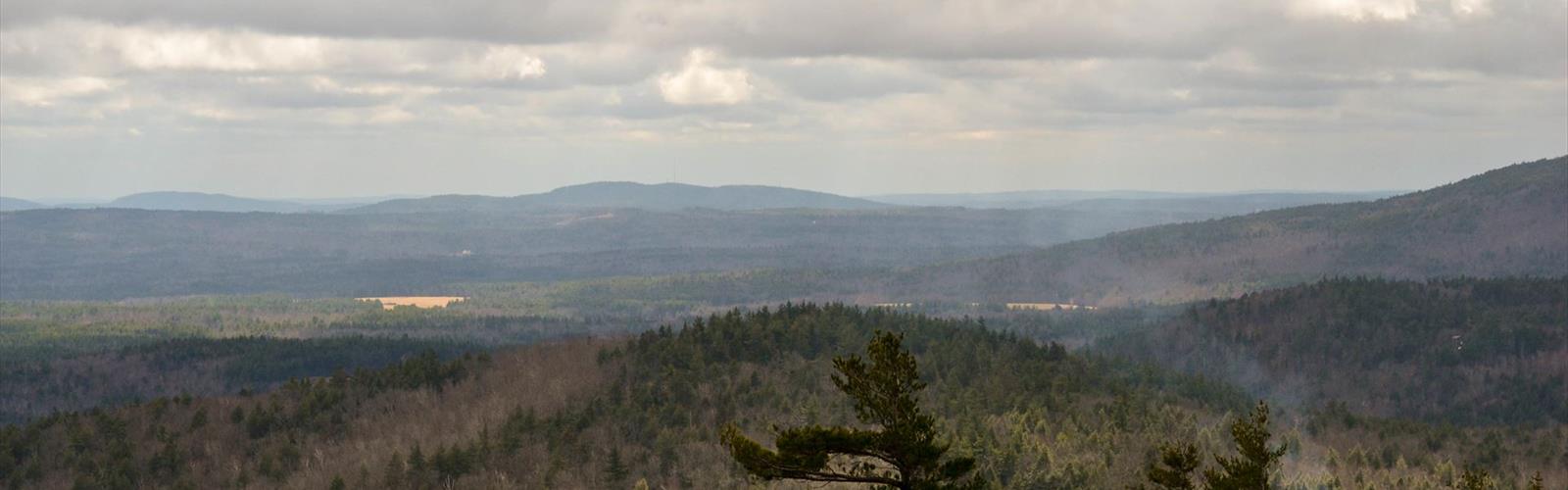
The summit of Blue Job Mountain opens up to reveal one of the most impressive panoramic views in southeastern New Hampshire. The exposed granite ledges provide multiple vantage points, each offering slightly different perspectives of the surrounding landscape. To the north and northwest, the White Mountains dominate the horizon, with Mount Washington clearly visible on clear days. The Presidential Range spreads out like a jagged crown, while closer peaks in the Ossipee Mountains create layered ridgelines that fade into the distance.
Looking east and southeast, the view extends toward the Atlantic Ocean and the Seacoast region. On exceptionally clear days, you can spot the Portsmouth area and even catch glimpses of the ocean itself. The immediate foreground reveals a patchwork of forests, fields, and small communities that characterize rural New Hampshire, creating a peaceful contrast to the dramatic mountain vistas.
The summit area itself invites lingering, with several comfortable spots to sit and take in the scenery. The open ledges warm quickly in the sun, making this an ideal spot for a snack break or extended rest. The relatively small summit means you'll likely share the space with other hikers, but the friendly atmosphere typical of New Hampshire's hiking community makes this part of the experience rather than a drawback.
Wildlife and Natural Features
Blue Job Mountain serves as habitat for a diverse array of New Hampshire wildlife. White-tailed deer are commonly spotted along the trail, particularly during early morning or late afternoon hikes. The mixed forest supports populations of red and gray squirrels, chipmunks, and various songbird species. Birdwatchers should keep an eye out for woodpeckers, nuthatches, and chickadees year-round, while spring and summer bring migrant warblers and other seasonal species.
During summer months, wild blueberries ripen along sections of the trail, particularly in areas where the canopy opens up to allow more sunlight. These native lowbush blueberries provide a delightful natural snack for hikers, though it's important to leave plenty for the wildlife that depends on them. The berries typically ripen in late July and early August, adding an extra incentive for summer hiking.
The forest floor changes dramatically with the seasons, from spring wildflowers like trout lily and bloodroot to the brilliant fall foliage that makes New Hampshire famous. Winter transforms the mountain into a snow-covered wonderland, though the trail becomes more challenging and requires appropriate winter hiking gear.
Planning Your Visit
The easy difficulty rating and moderate distance make Blue Job Mountain an excellent choice for hikers of all experience levels. Families with children will find this an ideal introduction to mountain hiking, as the manageable elevation gain still provides a genuine summit experience. The trail is well-maintained by local hiking groups, ensuring good footing and clear blazing throughout the route.
Proper footwear is essential, as the rocky sections near the summit can be slippery when wet. Sturdy hiking boots or shoes with good traction will make the experience much more enjoyable and safe. While the trail is relatively short, carrying water and snacks is always recommended, especially during warmer months when dehydration can occur quickly.
Weather conditions can change rapidly in New Hampshire, even on smaller mountains like Blue Job. The exposed summit can be significantly windier and cooler than the forested sections of the trail, so bringing an extra layer is wise regardless of the season. During winter months, the trail may require snowshoes or microspikes depending on conditions.
The mountain is accessible year-round, though each season offers a distinctly different experience. Spring brings wildflowers and migrating birds, summer offers the warmest weather and ripening berries, fall delivers spectacular foliage views from the summit, and winter provides a peaceful snow-covered landscape for those properly equipped for cold-weather hiking.
The Essential Hiking Checklist
Everything you need for your next hike. Bilingual, printable, 1 page.
Get your free hiking checklistRecommended gear for this trail
As an Amazon Associate I earn from qualifying purchases.


Ready to go?
Everything you need to know before you goStarting Point
The blue job mountain trails are located in New Hampshire. To get to the start of the trails, take exit 32 off of I-93 and head east on Route 3. The trailhead is located on the left side of the road.
When?
How much?
As an Amazon Associate I earn from qualifying purchases.
Affiliate links — LGPO may earn a commission at no extra cost to you.
- Hiking shoes Essential
- → Salomon Elixir Tour Mid WP · 203.38 $
- Layered clothing Essential
- Rain jacket Essential
- Trekking poles
- → Black Diamond Trail Ergo Cork · 69.99 $
- Headlamp
- → Petzl Actik Core 625 · 103.95 $
FAQ - Frequently asked questions
Everything you need to knowSimilar hikes nearby
Discover other trails you might enjoy
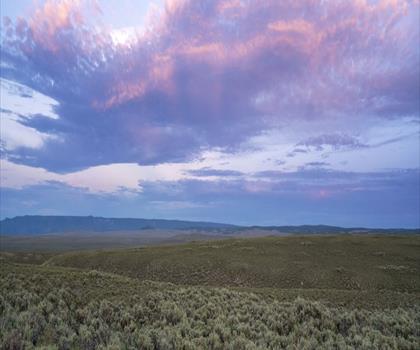
Parker Mountain
Seacoast

South Mountain Summit, Pawtuckaway State Park.
Seacoast

Pawtuckaway Lake
Seacoast
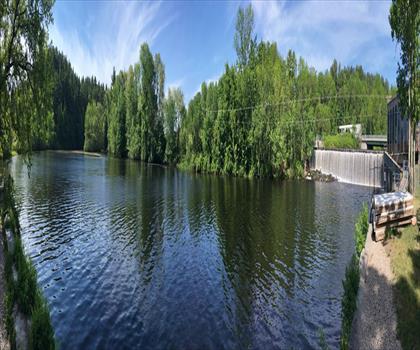
Salmon Falls River
Seacoast

Northwood Meadows State Park
Seacoast

Prescott Park
Seacoast
Hiking near Concord
0 trails to explore ~37 km away
We work hard to provide the most up-to-date and error-free data possible. If something seems incorrect, let us know! Your contribution helps the whole community.
Hikers' opinions
Be the first to review!
No hiker has shared their experience yet. Share your impressions and help other hikers!