
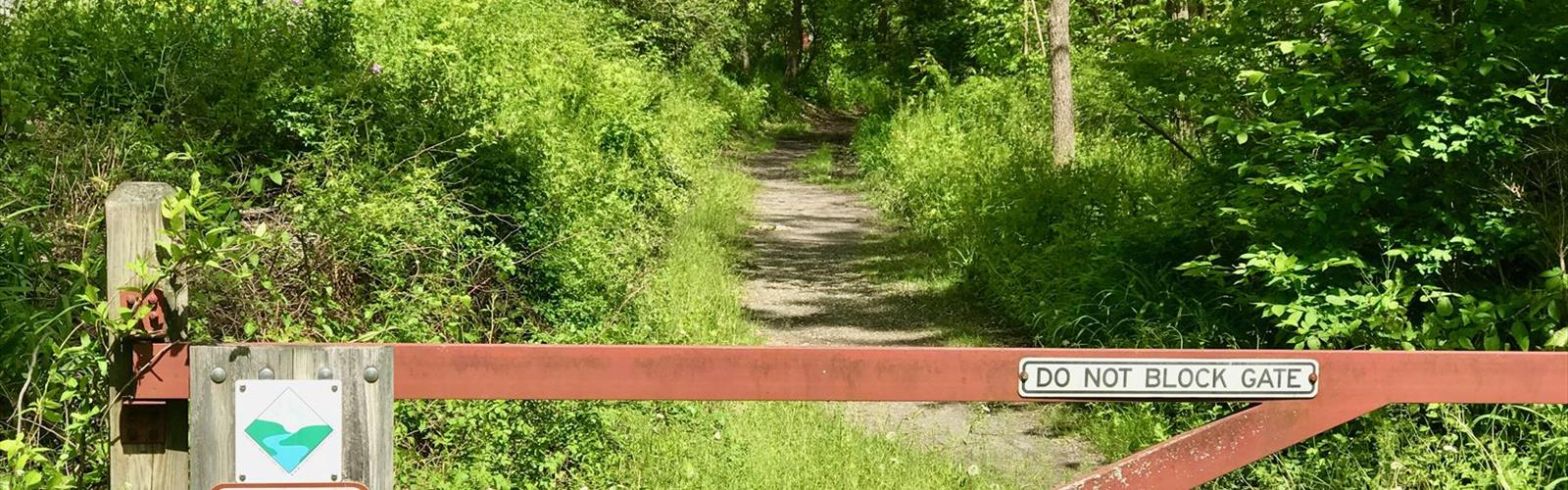

Ready to explore White Lake Natural Resource Area? Here's everything you need to know before you go!
Discover the trail
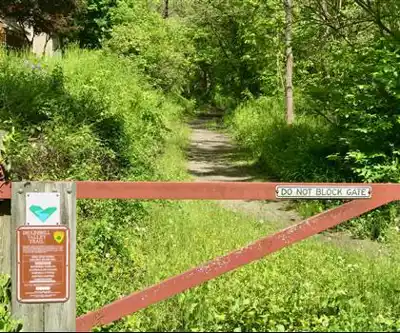
Trail description
The White Lake Natural Resource Area sprawls across 469 acres of diverse terrain in New Jersey's Skylands Region, offering hikers a compelling mix of pristine wilderness and historical intrigue. This protected area centers around a crystal-clear glacial lake that serves as both the scenic heart of the preserve and a thriving ecosystem supporting diverse aquatic life.
What sets White Lake apart from other hiking destinations in the region is its remarkable variety of landscapes packed into a relatively compact area. You'll traverse well-maintained trails that wind through dense hardwood forests, emerge into sun-dappled open fields, and circle back to lakeside paths where the water reflects towering trees and changing skies. The glacial origins of the lake become apparent as you explore—the surrounding terrain shows the characteristic rolling hills and scattered boulders left behind by retreating ice sheets thousands of years ago.
Trail Experience and Terrain
The 4.8-kilometer trail system at White Lake caters to hikers of all abilities, with interconnected paths that allow you to customize your experience based on time and energy levels. The easy difficulty rating makes this an ideal destination for families, casual hikers, or anyone looking for a peaceful outdoor experience without technical challenges. Most visitors complete the main loop in about 90 minutes, though you could easily extend this by taking your time at scenic overlooks or wildlife viewing spots.
The network includes both loop options and out-and-back segments, giving you flexibility in route planning. The 91 meters of elevation gain is distributed gradually across the trail system, making the climbs manageable while still providing rewarding elevated views of the lake and surrounding countryside. You'll find the ascents gentle enough for conversation, yet substantial enough to offer changing perspectives as you gain height.
The forested sections lead you through mature stands of oak, maple, and hickory, with an understory rich in native shrubs and wildflowers that change dramatically with the seasons. These wooded trails provide welcome shade during summer months and create natural windbreaks that make hiking comfortable even on breezy days. The trail surface varies from packed earth to occasional rocky sections, but remains well-maintained and clearly marked throughout.
Open field areas offer a completely different hiking experience, with wide views across meadows that attract butterflies, birds, and other wildlife. These sections can be particularly striking during golden hour, when the grasslands take on a warm glow and the contrast with the dark forest edges becomes especially pronounced. The transition between forest and field creates natural rest stops where you can pause to appreciate the landscape diversity.
Wildlife and Natural Features
White Lake's diverse habitats support an impressive array of wildlife that makes every visit feel like a nature discovery expedition. Deer are commonly spotted throughout the area, particularly in the early morning and late afternoon hours when they venture into the open fields to feed. Foxes also call this area home, though they're more elusive and require patience and quiet observation to spot.
The bird watching opportunities here are exceptional, with the varied habitats attracting different species throughout the year. Forest birds like woodpeckers, nuthatches, and various warblers inhabit the wooded sections, while the open areas and lake edges draw waterfowl, raptors, and grassland species. The lake itself supports fish populations that attract fishing birds, adding another layer to the wildlife viewing experience.
The pristine glacial lake serves as more than just a scenic backdrop—it's a functioning ecosystem that demonstrates the interconnectedness of forest, field, and aquatic environments. The clear waters allow you to observe aquatic life from shoreline vantage points, and the lake's health reflects the overall environmental quality of the entire preserve. Several spots along the trail offer direct lake access, perfect for quiet contemplation or photography.
Historical Elements and Cultural Landscape
Your exploration of White Lake takes on added depth thanks to the historical remnants scattered throughout the area. The preserve contains the remains of old farmsteads that tell the story of agricultural heritage, when this land supported working farms rather than serving as protected wilderness. These historical elements aren't just curiosities—they help explain the current landscape and why you'll find the particular mix of forest and field that characterizes the area today.
Stone walls crisscross portions of the preserve, marking old property boundaries and livestock enclosures from the farming era. These walls, built from stones cleared from fields by generations of farmers, now serve as habitat for small mammals, reptiles, and plants that thrive in the unique microenvironments created by the stone structures. Following these walls can lead you to some of the most secluded and peaceful spots in the preserve.
The juxtaposition of natural beauty and human history creates compelling photographic opportunities throughout your hike. The weathered stone foundations partially reclaimed by forest growth, old farm roads now serving as wildlife corridors, and meadows that were once cultivated fields all tell stories of how landscapes evolve and change over time.
Photography and Seasonal Highlights
White Lake Natural Resource Area offers outstanding photography opportunities year-round, with each season bringing its own visual rewards. The lake provides natural reflective surfaces for capturing sky, clouds, and surrounding vegetation, while the varied terrain ensures you'll find interesting compositions whether you prefer wide landscape shots or intimate nature details.
Spring brings wildflowers to the forest floor and fresh green growth that creates vibrant contrasts. Summer offers lush, full vegetation and active wildlife, though early morning visits help you avoid the heat and catch animals during their most active periods. Fall transforms the hardwood forests into a spectacular display of changing colors that reflect beautifully in the lake's calm waters. Winter strips away the understory vegetation, revealing the preserve's underlying structure and making wildlife tracking easier in snow-covered areas.
The combination of water, forest, field, and historical elements means you'll find photographic subjects ranging from sweeping landscape vistas to detailed shots of stone wall textures, wildlife portraits, and abstract reflections in the lake's surface. The changing light throughout the day creates different moods and opportunities, making this a destination worth visiting multiple times to fully capture its photographic potential.
The Essential Hiking Checklist
Everything you need for your next hike. Bilingual, printable, 1 page.
Get your free hiking checklistRecommended gear for this trail
As an Amazon Associate I earn from qualifying purchases.


Ready to go?
Everything you need to know before you goStarting Point
The white lake natural resource area is located in Blairstown, New Jersey. To get to the start of the trails, take Route 94 to Route 521. Turn onto Route 521 and drive for about 1.5 miles. The entrance to the white lake natural resource area will be on your left.
When?
How much?
As an Amazon Associate I earn from qualifying purchases.
Affiliate links — LGPO may earn a commission at no extra cost to you.
- Hiking shoes Essential
- → Salomon Elixir Tour Mid WP · 203.38 $
- Layered clothing Essential
- Rain jacket Essential
- Trekking poles
- → Black Diamond Trail Ergo Cork · 69.99 $
- Headlamp
- → Petzl Actik Core 625 · 103.95 $
FAQ - Frequently asked questions
Everything you need to knowSimilar hikes nearby
Discover other trails you might enjoy
Lake Sonoma
Skylands Region
Blue Mountain Lakes
Skylands Region
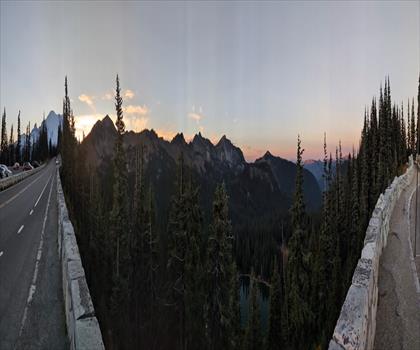
Sunrise Mountain Overlook
Skylands Region
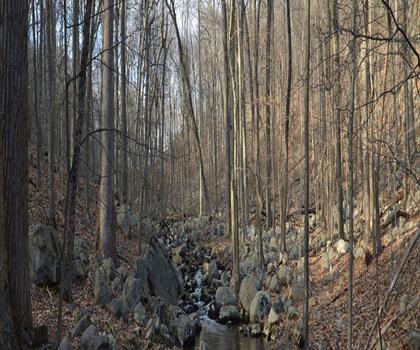
Scarlet Oak Pond Walk
Skylands Region
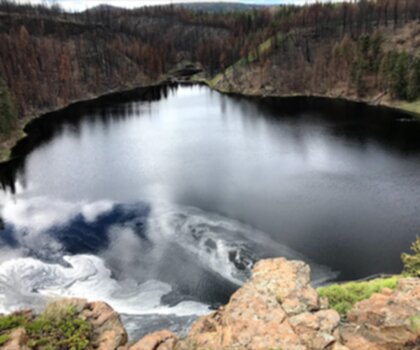
Crater Lake
Skylands Region
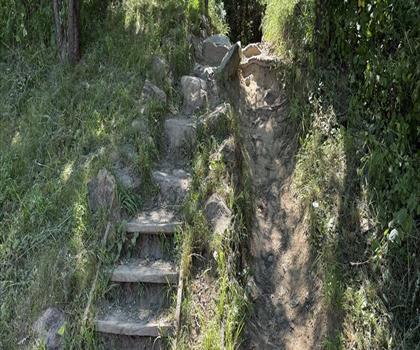
Stairway To Heaven Trail
Skylands Region
Hiking near Newark
0 trails to explore ~69 km away
We work hard to provide the most up-to-date and error-free data possible. If something seems incorrect, let us know! Your contribution helps the whole community.
Hikers' opinions
Be the first to review!
No hiker has shared their experience yet. Share your impressions and help other hikers!