

Ready to explore Devil's Path Trail? Here's everything you need to know before you go!
Discover the trail
Available trails
| TrailTrails | Dist.Distance | GainElevation | TimeDuration | Difficulty | GPX |
|---|---|---|---|---|---|
|
|
35.44 km | — | 8h | GPX |
GPX track: © OpenStreetMap contributors — ODbL 1.0
Trail description
Devil's Path Trail cuts a demanding 24.2-mile line through the heart of the Catskill Mountains, earning its reputation as one of the Northeast's most challenging and technically difficult hiking routes. This isn't a trail for casual weekend warriors—it's a serious undertaking that demands respect, preparation, and genuine hiking experience.
What Makes This Trail Notorious
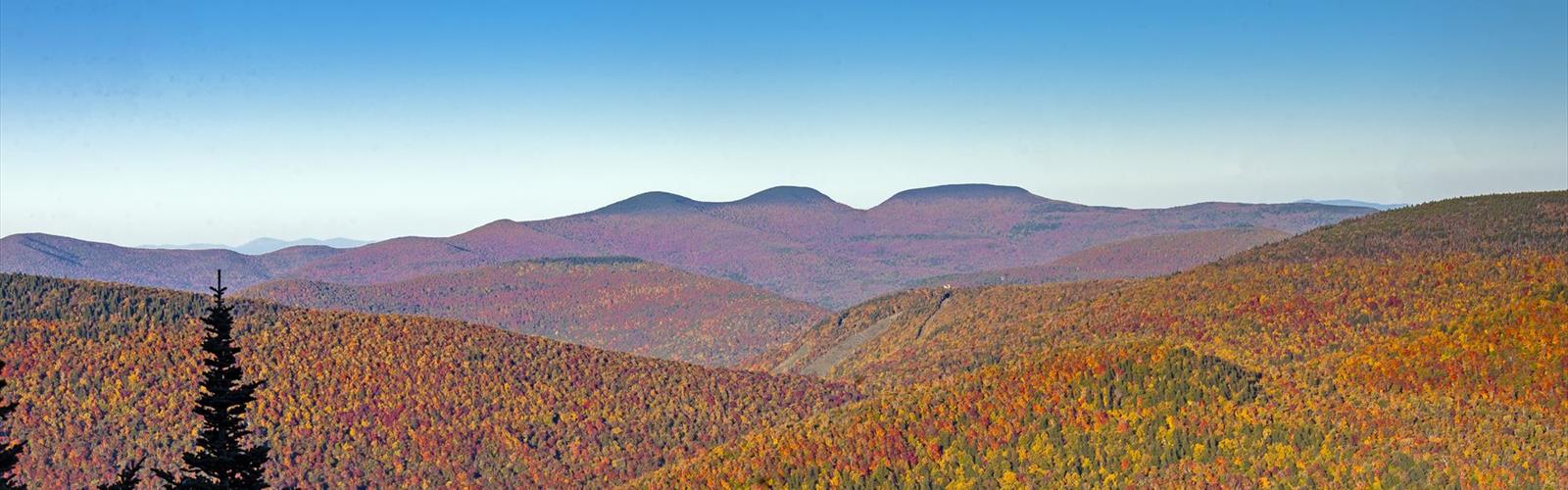
The Devil's Path lives up to its intimidating name through relentless elevation changes and technical terrain that will test every muscle group. You'll tackle five major peaks in succession: Indian Head, Twin Mountain, Sugarloaf Mountain, Plateau Mountain, and West Kill Mountain. Each summit presents its own personality—from the exposed rock scrambles of Indian Head to the dense forest approaches of West Kill Mountain.
What sets this trail apart from other long-distance hikes is the sheer brutality of its ups and downs. You're not just gaining elevation once and cruising along ridgelines. Instead, you'll find yourself climbing steep, rocky ascents only to plunge down equally challenging descents, then immediately start climbing again. The trail designers seemed to find every possible way to make hikers work for their views.
Between the major peaks, you'll navigate through several distinctive notches and passes that break up the climbs with their own character. Stony Clove Notch provides a dramatic passage between towering cliffs that feels almost otherworldly. Jimmy Dolan Notch offers another exciting segment where the trail threads between rock walls. These geological features aren't just scenic—they're integral parts of the trail's challenging character.
Trail Experience and Terrain
The terrain varies dramatically as you progress along the route. Dense hardwood and coniferous forests dominate much of the trail, creating tunnel-like passages where you'll hike for extended periods without views, building anticipation for the next overlook. When those views finally open up, they're spectacular—panoramic vistas across the Catskills' rolling hills and deep valleys that stretch to distant mountain ranges.
Rocky outcrops and scrambles appear frequently, requiring careful foot placement and occasional use of hands for balance. The trail surface itself ranges from well-maintained dirt paths to loose rock, exposed roots, and steep stone steps. In wet conditions, these sections become significantly more challenging and potentially dangerous.
Orchard Point stands out as a must-visit spot along the route, offering some of the finest views available on the entire trail. The overlook provides a perfect place to rest and take in the sweeping landscape that makes all the difficult climbing worthwhile.
Mink Hollow serves as a welcome respite amidst the more punishing sections, offering relatively gentle terrain and a chance to catch your breath before the next major climb. Pecoy Notch adds another layer of geological interest with its unique rock formations that showcase the ancient forces that shaped this landscape.
Wildlife and Natural Features
The Catskills support a healthy population of wildlife that you're likely to encounter during your hike. White-tailed deer are common throughout the area, often seen in early morning or late afternoon. Black bears inhabit these forests, making proper food storage essential—hang your food or use bear canisters, especially if camping overnight.
Bird life is abundant and varied, from common forest species like chickadees and nuthatches to occasional sightings of hawks and ravens riding the thermals above the peaks. The changing seasons bring different wildlife activity, with spring offering the best opportunities for bird watching during migration periods.
The forest composition changes with elevation and exposure, creating diverse habitats. Lower elevations feature mixed hardwood forests with maple, birch, and oak, while higher elevations transition to more coniferous species. Fall brings vibrant colors that make the challenging climbs even more rewarding, while winter transforms the landscape into a serene, snow-covered wilderness that presents entirely different challenges and beauty.
Planning Your Adventure
Most hikers tackle Devil's Path over two to three days, though ultra-endurance athletes occasionally attempt single-day completions. The multi-day approach allows for a more enjoyable experience and reduces the risk of exhaustion-related accidents on the technical terrain.
This trail is definitely not recommended for beginners. You should have significant hiking experience, including previous multi-day backpacking trips and comfort with steep, technical terrain. The physical demands are substantial, but the mental challenge of navigating difficult sections while tired can be equally demanding.
Gear selection is critical for success and safety. Sturdy hiking boots with aggressive tread are non-negotiable—the rocky terrain and steep grades will punish inadequate footwear. Pack essentials include plenty of water (sources can be scarce in dry conditions), high-energy snacks, detailed topographic maps, compass, and a comprehensive first-aid kit. Weather can change rapidly in the mountains, so layered clothing and rain gear are essential regardless of the forecast.
Before heading out, always check current weather conditions and forecasts. Mountain weather can shift quickly, turning a challenging hike into a dangerous situation. Summer thunderstorms can make exposed sections hazardous, while winter conditions require specialized gear and experience.
Route planning deserves careful attention. Decide in advance whether you'll attempt the full trail or focus on specific sections. Many hikers choose to start with individual peaks to gauge their readiness for the complete traverse. Water sources and camping options should be researched and planned before departure.
Preserving the Experience
Devil's Path sees heavy use from serious hikers, making environmental stewardship crucial for maintaining the trail's wild character. Follow Leave No Trace principles religiously—pack out everything you bring in, camp only in designated areas or follow dispersed camping guidelines, and respect wildlife by maintaining proper distances and storing food securely.
The trail's reputation attracts hikers from across the country, creating a community of adventurers who share stories of perseverance and discovery. Whether you're navigating the technical scrambles of Indian Head or pushing through the final climb up Sugarloaf Mountain, every section of Devil's Path offers its own lessons in determination and rewards those who come prepared for its challenges.
The Essential Hiking Checklist
Everything you need for your next hike. Bilingual, printable, 1 page.
Get your free hiking checklistRecommended gear for this trail
As an Amazon Associate I earn from qualifying purchases.


Ready to go?
Everything you need to know before you goStarting Point
To access the trailheads for this hiking trail, you have a few options:
Prediger Road Trailhead: Located at the end of Prediger Road, off Platte Clove Road. The address is approximately 2023 Prediger Road, Elka Park, NY 12427.
Spruceton Road Trailhead: Situated at the end of Spruceton Road in West Kill. You can find it near 3200 Spruceton Road, West Kill, NY 12492.
Stony Clove Notch Trailhead: Accessible from Route 214 between Hunter and Phoenicia. Parking is available near the intersection with Notch Inn Road.
Each trailhead provides different access points to the hiking trail, so choose based on your planned route and desired starting point.
When?
How much?
As an Amazon Associate I earn from qualifying purchases.
Affiliate links — LGPO may earn a commission at no extra cost to you.
- Hiking shoes Essential
- → Salomon Elixir Tour Mid WP · 203.38 $
- Layered clothing Essential
- Rain jacket Essential
- Trekking poles
- → Black Diamond Trail Ergo Cork · 69.99 $
- Headlamp
- → Petzl Actik Core 625 · 103.95 $
FAQ - Frequently asked questions
Everything you need to knowSimilar hikes nearby
Discover other trails you might enjoy

Old Mill Falls
Catskills
Catskill Scenic Trail
Catskills
Cliff Lake
Catskills
Plattekill Falls
Catskills

Ashokan Reservoir
Catskills
Indian Head Mountain
Catskills
Hiking near Poughkeepsie
0 trails to explore ~51 km away
We work hard to provide the most up-to-date and error-free data possible. If something seems incorrect, let us know! Your contribution helps the whole community.
Hikers' opinions
Be the first to review!
No hiker has shared their experience yet. Share your impressions and help other hikers!