
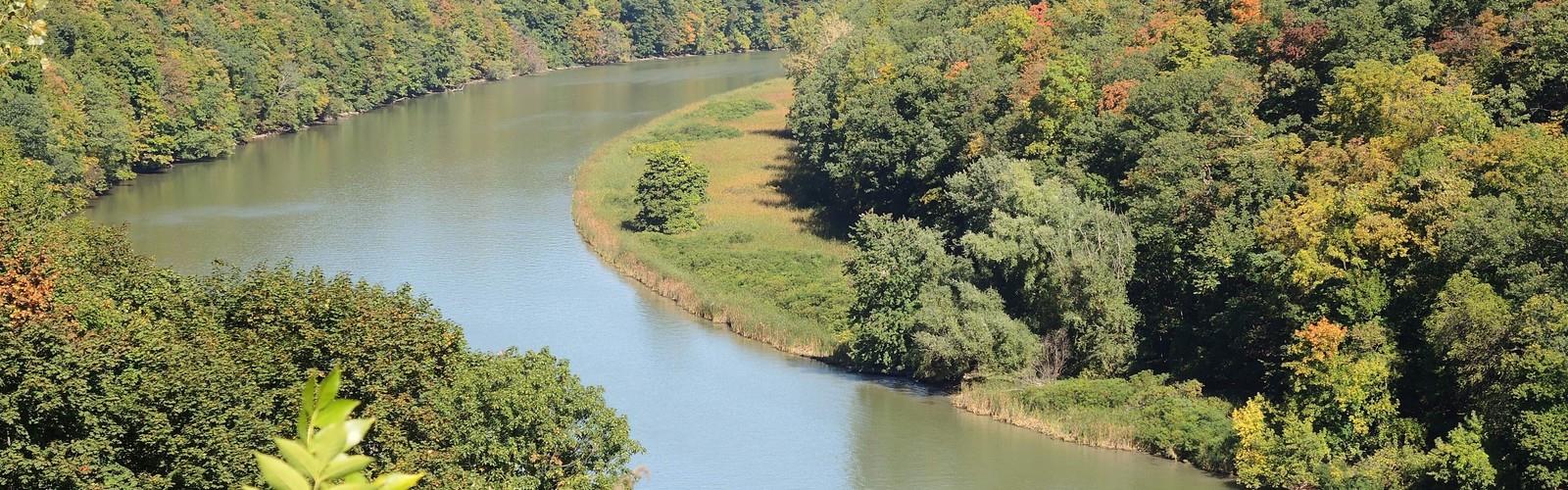

Ready to explore Seneca Park? Here's everything you need to know before you go!
Discover the trail
Oh no! We don't have any photos 😢
This trail hasn't been captured yet. Be the first to share your adventure!Trail description
Seneca Park is one of those places that earns its reputation quietly — no dramatic cliffs, no grueling climbs, just a genuinely pleasant stretch of trails tucked inside the city that delivers more than you'd expect from an urban park. At 3.2 km with only 61 meters of elevation gain, it's an easy outing rated at about 1 hour and 15 minutes, and it delivers exactly what it promises: a relaxed, accessible hike through varied terrain that feels like a real escape without requiring you to drive anywhere remote.
The trail network winds through mature hardwood forest, open meadow sections, and riparian corridors along a creek that runs through portions of the park. That combination — woods, open grassland, and moving water — is what makes Seneca Park more interesting than a simple loop through trees. Within a compact distance, the character of the trail shifts noticeably, which keeps the walk engaging even at an easy pace.
What the Terrain Actually Feels Like
The elevation profile here is gentle throughout. With only 61 meters of total gain spread across 3.2 km, you're looking at gradual undulations rather than any real climbing. The trail follows the natural lay of the land, dipping slightly toward the creek sections and rising gently through the forested areas. Nothing here will challenge your legs — this is a trail where you can hold a conversation the entire time without losing your breath.
The surface is natural and unpaved for most of the route, which means it reads conditions honestly. After rain, some sections near the creek can get muddy, so shoes with decent tread are worth wearing even though full hiking boots aren't necessary. Standard trail runners or athletic shoes with grip handle the terrain well under normal conditions.
The forest canopy is dominated by oak, maple, and hickory — classic northeastern hardwood mix that provides solid shade through the warmer months. The understory stays relatively open in the wooded sections, which makes for easy walking and good sightlines. Where the trail opens into meadow areas, native grasses and wildflowers take over, and the feel shifts completely. Those open stretches are where you're most likely to spot deer, particularly in the early morning or around dusk.
The Creek Sections
The waterway running through the park is one of the trail's best features. Several segments follow alongside the creek closely enough that you're walking with the sound of moving water as a constant backdrop. These riparian zones support noticeably different plant communities than the upland forest — denser vegetation, more moisture-loving species, and a cooler microclimate during summer that makes those sections particularly welcome on warm days.
The creek also draws wildlife that you won't find elsewhere in the park. Great blue herons are spotted here with some regularity, and various waterfowl use the waterway depending on the season. If you slow down and give the area a few minutes of quiet attention, you'll typically see more than you would walking through at a steady pace.
Trail Navigation and Access
The trail system is well-marked and logically laid out, with multiple entry points that let you adjust your route based on how much time you have. Intersections have basic signage to help with orientation, and the network is designed with loop options so you're not retracing your steps. For a first visit, the main trailhead offers the most straightforward access and the most convenient parking.
The paths are wide enough to walk comfortably side by side, which makes this a good choice for groups or families. Trail maintenance is consistent, and the established paths show minimal erosion — a sign that the route has been well-managed over time.
Wildlife and Natural Features
White-tailed deer are the most commonly encountered large wildlife, especially in the meadow sections during low-light hours. Squirrels, chipmunks, and rabbits are a near-constant presence along the trail. The forest sections support a solid variety of songbirds, and the park is worth a visit for birding — particularly during spring migration when activity peaks.
Spring ephemeral wildflowers are one of the seasonal highlights worth timing a visit around. Before the hardwood canopy fully leafs out, the forest floor gets enough light to support trillium, trout lily, and other early bloomers that disappear once the shade closes in. It's a short window, but it's one of the more visually striking things the park offers.
Practical Information
- Distance: 3.2 km
- Elevation gain: 61 m
- Difficulty: Easy
- Estimated time: 1 hour 15 minutes
- Footwear: Athletic shoes or trail runners with good tread; hiking boots not required
- Dogs: Welcome, but must remain leashed at all times
- Entrance fee: None
- Parking: Available at designated areas within the park; the main trailhead lot is the most convenient starting point
- Cell coverage: Generally reliable throughout the trail system
The no-fee access and leashed-dog policy make Seneca Park a practical option for regular use rather than just an occasional destination. Families with kids who are comfortable on natural surfaces will find the terrain appropriate — just keep an eye on younger children near the creek sections where the bank drops toward the water.
Weekend mornings during fall tend to bring the most visitors, when the hardwood color display draws people out in numbers. If you prefer a quieter experience, weekday mornings or late afternoon visits during peak season will give you more of the trail to yourself.
The Essential Hiking Checklist
Everything you need for your next hike. Bilingual, printable, 1 page.
Get your free hiking checklistRecommended gear for this trail
As an Amazon Associate I earn from qualifying purchases.


Ready to go?
Everything you need to know before you goStarting Point
The easiest way to get to the start of the trails at the seneca park in New York is to drive there.
When?
How much?
As an Amazon Associate I earn from qualifying purchases.
Affiliate links — LGPO may earn a commission at no extra cost to you.
- Hiking shoes Essential
- → Salomon Elixir Tour Mid WP · 203.38 $
- Layered clothing Essential
- Rain jacket Essential
- Trekking poles
- → Black Diamond Trail Ergo Cork · 69.99 $
- Headlamp
- → Petzl Actik Core 625 · 103.95 $
FAQ - Frequently asked questions
Everything you need to knowSimilar hikes nearby
Discover other trails you might enjoy
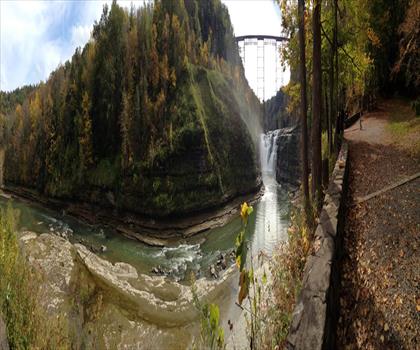
Gorge Trail
Finger Lakes
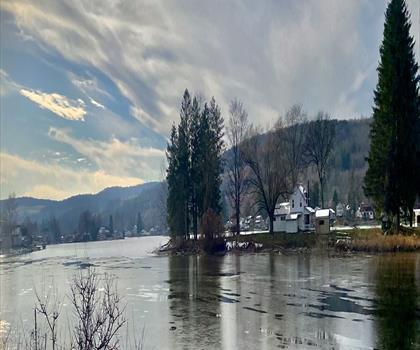
Lower Little York Lake
Finger Lakes
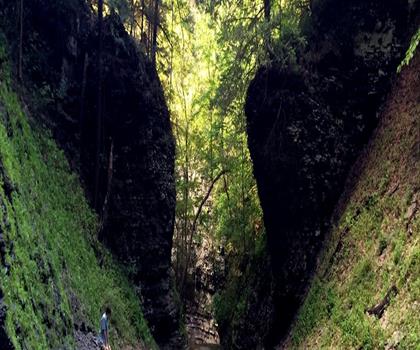
Waterfall on Lick Brook
Finger Lakes
Tracy Lake
Finger Lakes
Seneca Mills Falls
Finger Lakes
Ludlowville Park
Finger Lakes
Hiking near Rochester
0 trails to explore ~6 km away
We work hard to provide the most up-to-date and error-free data possible. If something seems incorrect, let us know! Your contribution helps the whole community.
Hikers' opinions
Be the first to review!
No hiker has shared their experience yet. Share your impressions and help other hikers!