
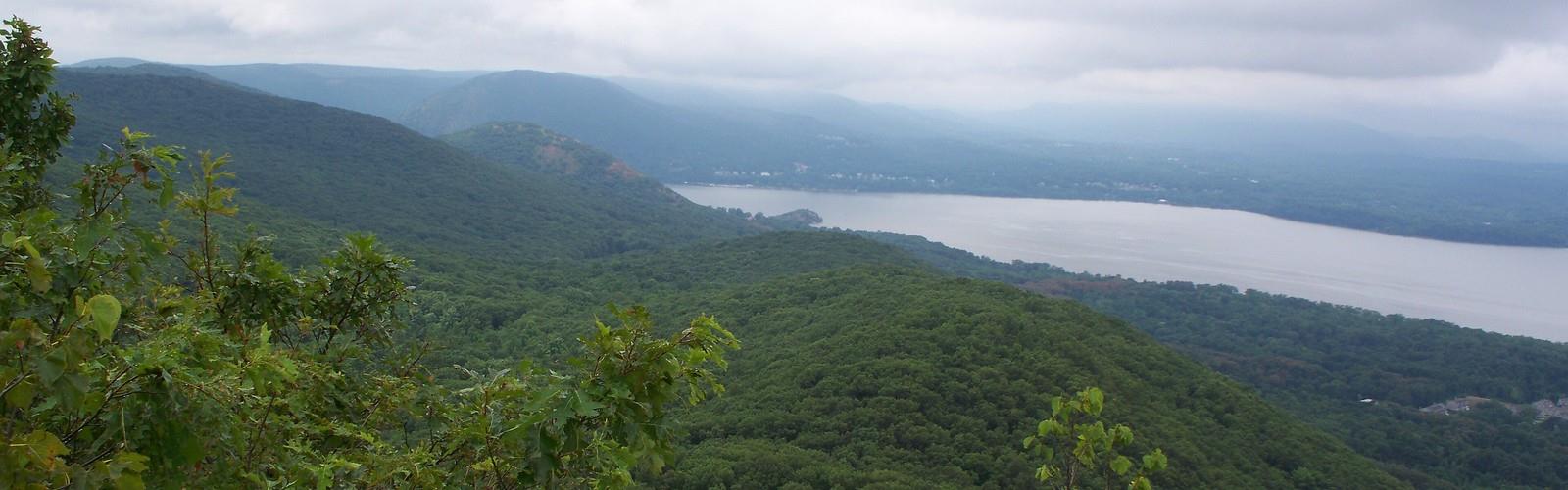

Ready to explore Beacon Mountain? Here's everything you need to know before you go!
Discover the trail
Oh no! We don't have any photos 😢
This trail hasn't been captured yet. Be the first to share your adventure!Trail description
Beacon Mountain delivers one of the Hudson Valley's most rewarding hiking experiences, combining accessible trails with spectacular summit views that showcase the region's natural beauty. This prominent peak rises 1,531 feet above the Hudson River, offering hikers a moderately challenging climb through diverse terrain that culminates in panoramic vistas stretching across the valley and surrounding mountain ranges.
The mountain sits within Hudson Highlands State Park, where well-maintained trails wind through mixed hardwood forests before emerging onto exposed rock ledges near the summit. The hiking experience here strikes an ideal balance between accessibility and adventure, making it equally appealing to families seeking their first mountain summit and experienced hikers looking for a satisfying workout with guaranteed payoffs.
Trail Routes and Navigation
The primary route to Beacon Mountain's summit follows the Red Trail, which begins at the parking area off Route 9D and provides the most direct path to the top. This trail covers approximately 2.4 kilometers with 366 meters of elevation gain, typically requiring about 1.5 hours for the ascent. The path starts gently through dense woodland before steepening considerably as it approaches the upper elevations.
The initial section meanders through mature forest dominated by oak, maple, and hickory trees, with occasional glimpses of the Hudson River through the canopy. As the trail gains elevation, hikers encounter increasingly rocky terrain, including several sections where the path crosses exposed bedrock and requires careful footing, especially when wet.
The upper portion of the Red Trail becomes more demanding, with steep switchbacks leading to the final approach. Here, the forest opens up, revealing the first substantial views and building anticipation for the summit experience. The last few hundred meters involve scrambling over granite slabs and navigating between large boulders, though nothing requiring technical climbing skills.
Alternative routes include the White Trail, which approaches from the north and offers a longer but more gradual ascent, and various connector trails that allow for loop combinations. The Yellow Trail provides access to additional viewpoints along the ridge, extending hiking options for those wanting to explore beyond the main summit.
Summit Experience and Views
Beacon Mountain's summit area consists of expansive granite ledges that create natural viewing platforms overlooking the Hudson Valley. The primary viewpoint faces west across the Hudson River, providing unobstructed views of the Catskill Mountains rising in the distance. On clear days, hikers can identify individual peaks and ridgelines extending far into the horizon.
The summit's open rock surfaces offer multiple vantage points, each revealing different aspects of the surrounding landscape. Looking south, the Hudson River curves through the valley, often dotted with sailboats and occasional larger vessels. The historic West Point Military Academy sits prominently on the opposite shore, its buildings clearly visible from the summit ledges.
To the north and east, the view encompasses the rolling hills and ridges of the Hudson Highlands, with Breakneck Ridge's distinctive profile dominating the northern horizon. The contrast between the developed valley floor and the preserved mountain lands creates a compelling visual narrative of the region's geography and land use patterns.
The summit's granite formations provide comfortable seating areas for extended breaks, making it an ideal spot for lunch or simply absorbing the scenery. The exposed location means wind is common, which can be refreshing during summer climbs but requires additional layers during cooler seasons.
Natural Environment and Wildlife
Beacon Mountain's ecosystems change noticeably with elevation, creating diverse habitats that support varied plant and animal communities. The lower slopes feature typical Hudson Valley hardwood forest, with understory plants including mountain laurel, witch hazel, and various fern species that thrive in the dappled sunlight beneath the canopy.
As elevation increases, the forest composition shifts toward more resilient species adapted to thinner soils and increased exposure. Near the summit, vegetation becomes sparse, with hardy shrubs and specialized plants growing in cracks and crevices within the granite bedrock. These harsh conditions create unique microhabitats that support interesting botanical discoveries for observant hikers.
Wildlife sightings commonly include various songbird species, with hawks and occasionally eagles visible soaring above the ridgelines. The forest supports populations of white-tailed deer, chipmunks, and squirrels, while the rocky areas provide habitat for lizards and various insect species. Early morning and late afternoon hikes offer the best opportunities for wildlife encounters.
The mountain's geological features tell the story of ancient mountain-building processes, with the exposed granite revealing the region's deep geological history. These rock formations create interesting visual textures and provide educational opportunities for understanding how the Hudson Highlands formed over millions of years.
Seasonal Conditions and Planning
Spring hiking on Beacon Mountain brings renewed forest growth and flowing seasonal streams, though trails can be muddy and some higher sections may retain snow patches into April. This season offers excellent opportunities for observing wildflowers and migrating birds, with fewer crowds than peak seasons.
Summer provides the most stable trail conditions and longest daylight hours, ideal for extended explorations or combining Beacon Mountain with other nearby trails. However, the exposed summit can become quite hot during midday hours, making early morning starts advisable. The forest canopy provides welcome shade during the ascent, but hikers should prepare for full sun exposure on the summit ledges.
Fall transforms the mountain into a spectacular display of autumn colors, with the mixed hardwood forest creating brilliant reds, oranges, and yellows. This season typically offers ideal hiking conditions with comfortable temperatures and clear skies, though it also attracts the highest visitor numbers. Parking can become challenging on peak foliage weekends.
Winter hiking requires additional preparation, as trails become snow-covered and potentially icy. Microspikes are often necessary for safe travel, particularly on the steeper upper sections and exposed rock areas. Winter conditions can significantly extend hiking times, but the snow-covered landscape and potential for ice formations create unique scenic opportunities.
Access and Practical Information
The main trailhead for Beacon Mountain is located off Route 9D, with a small parking area that fills quickly during popular periods. Hikers should arrive early, particularly on weekends and during peak foliage season, to ensure parking availability. The parking area provides basic facilities but no water or restrooms.
Water sources along the trail are unreliable, especially during dry periods, making it essential to carry adequate supplies for the entire hike. The moderate distance and elevation gain mean most hikers need at least one liter of water, with additional amounts recommended during hot weather or when extending the hike to explore additional viewpoints.
Weather conditions can change rapidly, particularly on the exposed summit areas where wind speeds increase significantly. Proper layering systems help hikers adapt to temperature variations between the sheltered forest sections and the open summit ledges. Rain can make the rocky sections slippery and potentially dangerous, requiring extra caution or postponement of the hike.
Trail maps are helpful for understanding the various route options and planning potential loop combinations with other trails in the area. While the main Red Trail is well-marked, having navigation tools enhances both safety and the ability to explore alternative routes or extend the hiking experience to nearby peaks and viewpoints.
The Essential Hiking Checklist
Everything you need for your next hike. Bilingual, printable, 1 page.
Get your free hiking checklistRecommended gear for this trail
As an Amazon Associate I earn from qualifying purchases.


Ready to go?
Everything you need to know before you goStarting Point
The trails at the beacon mountain in New York can be accessed from the parking lot on Route 9D.
When?
How much?
As an Amazon Associate I earn from qualifying purchases.
Affiliate links — LGPO may earn a commission at no extra cost to you.
- Hiking shoes Essential
- → Salomon Elixir Tour Mid WP · 203.38 $
- Layered clothing Essential
- Rain jacket Essential
- Trekking poles
- → Black Diamond Trail Ergo Cork · 69.99 $
- Headlamp
- → Petzl Actik Core 625 · 103.95 $
FAQ - Frequently asked questions
Everything you need to knowSimilar hikes nearby
Discover other trails you might enjoy
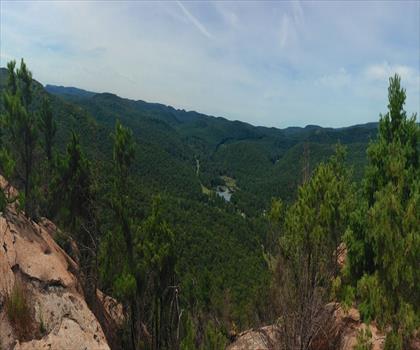
West Mountain
Hudson Valley

Witches Hole
Hudson Valley
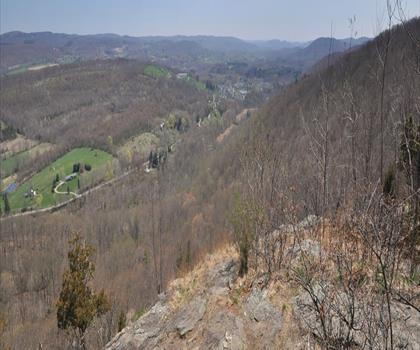
Appalachian Trail
Hudson Valley
Little Dam Lake
Hudson Valley
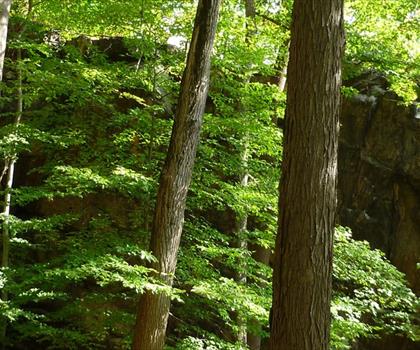
Raven's Rock
Hudson Valley
Sterling Forest Fire Tower
Hudson Valley
Hiking near Poughkeepsie
0 trails to explore ~24 km away
We work hard to provide the most up-to-date and error-free data possible. If something seems incorrect, let us know! Your contribution helps the whole community.
Hikers' opinions
Be the first to review!
No hiker has shared their experience yet. Share your impressions and help other hikers!