

Ready to explore Black Rock Forest? Here's everything you need to know before you go!
Discover the trail
Trail description
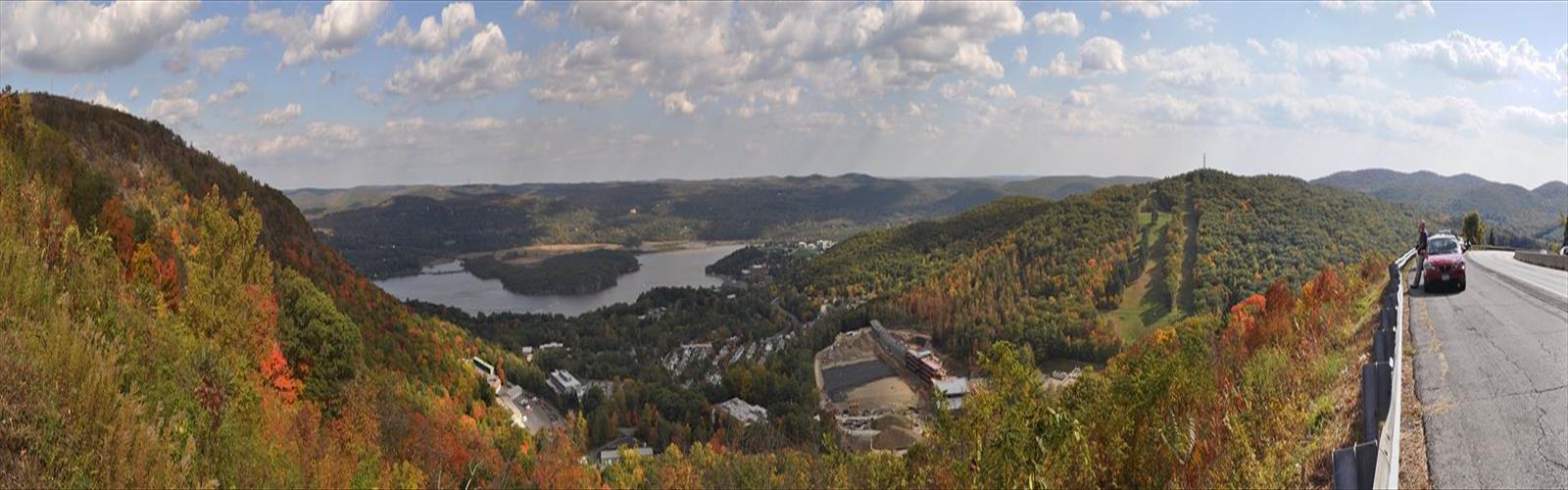
Black Rock Forest is a protected natural area located in the Hudson Valley region of New York State, just west of the Hudson River. Managed as both a scientific research reserve and a public hiking destination, it offers a rare combination of wild terrain and well-maintained trail access. Whether you're looking for a solid half-day hike or want to string together a longer outing, the forest delivers a genuinely rewarding experience without the crowds you'd find at more heavily trafficked Hudson Valley spots.
The Terrain
The forest covers rugged highland terrain typical of the Hudson Highlands, with rocky ridgelines, mixed hardwood and conifer forest, and several ponds and wetland areas tucked into the landscape. Elevation changes are real but manageable — with about 300 meters of elevation gain across the trail network, you'll feel the climbs without being overwhelmed by them. The trails wind through a landscape shaped by glacial activity, with exposed bedrock, boulder fields, and views that open up as you gain elevation.
The trail network totals approximately 35 kilometers, giving hikers plenty of options to mix and match routes depending on how much time and energy they have. Difficulty is rated moderate overall, though individual sections can feel more challenging depending on the route you choose and the conditions underfoot.
What to Expect on the Trail
Trails here are generally well-marked and maintained, but the terrain is natural and ungroomed — expect roots, rocks, and uneven footing throughout. Good footwear matters. The forest floor stays damp in spring and after rain, so trail conditions can vary significantly by season.
Because Black Rock Forest functions as an active research reserve, the environment is taken seriously. Visitors are expected to stay on marked trails and respect the natural surroundings. This isn't a heavily developed recreation area — there are no paved paths or interpretive kiosks at every turn, which is honestly part of the appeal. You're out in the woods, not a park.
The mix of habitats — upland forest, rocky summits, ponds, and stream corridors — means wildlife sightings are common. The forest supports a diverse range of bird species, making it a worthwhile destination for birders as well as hikers.
Trail Duration
Estimated hiking time varies by trail. With 35 kilometers of trails to choose from, you can put together anything from a focused two-hour loop to a full-day exploration of the ridge system. Plan your route in advance and factor in the elevation changes, especially if you're bringing kids or less experienced hikers.
Getting There and Access
Black Rock Forest is located in the Hudson Valley, New York. Access to the trailhead and parking areas should be confirmed before your visit, as the forest's status as a research reserve means access policies can be subject to change. Check directly with the Black Rock Forest Consortium for current visitor information, parking details, and any seasonal restrictions before heading out.
Tips Before You Go
- Footwear: Wear proper hiking boots — the rocky, rooted terrain is not suitable for trail runners or casual sneakers.
- Navigation: Download a trail map before you go. Cell service in the forest can be unreliable.
- Water: Bring more than you think you need, especially on warmer days or longer routes.
- Leave No Trace: As a research reserve, Black Rock Forest holds its natural integrity to a high standard. Pack out everything you bring in.
- Check access policies: Visitor rules, permitted activities, and seasonal closures are managed by the Black Rock Forest Consortium — confirm current conditions before your visit.
Why It's Worth the Trip
Black Rock Forest stands out in the Hudson Valley hiking scene because it hasn't been over-developed or over-marketed. The trail network is extensive enough to keep repeat visitors discovering new ground, the terrain is genuinely interesting, and the forest's protected status means the environment stays in good shape. If you want a Hudson Valley hike that feels like real backcountry without requiring a multi-day commitment, this is a strong option.
The Essential Hiking Checklist
Everything you need for your next hike. Bilingual, printable, 1 page.
Get your free hiking checklistRecommended gear for this trail
As an Amazon Associate I earn from qualifying purchases.


Ready to go?
Everything you need to know before you goStarting Point
The best way to get to the start of the trails at the Black Rock Forest is to take the Palisades Interstate Parkway to the Bear Mountain Bridge. Once you cross the bridge, take the first exit (Route 9W) and follow it until you reach the entrance to the forest.
When?
How much?
As an Amazon Associate I earn from qualifying purchases.
Affiliate links — LGPO may earn a commission at no extra cost to you.
- Hiking shoes Essential
- → Salomon Elixir Tour Mid WP · 203.38 $
- Layered clothing Essential
- Rain jacket Essential
- Trekking poles
- → Black Diamond Trail Ergo Cork · 69.99 $
- Headlamp
- → Petzl Actik Core 625 · 103.95 $
FAQ - Frequently asked questions
Everything you need to knowSimilar hikes nearby
Discover other trails you might enjoy
West Mountain
Hudson Valley

Witches Hole
Hudson Valley
Appalachian Trail
Hudson Valley
Little Dam Lake
Hudson Valley
Raven's Rock
Hudson Valley
Sterling Forest Fire Tower
Hudson Valley
Hiking near Poughkeepsie
0 trails to explore ~32 km away
We work hard to provide the most up-to-date and error-free data possible. If something seems incorrect, let us know! Your contribution helps the whole community.
Hikers' opinions
Be the first to review!
No hiker has shared their experience yet. Share your impressions and help other hikers!