

Ready to explore Diamond Mountain? Here's everything you need to know before you go!
Discover the trail
Trail description
Diamond Mountain rises from the heart of the Hudson Valley, offering hikers a rewarding climb through diverse terrain to panoramic views that showcase one of New York's most scenic regions. This well-established hiking destination attracts outdoor enthusiasts with its combination of accessible trails, rich wildlife, and the kind of summit views that make the 457-meter elevation gain feel worthwhile.
The Hiking Experience
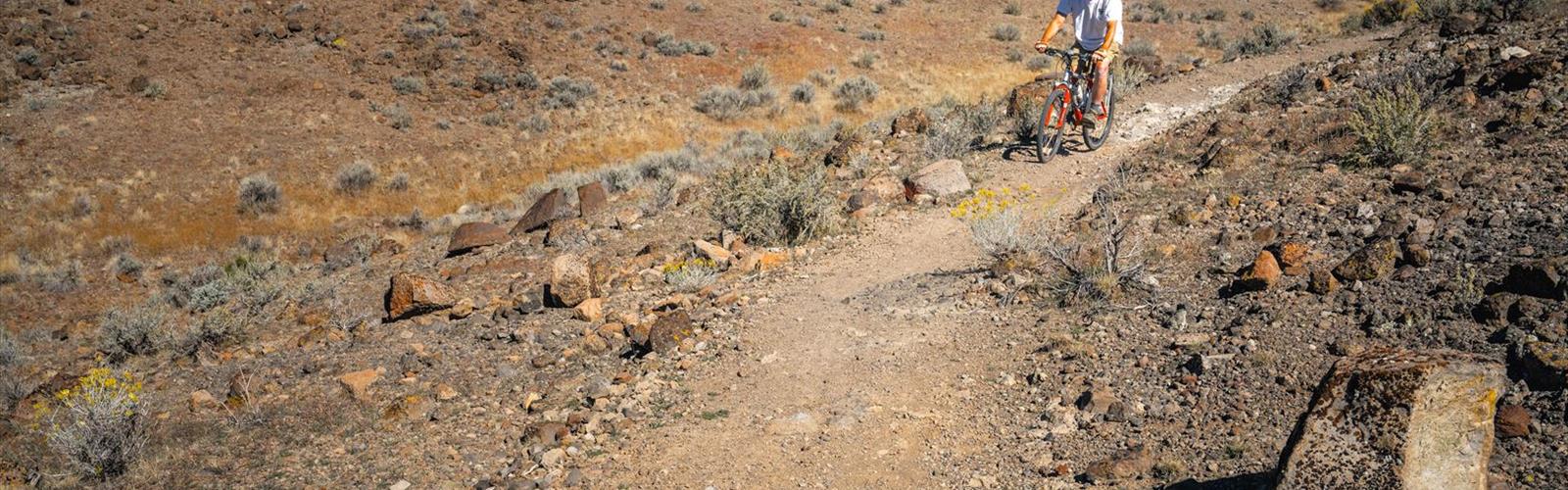
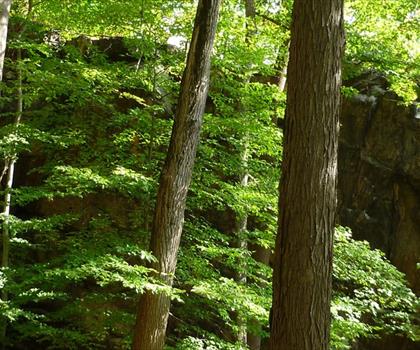
The mountain features well-marked trails that accommodate hikers of varying experience levels, from newcomers to seasoned trekkers. The path winds steadily upward through dense forests where the canopy provides welcome shade during warmer months. As you climb, the terrain shifts from gentle slopes near the base to more challenging sections that require steady footing and moderate endurance.
Plan for 4 to 5 hours to complete the hike, which allows time to appreciate the changing scenery and take breaks at scenic overlooks along the way. The trail surface varies from packed earth to rocky sections, particularly as you approach the summit, making sturdy hiking boots essential for safe navigation.
Summit Views and Landscape
The summit of Diamond Mountain delivers the kind of panoramic vistas that define Hudson Valley hiking. From this elevated vantage point, the landscape unfolds in layers of rolling hills covered in dense woodlands that stretch to the horizon. The shimmering waters of the Hudson River wind through the valley below, creating a natural focal point that changes character with the light throughout the day.
The summit area provides an ideal spot for a picnic lunch or simply to rest and absorb the tranquil atmosphere. The open space at the top contrasts beautifully with the enclosed forest environment of the ascent, offering hikers a sense of accomplishment and connection to the broader Hudson Valley region.
Wildlife and Natural Features
The diverse ecosystem surrounding Diamond Mountain supports a variety of wildlife that adds interest to any hike. White-tailed deer frequently appear along the trails, particularly during early morning or late afternoon hours. Red foxes inhabit the area, though sightings require patience and quiet observation. The mountain's forests host numerous bird species, making it an excellent destination for both casual nature observation and serious birding.
Seasonal changes dramatically alter the mountain's character. Spring brings wildflowers that create vibrant splashes of color throughout the forest understory, transforming the landscape into what many photographers consider ideal conditions for nature photography. Summer offers full canopy coverage and the most active wildlife viewing opportunities. Fall delivers the spectacular foliage displays that make Hudson Valley famous, while winter hiking reveals the mountain's stark beauty and provides clear views through bare branches.
Trail Conditions and Preparation
Before setting out for Diamond Mountain, check current trail conditions and weather forecasts, as conditions can change rapidly and affect both safety and enjoyment. The trail can become muddy and slippery during wet periods, particularly in the steeper sections near the summit.
Essential gear includes sturdy hiking boots with good traction, as the varied terrain demands reliable footwear. Bring plenty of water and high-energy snacks to maintain stamina during the 4 to 5-hour journey. The elevation gain of 457 meters, while moderate, requires steady effort and adequate hydration.
Weather can change quickly at elevation, so pack layers even during seemingly stable conditions. A light rain jacket proves valuable during unexpected weather shifts, and extra clothing becomes important if you plan to spend extended time at the summit.
Conservation and Trail Etiquette
Diamond Mountain's continued appeal depends on responsible hiking practices. Follow Leave No Trace principles by packing out all trash and food waste. Stay on designated trails to prevent erosion and protect the surrounding vegetation that supports local wildlife populations.
The mountain's ecosystem remains sensitive to human impact, particularly in areas where wildflowers bloom and wildlife congregate. Observe animals from a respectful distance and avoid disturbing their natural behaviors. Photography opportunities abound, but resist the temptation to approach wildlife closely or venture off-trail for better angles.
Seasonal Considerations
Each season offers distinct advantages for hiking Diamond Mountain. Spring hiking coincides with wildflower blooms and active wildlife, though trail conditions may include muddy sections from snowmelt and spring rains. Summer provides the most stable weather and longest daylight hours, ideal for leisurely summit breaks and extended nature observation.
Fall attracts many visitors seeking foliage views, making early starts advisable for those preferring quieter trail experiences. The autumn colors visible from the summit create some of the year's most spectacular photography opportunities. Winter hiking requires additional preparation and experience with cold-weather conditions, but rewards prepared hikers with solitude and crystal-clear views across the snow-covered valley.
The mountain's location in the Hudson Valley provides easy access to additional outdoor recreation opportunities, making it an excellent anchor point for extended outdoor adventures in this historically and naturally rich region of New York.
The Essential Hiking Checklist
Everything you need for your next hike. Bilingual, printable, 1 page.
Get your free hiking checklistRecommended gear for this trail
As an Amazon Associate I earn from qualifying purchases.


Ready to go?
Everything you need to know before you goStarting Point
The diamond mountain trails are located in the town of Diamond Point, New York. To get to the start of the trails, take NY-9N north from Saratoga Springs. The trailhead is located on the left side of the road, just past the intersection with Diamond Point Road.
When?
How much?
As an Amazon Associate I earn from qualifying purchases.
Affiliate links — LGPO may earn a commission at no extra cost to you.
- Hiking shoes Essential
- → Salomon Elixir Tour Mid WP · 203.38 $
- Layered clothing Essential
- Rain jacket Essential
- Trekking poles
- → Black Diamond Trail Ergo Cork · 69.99 $
- Headlamp
- → Petzl Actik Core 625 · 103.95 $
FAQ - Frequently asked questions
Everything you need to knowSimilar hikes nearby
Discover other trails you might enjoy
West Mountain
Hudson Valley

Witches Hole
Hudson Valley
Appalachian Trail
Hudson Valley
Little Dam Lake
Hudson Valley
Raven's Rock
Hudson Valley

Sterling Forest Fire Tower
Hudson Valley
Hiking near Newark
0 trails to explore ~50 km away
We work hard to provide the most up-to-date and error-free data possible. If something seems incorrect, let us know! Your contribution helps the whole community.
Hikers' opinions
Be the first to review!
No hiker has shared their experience yet. Share your impressions and help other hikers!