


Ready to explore Old Croton Aqueduct State Park Trailway? Here's everything you need to know before you go!
Discover the trail
Oh no! We don't have any photos 😢
This trail hasn't been captured yet. Be the first to share your adventure!Trail description
The Old Croton Aqueduct State Park Trailway follows the path of a 19th-century engineering marvel through 26 miles of Hudson Valley countryside, from Yonkers north to Croton-on-Hudson. What makes this trail special isn't just its rich history as New York City's first major water supply system, but how seamlessly it weaves together historic sites, charming river towns, and surprisingly wild stretches of woodland—all on a nearly flat, accessible path that welcomes hikers of every ability level.
The trail runs along the buried aqueduct that once carried millions of gallons of fresh water daily from the Croton River to Manhattan. Today, you'll walk above this hidden infrastructure on a wide, well-maintained dirt and gravel path that feels more like a peaceful country lane than a busy recreational trail. The gentle grade—the original engineers needed to maintain a steady downhill flow—means you can focus on the scenery and history rather than catching your breath.
What You'll Experience on the Trail
The trailway's character shifts dramatically as you move between sections. In some stretches, you'll find yourself walking through dense woodlands where the only sounds are birdsong and rustling leaves. These forested sections feel surprisingly remote despite being just miles from major highways and suburban neighborhoods. The canopy overhead creates a natural tunnel effect, with dappled sunlight filtering through oak, maple, and hickory trees.
Other portions of the trail emerge into open meadows or run alongside residential areas in historic river towns like Irvington and Tarrytown. Here, you'll catch glimpses of elegant 19th-century homes and manicured gardens, offering a window into how Hudson Valley communities have evolved around this linear park. The contrast between wild and civilized spaces happens gradually, making each transition feel natural rather than jarring.
Throughout your hike, you'll encounter fascinating remnants of the original aqueduct system. Stone ventilators rise from the ground like mysterious monuments, marking where engineers created air shafts for the tunnel below. These circular stone structures, some decorated with ornate ironwork, appear every few miles and serve as tangible connections to the trail's engineering heritage. You'll also discover stone weirs and other water management features that hint at the sophisticated infrastructure hidden beneath your feet.
Historic Landmarks and Side Trips
The trail's northern terminus near Croton-on-Hudson offers some of its most impressive historic sites. The massive Croton Dam, completed in 1842, created the reservoir that fed the entire aqueduct system. The dam's imposing stone facade and the peaceful reservoir behind it provide a dramatic endpoint for longer hikes. Croton Gorge Park, located near the dam, offers additional trails and picnic areas if you want to extend your visit.
For those interested in architecture and local history, the trail provides easy access to several notable landmarks. Lyndhurst Mansion in Tarrytown, a Gothic Revival masterpiece overlooking the Hudson River, sits just a short detour from the main trail. The mansion's elaborate towers and manicured grounds offer a striking contrast to the natural surroundings of the aqueduct path.
In Yonkers, the southern end of the trail connects with various historic houses and neighborhoods that showcase the area's development from rural farmland to suburban community. These sites add cultural depth to what might otherwise be simply a nature walk, helping you understand how the aqueduct shaped the growth of Westchester County.
Wildlife and Natural Features
The trail's diverse habitats support an impressive variety of wildlife, especially considering its proximity to urban areas. Birdwatchers will find plenty to observe, from common woodland species like cardinals, blue jays, and woodpeckers to seasonal migrants that use the corridor during spring and fall movements. The mixed forest environment provides ideal conditions for spotting different species throughout the year.
Native wildflowers bloom along the trail edges from spring through fall, with particularly impressive displays during May and June. Trilliums, wild ginger, and jack-in-the-pulpit thrive in the shaded woodland sections, while sunny openings support black-eyed Susans, goldenrod, and native asters. The changing seasons bring dramatic transformations to the landscape, with spring's fresh green growth giving way to summer's lush canopy and fall's spectacular foliage display.
Planning Your Visit
Multiple access points along the 26-mile route make it easy to customize your hike based on available time and energy. You can tackle short 2-3 mile sections for a quick nature escape or plan longer adventures covering 10-15 miles. The trail's flat terrain and good footing make it suitable for families with children, though the 4-5 hour duration for longer sections requires some preparation.
Parking areas are available at various points along the route, though some require a bit of local knowledge to locate. Check current maps and guides before your visit to identify the most convenient access points for your planned route. Street parking in towns like Tarrytown and Irvington provides additional options, especially for shorter walks.
The trail remains accessible year-round, but each season offers distinct advantages. Spring brings wildflower blooms and migrating birds, while summer provides full canopy cover and the most comfortable walking conditions. Fall delivers the Hudson Valley's famous foliage display, and winter offers peaceful solitude with bare trees revealing views that remain hidden during leafy months.
Pack water and snacks for longer hikes, as services along the trail are limited outside of the towns. Comfortable walking shoes with good tread work well on the generally smooth surface, though waterproof footwear can be helpful after rain when some sections may be muddy. The wide, well-maintained path makes this trail particularly welcoming for hikers who might find more rugged terrain challenging, while still offering enough natural beauty and historic interest to satisfy experienced outdoor enthusiasts.
The Essential Hiking Checklist
Everything you need for your next hike. Bilingual, printable, 1 page.
Get your free hiking checklistRecommended gear for this trail
As an Amazon Associate I earn from qualifying purchases.


Ready to go?
Everything you need to know before you goStarting Point
The old croton aqueduct state park trailway is located in New York. To get to the start of the trails, take the Metro-North Railroad to the Ossining station. From there, it is a short walk to the park.
When?
How much?
As an Amazon Associate I earn from qualifying purchases.
Affiliate links — LGPO may earn a commission at no extra cost to you.
- Hiking shoes Essential
- → Salomon Elixir Tour Mid WP · 203.38 $
- Layered clothing Essential
- Rain jacket Essential
- Trekking poles
- → Black Diamond Trail Ergo Cork · 69.99 $
- Headlamp
- → Petzl Actik Core 625 · 103.95 $
FAQ - Frequently asked questions
Everything you need to knowSimilar hikes nearby
Discover other trails you might enjoy
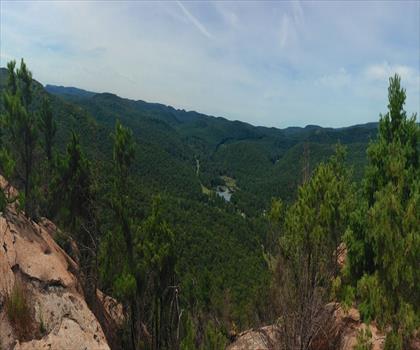
West Mountain
Hudson Valley

Witches Hole
Hudson Valley
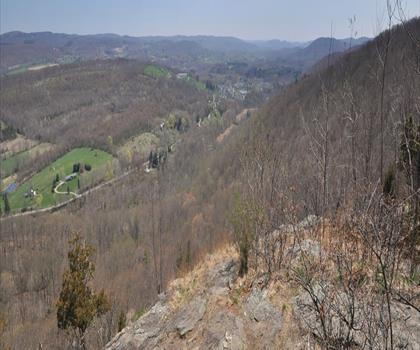
Appalachian Trail
Hudson Valley
Little Dam Lake
Hudson Valley
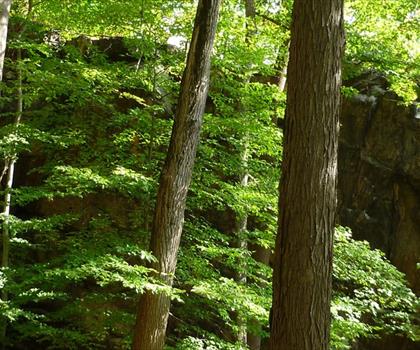
Raven's Rock
Hudson Valley
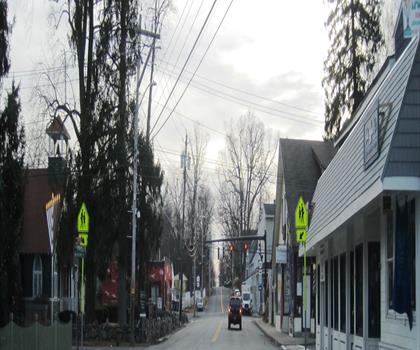
Sterling Forest Fire Tower
Hudson Valley
Hiking near New York City
0 trails to explore ~35 km away
We work hard to provide the most up-to-date and error-free data possible. If something seems incorrect, let us know! Your contribution helps the whole community.
Hikers' opinions
Be the first to review!
No hiker has shared their experience yet. Share your impressions and help other hikers!