

Ready to explore West Trapps Trailhead? Here's everything you need to know before you go!
Discover the trail
Trail description
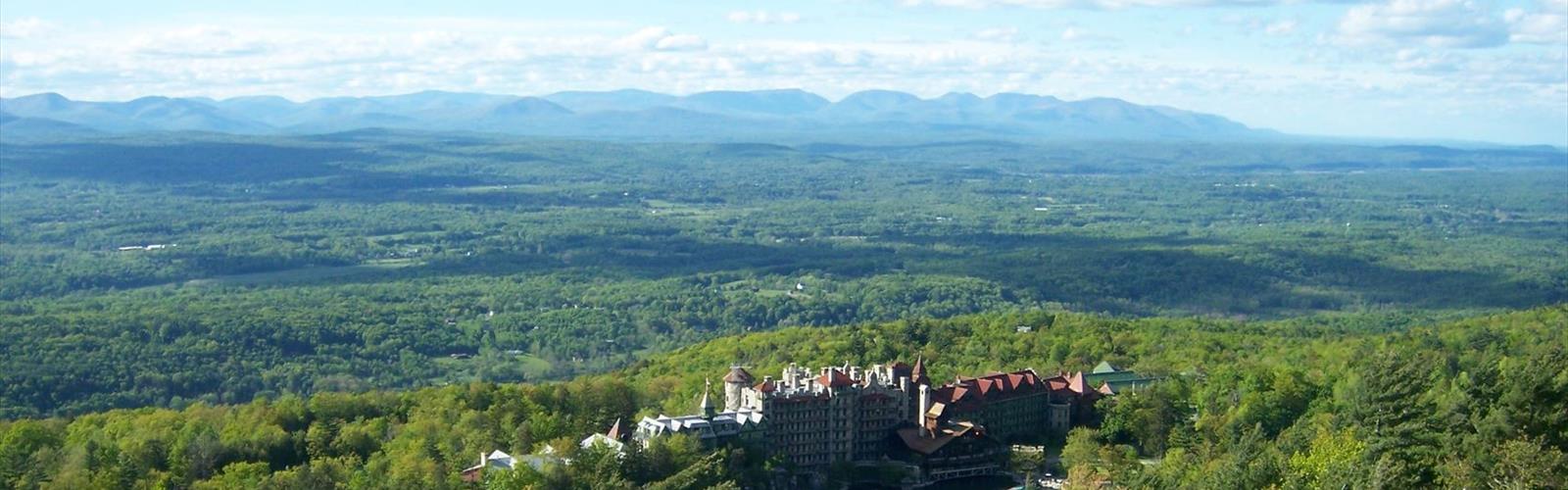
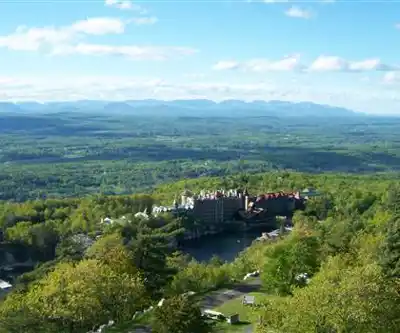
The West Trapps Trailhead serves as the primary gateway into the legendary Shawangunk Ridge, affectionately known as "The Gunks" among climbers and hikers. Located in New York's Hudson Valley region, this trailhead opens up access to some of the Northeast's most spectacular cliff-top hiking and world-renowned rock climbing. The area sits within the Mohonk Preserve, where dramatic white conglomerate cliffs rise abruptly from forested valleys, creating a landscape that feels almost otherworldly compared to the surrounding Hudson Valley farmland.
What makes West Trapps particularly compelling is its dual nature as both a hiking destination and a climbing mecca. The unique geology here consists of Shawangunk conglomerate—a hard, quartzite rock formation that provides exceptional friction for climbers while creating the dramatic cliff faces that define the region's character. These same cliffs offer hikers sweeping panoramic views across the Hudson Valley, with vistas stretching from the Catskill Mountains to the east and the rolling hills of Sullivan County to the west.
Trail Network and Hiking Options
The trail system radiating from West Trapps caters to every level of hiking experience, from families seeking gentle walks to serious hikers looking for challenging terrain. The Undercliff/Overcliff Loop represents the area's most accessible option—a relatively easy circuit that delivers impressive rewards for minimal effort. This trail takes you along the base of the cliffs before climbing up to the cliff tops, where the landscape opens into a series of exposed rock ledges and stunted pitch pine forests shaped by wind and weather.
For those seeking more substantial elevation gain and distance, the Millbrook Mountain Trail presents a more demanding challenge. This route climbs steadily through mixed hardwood forests before emerging onto the open summit, where 360-degree views reward your efforts. The summit experience here differs markedly from typical Northeastern peaks—instead of a forested mountaintop, you'll find yourself on a broad expanse of exposed bedrock dotted with hardy vegetation adapted to the harsh conditions.
The West Trapps Connector Trail extends your hiking possibilities by linking to Minnewaska State Park Preserve, effectively connecting two major trail networks. This route takes you across the picturesque Rhododendron Bridge and onto Laurel Ledge Road, a historic carriage road that offers gentler grades and wider paths. Along this route, you'll catch glimpses of the distinctive Skytop Tower in the distance, a castle-like structure that serves as a landmark visible from many points throughout the Gunks.
Rock Climbing Heritage
West Trapps holds legendary status in the climbing world, with over 1,000 established routes carved into the Shawangunk conglomerate cliffs. The rock quality here is exceptional—the quartz pebbles embedded in the conglomerate create a surface that provides remarkable friction, allowing climbers to attempt moves that would be impossible on other rock types. Routes range from beginner-friendly climbs perfect for those new to outdoor climbing to expert-level challenges that have tested generations of elite climbers.
The climbing culture at the Gunks runs deep, with a rich history dating back to the 1930s. Many fundamental techniques and safety practices in American rock climbing were developed and refined on these cliffs. Even if you're not a climber yourself, watching the activity from the hiking trails above provides fascinating insight into this vertical world, as climbers navigate the overhanging walls and technical face climbs that make the Gunks famous worldwide.
Natural Environment and Wildlife
The ecosystem around West Trapps reflects the unique conditions created by the cliff environment. The exposed rock ledges support specialized plant communities, including rare species adapted to the thin soils and extreme weather conditions found on the cliff tops. Pitch pine and scrub oak dominate the ridgetop forests, their gnarled forms sculpted by constant wind and periodic ice storms.
Wildlife viewing opportunities abound, particularly for bird enthusiasts. The cliffs provide nesting sites for peregrine falcons, turkey vultures, and various hawk species that use the thermals rising from the valley floor for effortless soaring. The diverse habitats—from cliff faces to dense forests to open meadows—support a wide range of wildlife, making every hike an opportunity for unexpected encounters.
Planning Your Visit
Before setting out, stop at the Mohonk Preserve Visitor Center to check current trail conditions and obtain any necessary permits or pay required fees. The preserve operates as a private, non-profit conservation organization, and day-use fees help maintain the extensive trail network and protect the fragile cliff-top ecosystems.
Parking is available at the Mohonk Preserve Visitor Center, with additional designated parking areas near the trailhead. For those planning to explore multiple trails or visit nearby attractions in New Paltz, consider the parking options near the Labyrinth Trail for convenient access to different parts of the trail network.
The hiking here demands proper preparation, particularly regarding water and weather protection. The exposed cliff tops offer little shelter from sun, wind, or sudden weather changes, and the rocky terrain can be demanding on feet and ankles. Sturdy hiking boots with good ankle support are essential, and bringing more water than you think you'll need is always wise—the combination of elevation, exposure, and physical exertion can lead to rapid dehydration.
Weather conditions can change rapidly on the exposed ridgetops, so check forecasts carefully and be prepared for conditions that may differ significantly from those in the valley below. The estimated duration for most hikes from West Trapps ranges from 3 to 4 hours, though this can vary considerably depending on your chosen route and how much time you spend enjoying the spectacular viewpoints.
Access and Location
West Trapps sits just 90 miles north of New York City, making it easily accessible for day trips from the metropolitan area. The trailhead is reached via Route 44/55, with clear signage directing visitors to the preserve entrance and parking areas. This proximity to major population centers, combined with the area's exceptional natural beauty and recreational opportunities, makes West Trapps a popular destination, particularly on weekends during peak hiking seasons.
The Essential Hiking Checklist
Everything you need for your next hike. Bilingual, printable, 1 page.
Get your free hiking checklistRecommended gear for this trail
As an Amazon Associate I earn from qualifying purchases.


Ready to go?
Everything you need to know before you goStarting Point
The easiest way to get to the start of the trails at the west trapps trailhead is to drive to Mohonk Preserve Visitor Center and park in the lot. From there, you can walk or take the shuttle to the start of the trails.
When?
How much?
As an Amazon Associate I earn from qualifying purchases.
Affiliate links — LGPO may earn a commission at no extra cost to you.
- Hiking shoes Essential
- → Salomon Elixir Tour Mid WP · 203.38 $
- Layered clothing Essential
- Rain jacket Essential
- Trekking poles
- → Black Diamond Trail Ergo Cork · 69.99 $
- Headlamp
- → Petzl Actik Core 625 · 103.95 $
FAQ - Frequently asked questions
Everything you need to knowSimilar hikes nearby
Discover other trails you might enjoy
West Mountain
Hudson Valley

Witches Hole
Hudson Valley
Appalachian Trail
Hudson Valley
Little Dam Lake
Hudson Valley
Raven's Rock
Hudson Valley
Sterling Forest Fire Tower
Hudson Valley
Hiking near Poughkeepsie
0 trails to explore ~23 km away
We work hard to provide the most up-to-date and error-free data possible. If something seems incorrect, let us know! Your contribution helps the whole community.
Hikers' opinions
Be the first to review!
No hiker has shared their experience yet. Share your impressions and help other hikers!