
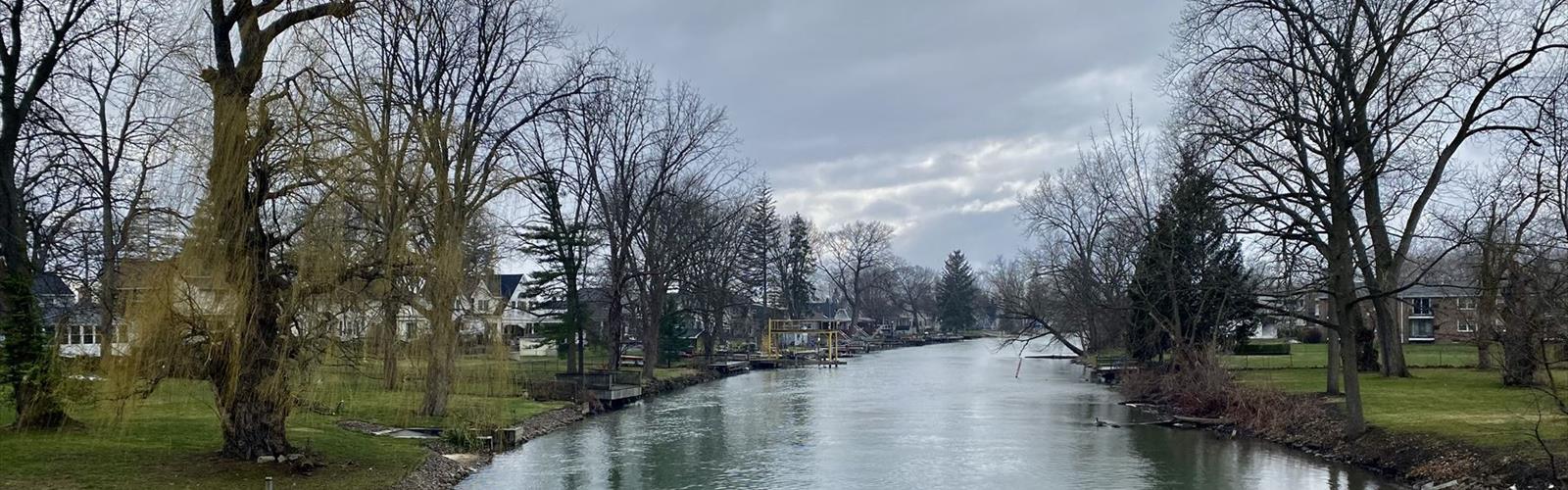

Ready to explore Buckhorn Island State Park? Here's everything you need to know before you go!
Discover the trail
Trail description
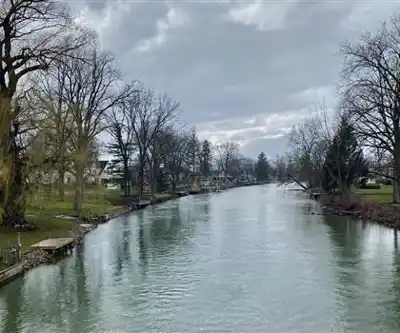
Buckhorn Island State Park sits on the northern tip of Grand Island in the Niagara River, offering a genuinely quiet escape just minutes from one of the world's most visited natural landmarks. At 895 acres, the park feels completely removed from the tourist energy surrounding Niagara Falls, with a landscape that blends wetlands, woodlands, and open meadows into something worth exploring on its own terms — not just as a side trip.
The trail network covers approximately 9 kilometers of mostly flat terrain, with only about 1 meter of elevation gain across the entire system. That makes this an easy outing accessible to hikers of all fitness levels, and the estimated 2 hours and 15 minutes of trail time gives you enough distance to feel like you've actually been somewhere. The flat profile means your attention stays on what's around you rather than on your footing or your breathing.
Terrain and Trail Character
What makes hiking here interesting isn't challenge — it's variety. The trail system moves you through three distinctly different environments, and the transitions between them are part of what makes the experience feel complete.
In the wooded sections, the path runs on packed earth between mature trees, with a canopy that filters light and keeps things cooler in summer. These stretches feel secluded in a way that's easy to appreciate given how close you are to developed areas. The trails stay relatively dry after rain, which makes them reliable for most of the hiking season.
The wetland portions are the most distinctive part of the park. Elevated boardwalks and viewing platforms put you directly over the marsh without disturbing the habitat below. This is where the pace naturally slows — there's always something moving in the reeds or the shallow water, and the open sightlines across the wetland give the landscape a different scale than the wooded sections.
Open meadow areas connect the other sections and offer the longest views in the park. These stretches are more exposed to wind, but they're also where you're most likely to spot larger wildlife moving through, and the light in the late afternoon hits the tall grasses in a way that makes them worth lingering in.
Wildlife and Birding
The park's position along the Niagara River puts it directly in the path of migratory bird movement, and the diversity of habitats concentrates species in ways that make wildlife watching genuinely productive here. Herons and egrets work the wetland shallows regularly, and bald eagles — which have made a strong comeback in this region — are a realistic sighting, either soaring above the river or perched in tall trees along the shoreline.
Each habitat type draws different species. The woodland sections attract songbirds and smaller forest species. The meadows are hunting grounds for raptors. The wetlands host waterfowl and wading birds alongside the full range of marsh-dependent species. Spring and fall migrations bring the highest diversity, but the park rewards visits year-round for those willing to look carefully.
River Access and Water Activities
Several access points along the Niagara River shoreline open up options beyond the trail system. Designated fishing areas give anglers spots to work the river, which supports a diverse fish population. The park also accommodates small watercraft, and the relatively gentle currents in this section of the river make it suitable for kayaking.
Paddling from the park gives you a completely different perspective — views back toward the island's wooded shoreline and across to the mainland that you simply can't get from the trails. Water levels and current conditions vary seasonally, so checking before you launch is worth the few minutes it takes.
Picnic Areas and Facilities
Picnic areas are scattered throughout the park, with many positioned to take advantage of river views or quiet woodland settings. These spots work well for extending a hike into a longer outing, or for families who want to combine trail time with a more relaxed pace. The flat terrain and accessible trail design make the park practical for a wide range of visitors, including those who want a shorter nature walk rather than the full 9-kilometer network.
Nearby Options and Regional Context
Buckhorn Island State Park sits alongside Beaver Island State Park on Grand Island, which is managed by the National Audubon Society and offers additional recreational options including golf and beach access. For more walking and wildlife viewing in the area, Burnt Ship Creek along East River Road provides additional scenic opportunities worth combining with a visit here.
The park's real value in the regional context is the contrast it offers. The Niagara River here is quiet, marshy, and full of life — a completely different experience from the thundering falls just downstream. If you're spending time in the Niagara Falls area, this park is the place to come when you want to trade crowds for something slower and more attentive.
The Essential Hiking Checklist
Everything you need for your next hike. Bilingual, printable, 1 page.
Get your free hiking checklistRecommended gear for this trail
As an Amazon Associate I earn from qualifying purchases.


Ready to go?
Everything you need to know before you goStarting Point
The easiest way to get to the start of the trails at the buckhorn island state park in New York is to drive there.
When?
How much?
As an Amazon Associate I earn from qualifying purchases.
Affiliate links — LGPO may earn a commission at no extra cost to you.
- Hiking shoes Essential
- → Salomon Elixir Tour Mid WP · 203.38 $
- Layered clothing Essential
- Rain jacket Essential
- Trekking poles
- → Black Diamond Trail Ergo Cork · 69.99 $
- Headlamp
- → Petzl Actik Core 625 · 103.95 $
FAQ - Frequently asked questions
Everything you need to knowSimilar hikes nearby
Discover other trails you might enjoy
Walton Woods Park
Niagara Falls
Knox Farm State Park
Niagara Falls

Sprague Brook County Park
Niagara Falls
Tonawanda Rails to Trails
Niagara Falls
Stiglmeier Park
Niagara Falls
Hoyt Lake
Niagara Falls
Hiking near Niagara Falls
128 trails to explore ~9 km away
We work hard to provide the most up-to-date and error-free data possible. If something seems incorrect, let us know! Your contribution helps the whole community.
Hikers' opinions
Be the first to review!
No hiker has shared their experience yet. Share your impressions and help other hikers!