


Ready to explore Yawgoo Valley Ski Area & Water Park? Here's everything you need to know before you go!
Discover the trail
Oh no! We don't have any photos 😢
This trail hasn't been captured yet. Be the first to share your adventure!Trail description
Yawgoo Valley Ski Area & Water Park in Exeter, Rhode Island, is best known as a four-season recreation destination — ski slopes in winter, water park in summer — but the surrounding terrain offers a hiking experience that most visitors never think to explore. The trails here cover roughly 2 kilometers with 70 meters of elevation gain, making for a 45-minute outing that's genuinely accessible without feeling like a flat parking lot walk.
The setting is classic southern New England woodland. Oak, maple, and pine form a dense canopy over the trails, and the forest floor shifts between soft pine needle sections and rockier ground that keeps you paying attention. It's not technical hiking, but it's not a groomed path either — there's enough variation underfoot to make it feel like a real walk in the woods rather than a stroll through a manicured park.
The Terrain
The trail system winds through the forested buffer surrounding the developed recreation areas. Some sections follow natural contours and what appear to be old logging roads — wide, relatively smooth, and easy to navigate. Other stretches incorporate steeper grades where the 70-meter elevation gain is most noticeable, and these sections reward you with elevated viewpoints over the Rhode Island countryside. Nothing dramatic, but enough height to give you a sense of the broader landscape.
Small streams and seasonal wetlands appear along the way, adding variety to the experience. After spring snowmelt or a stretch of wet weather, these areas become more active — you'll hear water moving through the forest before you see it. The wetland pockets support different plant communities than the drier upland sections, so the terrain shifts noticeably as you move through the trail system.
The understory changes with the seasons. Spring brings ferns pushing up through the leaf litter and wildflowers along the wetter sections. By midsummer, the canopy closes in and the trails stay noticeably cooler than the open areas near the base facilities. Fall is when this forest really earns its keep — the mixed hardwoods put on a legitimate foliage show through September and October, with color that changes week to week.
Wildlife
White-tailed deer are a regular presence, especially if you're out early in the morning or in the hour before sunset. The dense woodland supports a solid variety of bird species — woodpeckers working the dead snags, chickadees moving through the understory, and seasonal migrants passing through during spring and fall. Squirrels and chipmunks are everywhere. Red foxes move through the area as well, though you'll need some patience and quiet movement to catch a glimpse.
Practical Information
One genuine advantage of hiking at Yawgoo Valley is the infrastructure. During operating seasons, you have access to restrooms, parking, and food service — conveniences that simply don't exist at most Rhode Island hiking destinations. For families with kids or groups where not everyone is a dedicated hiker, this matters. It lowers the barrier to getting outside and makes it easier to combine a hike with other activities at the facility.
Trail maintenance and route marking tend to be more consistent here than at more remote areas, which is useful if you're introducing newer hikers to the outdoors. The 2-kilometer distance and easy difficulty rating mean most people can complete the loop without feeling overextended, while the elevation gain provides enough of a workout to feel worthwhile.
For footwear, standard hiking shoes or trail runners work fine in dry conditions. Waterproof boots are worth it in spring or after rain — the seasonal wetlands and soft forest floor can get muddy, and the rocky sections become slippery when wet. Trekking poles are optional but helpful on the steeper grades, particularly in fall when wet leaves cover the rocks.
Seasonal Notes
Spring is the muddiest season, but also the most dynamic — wildflowers, returning birds, and streams running full. Go prepared for soft, wet trails and you'll have a good time. Summer hiking works well here because the forest canopy keeps temperatures manageable even on hot days, and the water park operating nearby means post-hike cooling off is a legitimate option. Fall offers the best combination of comfortable temperatures and visual payoff from the foliage. Winter access depends on ski area operations, so it's worth checking with the facility directly before planning a snowshoe outing on the forest trails.
Yawgoo Valley sits in Exeter, within easy reach of both Providence and the coastal communities of South County, making it a practical stop for a day trip or as part of a longer exploration of the region's outdoor options.
The Essential Hiking Checklist
Everything you need for your next hike. Bilingual, printable, 1 page.
Get your free hiking checklistRecommended gear for this trail
As an Amazon Associate I earn from qualifying purchases.


Ready to go?
Everything you need to know before you goStarting Point
The yawgoo valley ski area & water park is located in Exeter, Rhode Island. To get to the start of the trails, take Route 95 to Exit 10 and head east on Route 3. The ski area will be on the left.
When?
How much?
As an Amazon Associate I earn from qualifying purchases.
Affiliate links — LGPO may earn a commission at no extra cost to you.
- Hiking shoes Essential
- → Salomon Elixir Tour Mid WP · 203.38 $
- Layered clothing Essential
- Rain jacket Essential
- Trekking poles
- → Black Diamond Trail Ergo Cork · 69.99 $
- Headlamp
- → Petzl Actik Core 625 · 103.95 $
FAQ - Frequently asked questions
Everything you need to knowSimilar hikes nearby
Discover other trails you might enjoy

Stepstone Falls Waterfall and Hiking Paths
South County
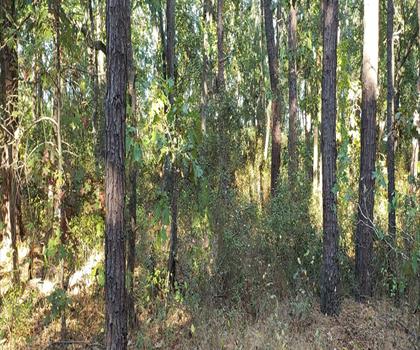
Warwick City Park
South County
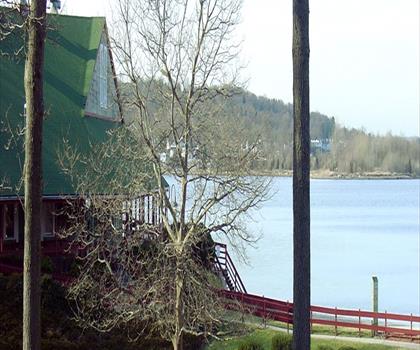
Goddard Memorial State Park
South County

Ryan Park
South County
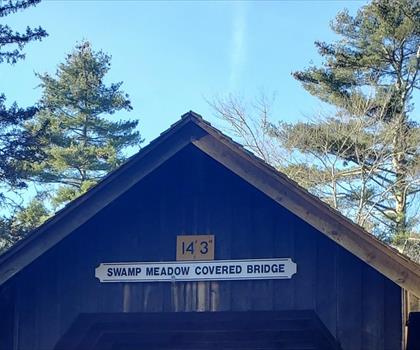
Swamp Meadow Covered Bridge
South County
Buck Hill Management Area
South County
Hiking near Providence
0 trails to explore ~35 km away
We work hard to provide the most up-to-date and error-free data possible. If something seems incorrect, let us know! Your contribution helps the whole community.
Hikers' opinions
Be the first to review!
No hiker has shared their experience yet. Share your impressions and help other hikers!