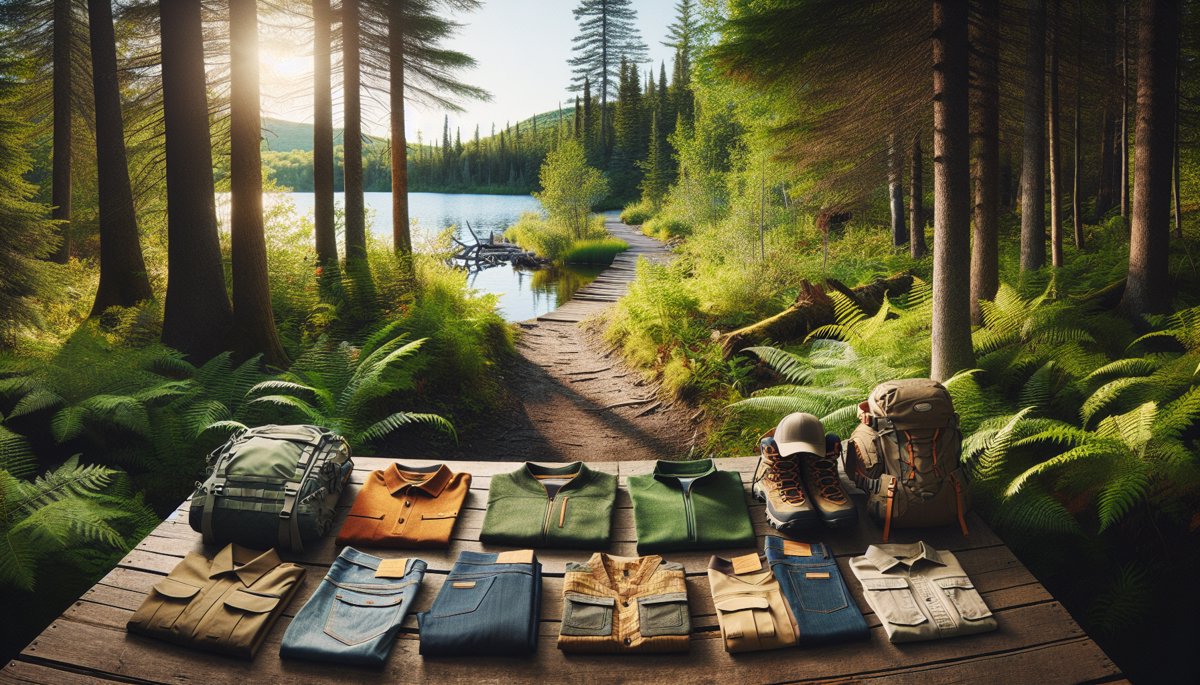
What clothes to wear hiking? The standard three-layer clothing system generally consists of a base layer, a protective outer layer, and an outer shell. While the base layer is usually worn constantly, the mid-layer and protective outer shell are typically only worn when conditions require them. Lower body clothing is also usually layered and typically includes pants and waterproof underwear. A base layer can be any material that allows you to feel comfortable, but you don't want it to be so thick that you overheat. A two-layer clothing system is less used nowadays and essentially consists of a long-sleeved thermal shirt, a thermal fleece jacket, a mid-length thermal jacket, and a lightweight thermal down jacket.
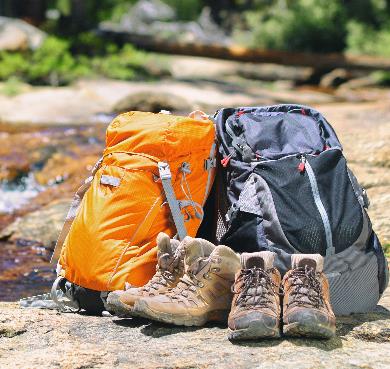
What to wear for trail shoes? Boots are worn deep inside the foot to protect muscles and tendons. Down boots are ideal for very cold or very wet conditions where other shoes might not be a good choice. In rainy weather, a boot with a Gore-Tex lining and waterproof rubber soles will keep feet protected.
What to wear for winter hiking socks? Cold weather hikers need to ensure their feet stay well insulated. Since most hikers want to be as lightweight as possible, there isn't much room in most hiking socks for additional insulation. However, some synthetics, like merino wool, tend to wick moisture away from the skin, which can help keep feet warm even in extremely cold weather.
What to wear for rain pants and waterproof gear? Rain pants should be put on as quickly as possible after arriving at a campsite. Heavy, wet clothing will cause chafing and delay drying. Hiking pants have an elastic waistband that can be lowered over the base of the pants to prevent water from staying against the pants' base.
What to wear for underwear and other hiking clothing? Synthetic padding clothing is often too bulky for active hiking. However, there are many lightweight cotton and elastane products that are very comfortable and easy to wash. These fabrics are much lighter than traditional fabrics and can therefore be worn in wet conditions. They also allow for easier movement.
What to wear as a clothing system? Any lightweight clothing can be layered in hiking-style tops and bottoms. The fabrics used in layering can be the same as those that would be used in other components of the clothing system. For example, eyelet tops and bottoms can be paired with shorts and an additional layer of material can be used for extra warmth.
What to wear as outerwear? Another important consideration for hikers is what to wear under their clothing. Wearing long pants or shorts and other protective equipment can protect against skin irritation and prevent injuries. Other materials frequently used in outerwear are reflective, windproof, and waterproof.
Why is breathability so important? Breathability allows air to circulate through the body, preventing cold and hot temperatures from being trapped. A moisture-wicking layer inside the garment allows sweat to escape, which helps reduce the risk of mold formation. In windy conditions, breathability is even more important. A windproof outer layer and breathability in the middle will keep you warm and dry even in windy weather.
What to wear as underwear? An excellent layer to have at the bottom of your pack is waterproof, breathable, and windproof hiking pants. Waterproof pants are perfect anytime, but especially in rainy or cold weather. They offer excellent protection against the elements, are easy to wash, and are also very functional as they can be worn on long trips and not just for day hikes.
What to wear as a layering system? A layering system often consists of two garments: an outer garment and a bib. An outer garment is usually a long-sleeved thermal shirt or blouse. Some layering systems also include a vest or hooded sweatshirt. The bib is another garment that can be worn over an outer garment for additional warmth.
What to wear as a helmet? A hat is almost always necessary for a day hike. However, in rainy and cold conditions, a lightweight rain hat may be sufficient. If you plan to climb, you might consider bringing a ski helmet with you, as some climbers do. If you're unsure what to wear as a helmet, ask an experienced hiker for advice.
What is a base layer?
The base layer is one of the most important parts of all women's outdoor clothing. It protects the inside of the jacket from stains and gives it a nice appearance. This layer is composed of a number of different things, including lining and sub-layers. Many people think there are only two layers, but there are actually five. Let's take a look at what makes up the layers and why they are so important when it comes to outdoor clothing.
The first layer of any outdoor garment is called the base layer. The base layer helps protect the garment from stains and keeps it in good condition. Some people will go so far as to say that the base layer is actually the same thing that protects the bodice of the garment from stains, but this is not true. The layers don't align, but the overlap of outdoor clothing can make some garments a bit funny.
The third layer is the lining. The lining helps protect the garment from external elements, like pollution or dirt. The base layer also absorbs and retains liquid that enters outdoor clothing, like sweat or moisture. The lining ensures protection of the innermost layer of the outdoor garment.
The fourth layer, the outermost, is made of synthetic materials. Some materials are more popular than others. For example, nylon is popular because it is breathable and thus allows air to circulate around your skin, keeping you cool during hot summer days. A synthetic material that acts as a barrier also helps prevent cold from entering, while letting heat in.
The fifth layer explained is the outer layer. This layer not only protects against external damage but also acts as an insulator. It prevents heat from escaping the outdoor garment and keeps warmth inside the garment, so you don't feel hot when wearing it.
The sixth layer explains the protective ingredients that go into outdoor clothing. Many undergarments have elastic straps, where stretch fabric is sewn into the upper body part. Other outdoor clothing has dried foam to prevent chafing and waterproofing to keep your body dry while exercising outdoors.
The seventh and final layer explains the functions of each layer. Each layer is designed to offer different functions. One layer can help prevent chafing, for example, while another helps control your body temperature when exercising outdoors. Another inner layer may be specially designed to keep your body dry while swimming. These functions make outdoor clothing a very important part of your fitness program.
Hopefully this article has given you useful information on how the base layer is properly explained in fitness clothing. As you continue your exercise program, it is very important that you control your body temperature. An important part of this is having excellent outdoor clothing. With so many choices available, you shouldn't have problems finding an item that meets your needs. The well-explained base layer in fitness clothing is there to help you do that!
There are many types of sports outdoor clothing. Some types specialize in cold conditions or outdoor activities. Other types are made for warm conditions like running indoors at mild temperatures. And others are designed to work both outdoors and indoors. Understanding how to select the best type will allow you to get the most out of your purchase.
There are several things to consider when selecting quality outdoor clothing. You should always keep comfort and safety in mind. Some outdoor clothing layers feature pockets or linings that can add protection to your clothing. Others feature velcro or other fasteners that allow you to put on and remove your outfit quickly.
As you can see, learning how the base layer is explained can benefit you in many ways. If you're new to the world of fitness clothing or unsure of your needs, learning more about different types of clothing will be a great advantage. The knowledge you gain can help you make more informed decisions regarding your fitness clothing purchases. And you'll also discover why certain types of outdoor clothing are better than others.
Knowing the base layer explained can benefit you in several ways, including helping you make more informed decisions. You need to know what types of clothing are made with which materials. Additionally, you need to know the benefits of certain materials, how they work, and which ones are best suited to your needs. And, you need to know the difference between sports bras and sports shorts. By considering all these factors, you'll be able to find the ideal base layer for your needs and use them to create a wardrobe that meets all your needs and desires.

About the author
François Dumaine
Founder of Let's Go Play Outside
A passionate hiker, photographer and content creator, François has been hiking the trails of Quebec and Alberta since 2014. He founded Let's Go Play Outside to give you the information he wished he had before heading out.
Newsletter
Content that makes you want to go outside
Every week, a trail idea, a reflection on nature, or a tip worth the detour. Zero spam. Only the essentials.
Joined by 12,000+ outdoor enthusiasts
Read next
Continue the journey