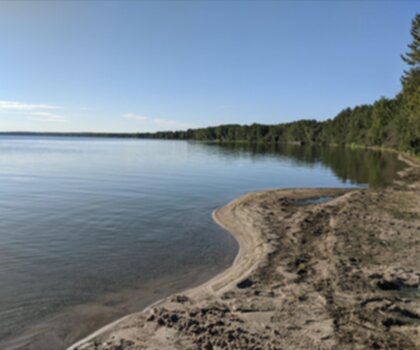
Hiking Midland Provincial Park - panoramic view  tree outdoor landscape nature mountain sky autumn plant cloud background lake painting forest surrounded distance
--°C
Loading...
See forecast →

Hiking in Midland Provincial Park: trails, map and practical info

Alberta Central • Alberta

4.7 Appreciated by 62 hikers
François Dumaine
By François DumaineContributor since 2022Updated 22/05/2026
Difficulty
Easy
Distance
3 km
Elevation
500 ft
Duration
2h15
Max altitude
1,580 ft

Explore 2.8 km of rolling grasslands and boreal forest in central Alberta, just an hour north of Calgary. This easy trail gains 500 m elevation over 2h15, revealing panoramic views and proximity to paleontological sites that contextualize the region's prehistoric past.

Recommended for :
Beginners

Ready to explore Midland Provincial Park? Here's everything you need to know before you go!

Discover the trail

Oh no! We don't have any photos 😢

This trail hasn't been captured yet. Be the first to share your adventure!

Trail description

Description

Midland Provincial Park delivers a surprisingly rich hiking experience in Alberta's central region, far from the tourist crowds that flock to the Rockies. The main trail covers 2.8 kilometers with a substantial 500-meter elevation gain that takes most hikers about 2 hours and 15 minutes to complete. Despite being classified as easy, that elevation gain will get your heart pumping as you climb through landscapes that shift dramatically from rolling grasslands to thick forest patches.

What makes this hike special is how much variety gets packed into such a compact area. You'll start in open meadows where the Alberta wind hits you full force, then duck into forest sections where the temperature drops and the world goes quiet except for your footsteps on soft earth. The trail designers clearly knew what they were doing—they've positioned the route to hit natural viewpoints that open up sweeping views across the central Alberta countryside.

What to Expect on the Trail

The well-maintained trail system handles hikers of different abilities, though that steady 500-meter climb means you'll want a moderate fitness level to enjoy it fully. As you gain elevation, the path reveals panoramic views that stretch across rolling hills dotted with patches of boreal forest. The terrain changes keep things interesting—you'll navigate through sections of open meadow where wildflowers explode in spring and summer colors, then transition into stretches under forest canopy where the temperature drops noticeably and the ground becomes softer and more forgiving underfoot.

The trail takes full advantage of natural viewpoints, with several spots where the landscape opens up to reveal the broader Alberta countryside rolling away in all directions. These vantage points make perfect rest stops and photo opportunities, especially during the golden hours of early morning or late afternoon when the light catches the undulating terrain and makes everything glow. The elevation gain means these higher viewpoints offer genuinely different perspectives than what you see from the trailhead.

Rocky sections alternate with potentially muddy areas depending on recent weather, and the steep grades in places make good traction important. The varied terrain includes everything from firm packed earth to loose gravel, so your feet will stay engaged throughout the hike.

Wildlife and Seasonal Changes

The park's diverse ecosystem supports a healthy population of white-tailed deer that you're likely to spot during quieter morning or evening hours. Bring binoculars if you're interested in wildlife observation—the varied habitat attracts numerous bird species that take advantage of both the open meadow areas and forest sections. The variety of plant life changes noticeably with elevation and season, creating distinct micro-environments within the relatively small park boundaries.

Spring brings vibrant wildflower displays in the lower meadows that contrast beautifully with the still-bare deciduous trees higher up. Summer fills out the forest canopy and brings the most reliable trail conditions, though temperatures can climb substantially in those exposed open sections. Fall transforms the deciduous areas into a tapestry of yellows and reds that's worth timing a visit around. Winter changes everything completely, turning the park into snowshoe territory rather than hiking terrain.

The forest sections harbor different species than the open areas, so even repeat visitors often notice new details depending on the season and weather conditions. This diversity means the hike feels different each time you do it.

The Paleontological Connection

What sets Midland Provincial Park apart from other hiking destinations in central Alberta is its proximity to significant paleontological sites. The nearby Royal Tyrrell Museum provides fascinating context for understanding the geological history beneath your feet as you hike. The museum's exhibits on prehistoric creatures that once inhabited this region add an educational dimension to your visit, making it particularly engaging for families or anyone interested in natural history.

The geology visible along the trail reflects millions of years of environmental change. Hikers with an interest in earth sciences will find plenty to examine in the rock formations and soil composition variations throughout the route. You're literally walking through layers of time as you gain elevation.

Seasonal Planning and Conditions

Trail conditions vary significantly with Alberta's distinct seasons, so timing matters for your experience. Spring hiking offers the reward of wildflower blooms but may include muddy sections as snow melts and ground thaws—expect softer, potentially slippery conditions in shaded areas. Summer provides the most reliable trail conditions and longest daylight hours, though temperatures can climb substantially in the open sections where there's no shade relief.

Fall delivers spectacular foliage changes and comfortable hiking temperatures that make the climb more pleasant. Winter transforms the park into a completely different landscape suitable for snowshoeing rather than traditional hiking.

Weather in central Alberta can change rapidly, so checking current forecasts before departure is essential. The elevation gain means temperatures at the higher viewpoints will be noticeably cooler than at the trailhead, particularly on windy days when that Alberta wind really picks up.

Gear and Preparation

The 2-hour-plus duration and that 500-meter elevation gain require solid day-hiking preparation. Pack more water than you think you'll need, especially during summer months when the open sections offer little shade and the climb will have you working harder than expected. Energy-rich snacks help maintain stamina during the ascent and provide fuel for the descent.

Footwear makes a significant difference on this varied terrain. Hiking boots or sturdy trail shoes with ankle support are recommended over casual athletic shoes. You'll encounter rocky sections, potentially muddy areas depending on recent weather, and steep grades where good traction becomes important for both safety and confidence.

Layer your clothing to accommodate temperature changes between the open meadow sections and forested areas, as well as the cooler conditions at higher elevations. A lightweight rain jacket or wind shell often proves valuable, even on days that start clear—Alberta weather can shift quickly.

Protecting the Park

Staying on designated trails protects both the fragile ecosystem and ensures your safety. The varied plant communities in different sections of the park are particularly sensitive to foot traffic, and shortcuts can cause lasting damage to vegetation that takes years to recover in Alberta's climate.

Pack out all waste, avoid disturbing wildlife, and resist the temptation to pick wildflowers or collect natural souvenirs. The park's relatively small size means that individual actions have a more concentrated impact than in larger wilderness areas, so your choices really matter here.

Ready to go?

Everything you need to know before you go

Where?

Address
AB-838, Drumheller, AB T0J 0Y0, Canada
GPS coordinates
51.4810957, -112.7691902
Phone
Not available

Starting Point

The midland provincial park is located in central Alberta, about an hour's drive north of Calgary. From Calgary, take Highway 2 north to the town of Cochrane. Turn left onto Highway 22 and drive for about 30 minutes until you reach the park entrance.

When?

Opening hours
From sunrise to sunset
Varies by season
Best season
Fall
Spectacular colors
Best time
Early morning
Less crowded
Weather (next days)
Loading

How much?

Entry fees
Adult
Not available
Child
What to bring?
Gear
  • Hiking shoes Essential
  • Layered clothing Essential
  • Rain jacket Essential
  • Trekking poles
  • Headlamp
Download the PDF checklist
Water & food
2L minimum
No water point on the trail
Bring energy snacks for a 4h+ hike
Good to know
Park rules
No dogs
Safety
Download the GPX before you go
Limited cellular coverage on the trail
Slippery after rain
Be careful on rocky sections
In an emergency
Emergency
911
Parking GPS
51.4810957, -112.7691902
Center
Not available

Hikers' opinions

4.7
20 Reviews
J
Jennifer
Mar 8, 2026
Absolutely loved this trail for its accessibility from Calgary while still providing a genuine workout. The steady climb over the 2.8km distance gets your heart pumping, and the spring wildflowers were starting to emerge during my visit. Only downside is not being able to bring our family dog, but I understand the conservation reasons.
J
Jennifer
Jan 18, 2026
Winter hiking here requires serious preparation as conditions become treacherous with snow and ice. What's normally a 2h15 hike easily extends to 3 hours when navigating slippery sections. The paid park access feels steep, but winter landscapes provide spectacular compensation for the extra effort required.
L
Lisa
Dec 3, 2025
Enjoyed the peaceful atmosphere of this trail, especially since dogs aren't permitted which keeps wildlife disturbance to a minimum. The entrance fees do add up for frequent visitors, but the trail maintenance is excellent. Perfect length for an after-work hike when you want something challenging but not too time-consuming.
M
Mike
Nov 22, 2025
Tackled this hike during winter conditions and found it quite challenging with snow and ice on the steeper sections. The 2 hour 15 minute duration stretched to nearly 3 hours due to careful footing required. Microspikes are essential during winter months, and the elevation gain becomes much more demanding in these conditions.
M
Mike
Oct 22, 2025
Absolutely stunning during fall season when Alberta's vegetation transforms into brilliant colors. The 2.8km distance works well for families with active teenagers who can handle the steady climb. While we missed bringing our dog due to restrictions, the peaceful atmosphere was definitely worth it.

FAQ - Frequently asked questions

Everything you need to know
Easy
500.00
1580.00
2h15
No
No
The Midland Provincial Park trail is rated as Easy difficulty. This makes it suitable for most hikers, including beginners and families looking for a manageable outdoor experience.
The Midland Provincial Park trail covers 2.8 km and typically takes 2h15 to complete. The actual time may vary depending on your pace and how often you stop to enjoy the scenery.
Didn't find your answer?
Free 1 pages

The Essential Hiking Checklist

Everything you need for your next hike. Bilingual, printable, 1 page.

Download the free checklist
Top 10 best hiking in Alberta Central
Our ranking based on hiker reviews

Hiking near Airdrie

90 trails to explore ~89 km away

View trails
Did you spot an error?

We work hard to provide the most up-to-date and error-free data possible. If something seems incorrect, let us know!

Update : June 2026