
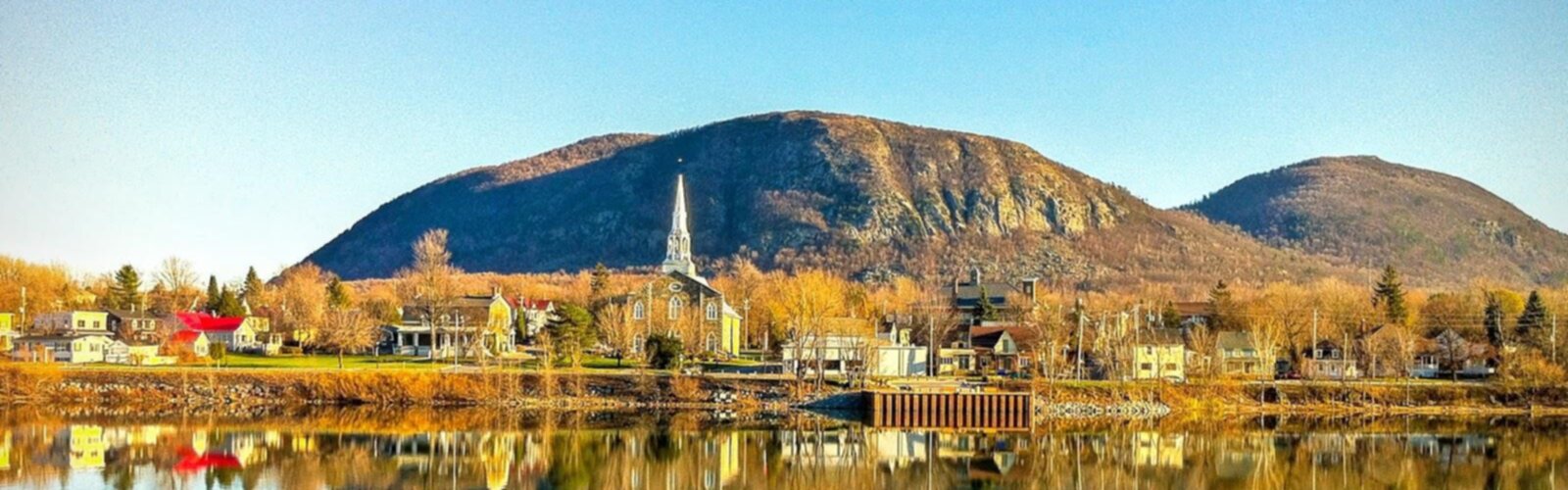
Hiking Cypress Hills Interprovincial Park - Saskatchewan - panoramic view  tree outdoor landscape nature mountain sky autumn plant cloud background lake painting forest surrounded distance
--°C
Loading...
See forecast →

Hiking in Cypress Hills Interprovincial Park - Saskatchewan: trails, map and practical info

Alberta South • Alberta

4.7 Appreciated by 63 hikers
François Dumaine
By François DumaineContributor since 2022Updated 30/05/2026
Difficulty
Easy
Distance
3 km
Elevation
40 ft
Duration
1h15
Max altitude
1,468 ft

Explore Alberta's highest plateau with this easy 2.6 km trail featuring 40 m elevation gain — a 1h15 hike through an island of montane forest rising dramatically above the prairie. Located in southern Alberta near the Saskatchewan border, Cypress Hills offers rare boreal ecosystems and panoramic views across the Great Plains.

Recommended for :
Beginners

Ready to explore Cypress Hills Interprovincial Park - Saskatchewan? Here's everything you need to know before you go!

Discover the trail

Oh no! We don't have any photos 😢

This trail hasn't been captured yet. Be the first to share your adventure!

Trail description

Description

Cypress Hills Interprovincial Park spans the border between Saskatchewan and Alberta, creating one of Canada's most distinctive hiking destinations. This elevated plateau rises dramatically from the surrounding prairie, reaching 1,466 meters (4,810 feet) at its highest point—making it the tallest landform between the Rocky Mountains and Labrador. The park's unique geography creates an island of montane forest in an ocean of grassland, offering hikers terrain and ecosystems unlike anywhere else on the Great Plains.

The park's elevation creates a cooler, moister climate that supports dense forests of lodgepole pine, white spruce, and aspen, while the surrounding hills are covered in native fescue grasslands. This dramatic contrast means you can hike from prairie wildflower meadows into deep forest within the same trail system. The topography includes rolling hills, steep-sided coulees, and exposed rock formations that provide excellent vantage points across the landscape.

Trail Network and Hiking Experience

The park maintains an extensive trail system designed for all hiking abilities, from gentle nature walks to challenging backcountry routes. The trail network takes advantage of the varied terrain, leading hikers through dense forest canopies, across open grasslands, and up to scenic overlooks that provide panoramic views extending for dozens of kilometers in every direction.

The Hidden Conglomerate Cliffs Trail stands out as a moderate hike that showcases the park's geological diversity. This trail leads to impressive rock formations created from ancient conglomerate stone, where hikers can examine the unique geology while enjoying expansive views across the plateau. The trail winds through mixed forest before emerging onto exposed ridges where the full scope of the Cypress Hills becomes apparent.

For those seeking easier options, numerous shorter trails explore the forested areas around Elkwater Lake and other park facilities. These paths offer excellent opportunities to observe the park's wildlife and plant communities without requiring significant elevation gain. The gentle terrain makes these routes perfect for families or anyone wanting to experience the park's unique ecosystem without strenuous effort.

More experienced hikers can tackle the longer backcountry routes that traverse the park's most remote areas, where encounters with wildlife are common and the sense of wilderness is complete. These trails often follow old logging roads or traditional pathways, winding through areas where the forest canopy creates a cathedral-like atmosphere that feels worlds away from the surrounding prairie.

What Makes This Place Special

The hiking experience here differs dramatically from anywhere else in Alberta. You'll find yourself walking through ecosystems that shouldn't exist at this latitude and elevation on the Great Plains. The transition zones between prairie and forest create edge habitats that support an incredible diversity of life, making every hike a discovery experience.

The views from the higher elevations are particularly striking. On clear days, you can see the curvature of the earth as the prairie stretches endlessly in all directions, while behind you, the forested hills create an almost mountain-like backdrop. This visual contrast reinforces just how unique this landscape is—a true geological and ecological anomaly.

Weather patterns here can change quickly due to the elevation and exposed terrain. The hills create their own microclimate, often producing dramatic cloud formations and sudden weather shifts that add an element of mountain hiking to what is technically a prairie environment.

Wildlife and Natural Features

The park's unique ecosystem supports remarkable diversity that reflects both prairie and montane environments. Elk and white-tailed deer are frequently spotted throughout the park, particularly during early morning and evening hours. The mixed habitats also support moose, black bears, and numerous smaller mammals that thrive in the varied terrain.

Birdwatchers will find over 220 species recorded in the park, including many that are rare or absent from the surrounding prairie regions. The forest areas host species typically found much farther west in the mountains, while the grasslands support prairie specialists. This combination creates exceptional birding opportunities, particularly during spring and fall migration periods when the elevated terrain serves as a natural corridor for traveling species.

The park's plant communities are equally diverse, with spring bringing spectacular wildflower displays in the grassland areas. The forest understory supports species more commonly associated with boreal regions, while exposed slopes and rocky areas host specialized plant communities adapted to the unique conditions of this elevated environment.

Beyond Hiking Activities

Elkwater Lake serves as the centerpiece for water-based activities, offering excellent canoeing opportunities in a scenic mountain-like setting. The lake's clear waters and protected location make it ideal for paddlers of all skill levels, while the surrounding forested shores provide a dramatic backdrop rarely found on the prairies.

Fishing enthusiasts can try their luck in Elkwater Lake and numerous smaller lakes and streams throughout the park. The varied aquatic habitats support different fish species, from lake trout in the deeper waters to brook trout in the smaller streams that flow through the forested areas.

Mountain biking trails utilize many of the same routes available to hikers, providing cyclists with challenging climbs and exhilarating descents through the varied terrain. The trail system accommodates different skill levels, from gentle rides around the lake areas to technical single-track routes that test experienced riders.

Camping and Practical Information

Several campgrounds throughout the park provide options ranging from basic tent sites to sites with full hookups for RVs. The elevated location and clear air create exceptional stargazing conditions, making overnight stays particularly rewarding for astronomy enthusiasts. The campgrounds are strategically located to provide easy access to trail systems while maintaining the natural character of the surrounding environment.

For those preferring more comfort, cabin accommodations are available that allow visitors to experience the park's natural setting without camping. These facilities provide a base for multi-day exploration while offering modern amenities and protection from the variable mountain weather that can occur at this elevation.

The park's location creates a unique microclimate that can produce weather conditions quite different from the surrounding prairie regions. Temperatures are typically cooler than the adjacent lowlands, and the elevated terrain can generate its own weather patterns, including sudden thunderstorms during summer months. This variability adds to the park's mountain-like character and provides relief from the often intense heat of the prairie summers.

Ready to go?

Everything you need to know before you go

Where?

Address
Cypress Hills, Alberta T0J 1C0, Canada
GPS coordinates
49.63, -110.3594441
Phone
Not available

Starting Point

The easiest way to get to the start of the trails at the cypress hills interprovincial park - saskatchewan in Alberta is to drive to the park.

When?

Opening hours
From sunrise to sunset
Varies by season
Best season
Fall
Spectacular colors
Best time
Early morning
Less crowded
Weather (next days)
Loading

How much?

Entry fees
Adult
Not available
Child
What to bring?
Gear
  • Hiking shoes Essential
  • Layered clothing Essential
  • Rain jacket Essential
  • Trekking poles
  • Headlamp
Download the PDF checklist
Water & food
2L minimum
No water point on the trail
Bring energy snacks for a 4h+ hike
Good to know
Park rules
No dogs
Safety
Download the GPX before you go
Limited cellular coverage on the trail
Slippery after rain
Be careful on rocky sections
In an emergency
Emergency
911
Parking GPS
49.63, -110.3594441
Center
Not available

Hikers' opinions

4.7
28 Reviews
D
David
Nov 2, 2025
Solid warm-up hike for the park's other activities. The 2.6 km distance and modest 40 m elevation gain make it accessible and straightforward. Trail conditions remain good even in late autumn. However, the paid parking and park access fees feel somewhat steep for what is essentially a brief introductory walk. Best enjoyed as part of a larger park visit rather than a standalone destination.
D
David
Oct 12, 2025
A decent warm-up hike before tackling other park activities. The 2.6 km distance and 40 m elevation gain are quite modest, making it suitable for beginners or quick outings. The trail remains accessible even in late autumn. However, the paid access and parking fees feel steep for what's essentially a short introductory walk, especially if exploring solo.
D
David
Oct 3, 2025
Absolutely stunning in early fall! The diverse ecosystems within this small area are remarkable - from marsh areas perfect for birdwatching to mature pine forests. Wildlife viewing opportunities are excellent, with chances to spot moose, deer, and various bird species. The peaceful atmosphere and well-groomed trails make this a hidden gem worth the park fees.
S
Sarah
Sep 28, 2025
What a delightful autumn hike! The aspen and maple trees were absolutely stunning in their fall colors when I visited in late September. This short trail is incredibly photogenic and perfect for capturing the beauty of this isolated boreal forest. While brief, the experience was memorable and the scenery made every step worthwhile.
M
Marcus
Sep 28, 2025
Excellent autumn hike with stunning foliage! The aspen and maple colors were absolutely breathtaking in late September. While the trail is short at 2.6 km, it's incredibly photogenic and perfect for capturing the boreal forest beauty. The main drawback is the limited options to extend the experience with other nearby trails without additional fees.

FAQ - Frequently asked questions

Everything you need to know
Easy
40.00 m
1468.00 m
1h15
No
No
Yes, the Cypress Hills Interprovincial Park - Saskatchewan trail is ideal for beginners. With an Easy difficulty rating, only 40 meters of elevation gain, and a distance of just 2.6 kilometers, it's accessible to hikers with minimal experience or fitness requirements.
Didn't find your answer?
Free 1 pages

The Essential Hiking Checklist

Everything you need for your next hike. Bilingual, printable, 1 page.

Download the free checklist
Top 10 best hiking in Alberta South
Our ranking based on hiker reviews

Hiking near Calgary

120 trails to explore ~308 km away

View trails
Did you spot an error?

We work hard to provide the most up-to-date and error-free data possible. If something seems incorrect, let us know!

Update : June 2026