

Ready to explore Mount Douglas Park? Here's everything you need to know before you go!
Discover the trail
Trail description
Mount Douglas Park is a mountain destination in the Calgary area that delivers a genuine Rocky Mountain experience without requiring a long drive into the backcountry. With 8.5 km of trail distance and 1,200 meters of elevation gain, it's a serious outing that rewards hikers with the kind of scenery that makes Alberta's mountain parks so compelling. Budget around 4 hours and 15 minutes for the full route, and come prepared for a real workout.
The park's trail system moves through several distinct environments as you climb, which keeps the experience from feeling repetitive. You start in dense evergreen forest at the lower elevations, where the path winds through spruce and fir stands on packed earth and root-crossed ground. It's a solid warm-up before the terrain gets more demanding. As you gain elevation, the forest opens progressively into alpine meadow, the trail surface shifts to rock, and the views start to open up in a way that makes every rest stop worth taking.
Terrain and Trail Character
The lower sections of the trail are accessible and well-maintained, making them a reasonable option for hikers who want to experience the forest environment without committing to the full elevation gain. The path is clear and easy to follow, with the natural sounds of the forest providing a calm backdrop.
Once you start climbing in earnest, the character of the trail changes noticeably. The 1,200 meters of elevation gain is spread across the route in a way that keeps you working consistently rather than hitting one brutal section. Rocky terrain becomes the norm at higher elevations, with some loose scree sections that require you to pay attention to your footing. Ankle support matters here — this is not a trail where lightweight trail runners are going to serve you well unless you're experienced on technical mountain terrain.
The transition zones between forest and open alpine are some of the most interesting sections of the hike. The canopy thins, the light changes, and you start to get your first real glimpses of the surrounding mountain landscape. These stretches build anticipation effectively before you reach the upper viewpoints.
Views and Highlights
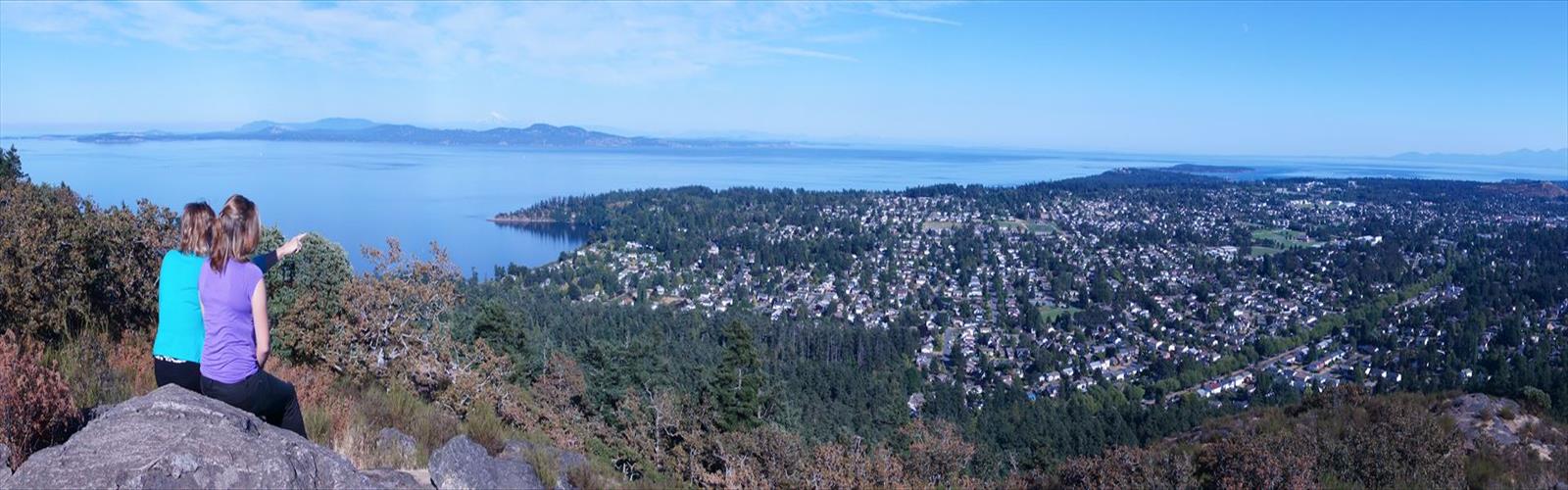
The payoff for the elevation gain is substantial. From the higher points in the park, the views extend across multiple mountain ranges, with the layered peaks and deep valleys that define this part of Alberta laid out in front of you. On a clear day, the scale of the Rocky Mountain system becomes genuinely impressive — the kind of view that reminds you why people make the effort to get up into the mountains in the first place.
The light conditions shift throughout the day and affect the quality of the views considerably. Morning hikes tend to offer sharper definition in the distant peaks and cooler temperatures that make the climb more comfortable. Later in the day, the light warms and brings out more color in the rock faces and the forest below, which makes for better photography but also means you need to manage your timing carefully to avoid afternoon weather.
Seasonal wildflowers add color to the meadow sections during the warmer months, with bloom timing varying depending on elevation and the specific year's snowpack and temperatures.
Wildlife
The park supports wildlife typical of the Canadian Rockies ecosystem. Deer are a common sight along the trails, particularly during early morning and evening hours. Bird activity varies by elevation zone — the forest sections host songbirds, while the more open upper terrain attracts different species.
Bear activity occurs in the area, which means standard mountain precautions apply: make noise on the trail, store food properly, and stay alert. This isn't unusual for accessible mountain parks in Alberta, but it's worth taking seriously rather than treating as a formality.
Planning Your Visit
Mountain weather in the Calgary area can shift quickly, and conditions at the upper elevations of the park can differ significantly from what you experience at the trailhead. Layered clothing is the practical approach — you'll likely want to shed layers on the climb and add them back at the exposed upper sections where wind and cooler temperatures are common.
Snow can linger at higher elevations well into spring and return early in fall. Checking current trail conditions before heading out is worth the few minutes it takes, especially outside of the core summer season. Ice on rocky terrain at higher elevations is a real hazard that changes the difficulty rating considerably.
Hydration needs are higher than many hikers expect on mountain terrain. The dry Alberta mountain air and the sustained physical effort of 1,200 meters of elevation gain add up quickly. Carry more water than you think you'll need, and bring enough food to fuel a 4-plus hour outing with meaningful climbing involved.
Proper footwear is one of the most important gear decisions for this trail. The varied surfaces — from soft forest floor to rocky upper terrain with loose sections — reward hikers who show up with boots that offer good traction and ankle support. The upper sections of the trail in particular are where inadequate footwear becomes a safety issue rather than just a comfort one.
The Essential Hiking Checklist
Everything you need for your next hike. Bilingual, printable, 1 page.
Get your free hiking checklistRecommended gear for this trail
As an Amazon Associate I earn from qualifying purchases.


Ready to go?
Everything you need to know before you goStarting Point
The mount douglas park is located in the city of Calgary, Alberta. To get to the start of the trails, take the Glenmore Trail exit off of the Trans-Canada Highway and head south. The park will be on your right.
When?
How much?
As an Amazon Associate I earn from qualifying purchases.
Affiliate links — LGPO may earn a commission at no extra cost to you.
- Hiking shoes Essential
- → Salomon Elixir Tour Mid WP · 203.38 $
- Layered clothing Essential
- Rain jacket Essential
- Trekking poles
- → Black Diamond Trail Ergo Cork · 69.99 $
- Headlamp
- → Petzl Actik Core 625 · 103.95 $
FAQ - Frequently asked questions
Everything you need to knowSimilar hikes nearby
Discover other trails you might enjoy
Auburn Bay Lake
Calgary & Area
Douglas Fir Trail E
Calgary & Area
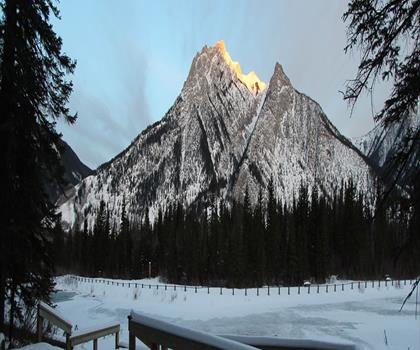
Mt Lorette Ponds
Calgary & Area
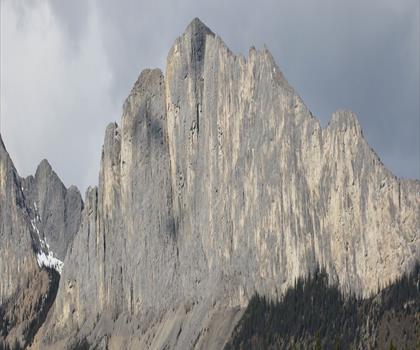
Yamnuska Ridge & CMC Valley Trailhead
Calgary & Area
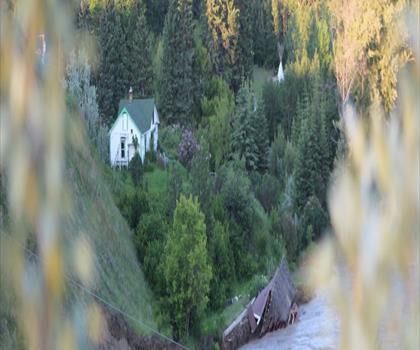
River Park Off Leash Dog Park
Calgary & Area
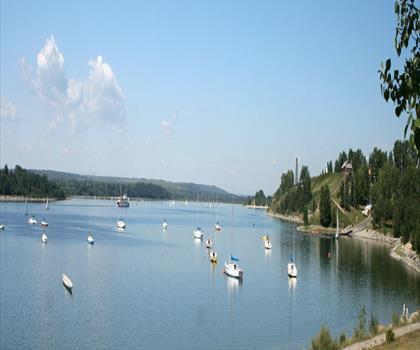
South Glenmore Park
Calgary & Area
Hiking near Victoria
93 trails to explore ~7 km away
We work hard to provide the most up-to-date and error-free data possible. If something seems incorrect, let us know! Your contribution helps the whole community.
Hikers' opinions
Be the first to review!
No hiker has shared their experience yet. Share your impressions and help other hikers!