
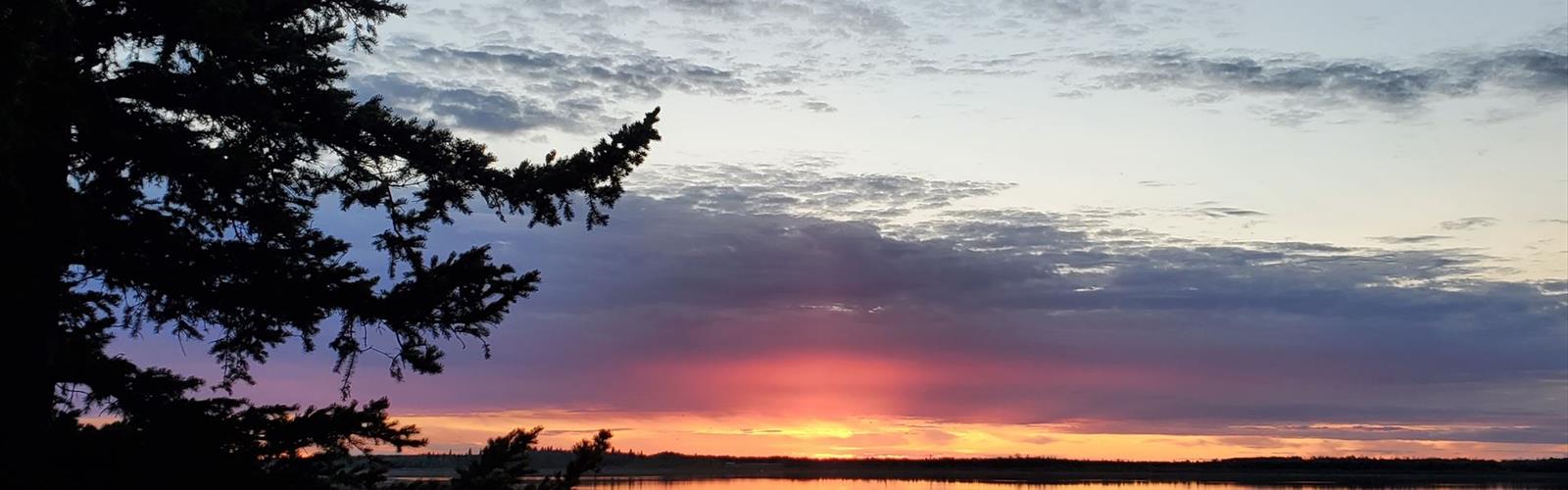

Ready to explore Cooking Lake? Here's everything you need to know before you go!
Discover the trail
Trail description
Cooking Lake sits in the heart of Alberta's parkland region, about a half-hour drive east of Edmonton. It's the kind of place that doesn't try to impress you all at once — instead, it earns its reputation through variety, accessibility, and the quiet satisfaction of a trail system that genuinely delivers something different every time you visit.
The Hiking Experience
The trail network here covers around 15 kilometers of routes that wind through one of the more ecologically interesting landscapes you'll find within easy reach of Edmonton. Plan for roughly four hours if you want to explore a good portion of the system, though you can easily shorten or extend that depending on your pace and how often you stop to look around.
What you'll notice almost immediately is how much the terrain shifts as you move through the area. One stretch takes you through dense stands of aspen and birch where the canopy closes overhead and the light filters down in patches. A few minutes later, you're crossing an open meadow or skirting the edge of a wetland. This is Alberta's parkland ecosystem — the transitional zone where boreal forest and prairie meet — and Cooking Lake showcases it well.
The elevation change across the trail system reaches around 200 meters on some routes, which adds genuine character to the hiking without making anything feel punishing. The climbs are gradual enough that you can carry on a conversation while ascending, but noticeable enough that you'll feel like you've actually hiked somewhere by the time you're done. The wooded hills occasionally open up into clearings where you get broader views of the surrounding countryside, and those moments are worth the effort to reach them.
Trail surfaces vary considerably. Some sections follow wide, well-maintained paths that stay firm even after rain — good for families or anyone who prefers predictable footing. Others track closer to wetland edges or follow natural contours through the forest, and those can get muddy during wet stretches of spring or after heavy summer rain. Waterproof footwear is a reasonable call for most visits, especially outside of the driest summer months.
Wildlife and Natural Features
The mix of habitats here supports a solid range of wildlife. White-tailed deer are common, particularly in the early morning and evening when they move into the meadows to feed. The wetlands and lake edges draw a variety of bird species throughout the year, and the area becomes noticeably more active during spring and fall migrations when waterfowl use the lake as a stopover.
In the forested sections, you'll regularly encounter woodpeckers, chickadees, and nuthatches. The open areas host different species altogether, which is part of what makes the parkland ecosystem worth paying attention to — the wildlife changes as the habitat changes, and you start to read the landscape differently after a few visits.
The lake itself anchors the whole area. Its waters reflect the surrounding hills and sky, and the shoreline shifts between sandy stretches and marshy edges thick with cattails and aquatic vegetation. In summer, the lake warms enough to make wading or a quick swim genuinely appealing after a few hours on the trail.
Trail Options
The trail system is set up to accommodate different preferences without forcing anyone into a one-size-fits-all experience. Gentler paths follow the lakeshore and offer easy walking with consistent water views — these work well for families with young kids or anyone who wants a relaxed outing with plenty of spots to stop and sit.
The routes that head into the surrounding hills are a different experience. They're quieter, feel more remote, and give you a better sense of the area's topography. If you want solitude and a bit more physical engagement, those are the trails to prioritize.
Beyond Hiking
Cooking Lake's calm water makes it a natural fit for paddling. The lake is large enough for extended kayaking or canoeing without the need to portage, and paddlers can reach quiet bays and inlets that aren't accessible from the trail system. Those spots often hold wildlife that avoids the busier shoreline areas, so a paddle can complement a hike nicely if you have the time and gear.
Fishing is also part of the picture here. Anglers sometimes use the trail network to scout shoreline access points or reach less crowded spots away from the main launch areas.
Seasonal Notes
Spring brings wildflower displays and active wildlife, though expect muddy conditions on some trails as snowmelt works through the system. Summer offers the longest days and the warmest temperatures, plus the option to cool off in the lake. Fall is arguably the most visually rewarding season — the aspen and birch turn yellow and orange, and the cooler air makes for comfortable hiking conditions. Winter shifts the focus toward snowshoeing and cross-country skiing rather than traditional hiking.
Planning Your Visit
Cooking Lake works well as a day trip from Edmonton, with enough trail variety to fill a full morning or afternoon without repeating yourself. Several spots along the lakeshore have picnic tables and basic facilities, so combining a hike with lunch by the water is straightforward. The range of trail difficulties means you can adjust the day based on who's in your group — there's enough here for both a casual family outing and a more committed half-day hike.
The Essential Hiking Checklist
Everything you need for your next hike. Bilingual, printable, 1 page.
Get your free hiking checklistRecommended gear for this trail
As an Amazon Associate I earn from qualifying purchases.


Ready to go?
Everything you need to know before you goStarting Point
To access the hiking trails, you can start from several trailheads. One option is to head to the main parking lot located at 52365 Range Road 211, Sherwood Park, Alberta. Another possible starting point is the trailhead at 52521 Range Road 211, Ardrossan, Alberta. Both locations provide convenient access to the trails and have parking facilities available.
When?
How much?
As an Amazon Associate I earn from qualifying purchases.
Affiliate links — LGPO may earn a commission at no extra cost to you.
- Hiking shoes Essential
- → Salomon Elixir Tour Mid WP · 203.38 $
- Layered clothing Essential
- Rain jacket Essential
- Trekking poles
- → Black Diamond Trail Ergo Cork · 69.99 $
- Headlamp
- → Petzl Actik Core 625 · 103.95 $
FAQ - Frequently asked questions
Everything you need to knowSimilar hikes nearby
Discover other trails you might enjoy
Hawrelak Park
Edmonton & Area

Buena Vista Park
Edmonton & Area
Astotin Lake
Edmonton & Area
Constable Chelsey Robinson Day Use Park
Edmonton & Area
Telford Lake Boardwalk
Edmonton & Area
Telford Lake
Edmonton & Area
Hiking near Edmonton
42 trails to explore ~33 km away
We work hard to provide the most up-to-date and error-free data possible. If something seems incorrect, let us know! Your contribution helps the whole community.
Hikers' opinions
Be the first to review!
No hiker has shared their experience yet. Share your impressions and help other hikers!