

Ready to explore Fort Edmonton Park? Here's everything you need to know before you go!
Discover the trail
Trail description
Fort Edmonton Park sits along the North Saskatchewan River in Edmonton, Alberta, and offers something genuinely different from a typical trail outing. It's a living history museum built into one of North America's largest urban parkland networks — which means you get a cultural experience layered on top of easy access to Edmonton's river valley trail system, all in one visit.
Walking Through Alberta's Past
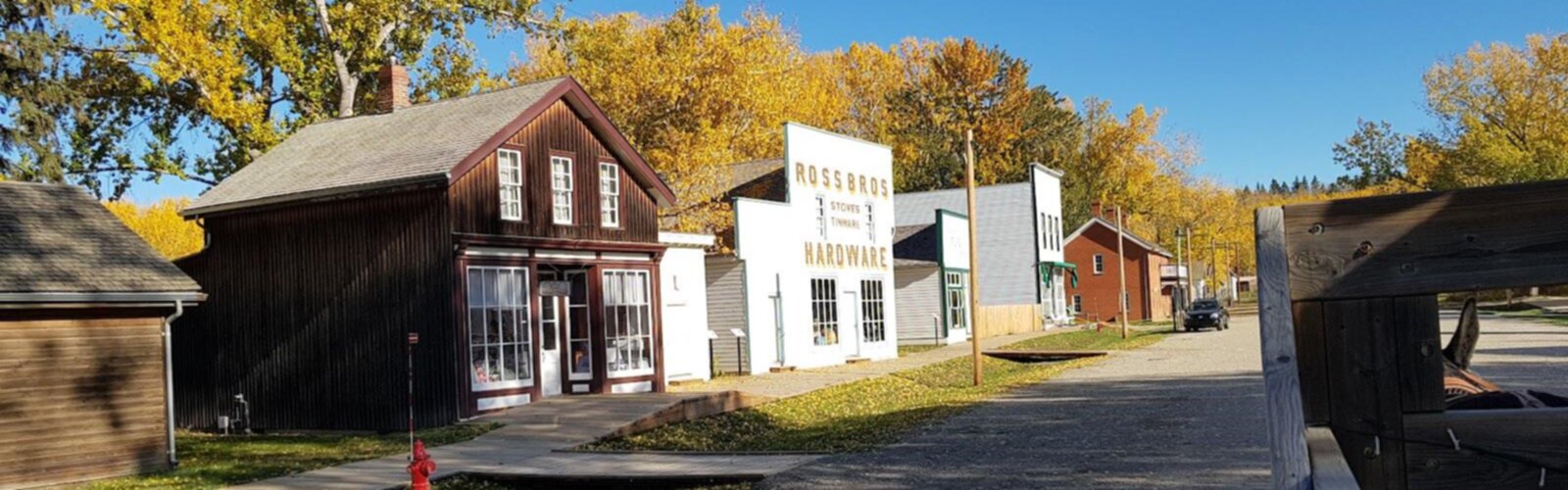
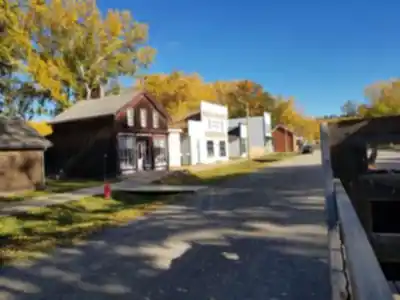
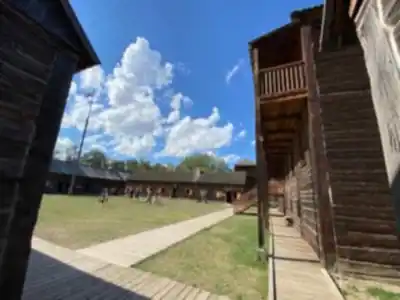
The park is organized around four distinct periods of Edmonton's history, spanning from the fur trade era of 1846 through to the metropolitan growth of 1920. Each section is a fully realized environment: the 1846 Hudson's Bay Company fort with its wooden palisades and period furnishings, the 1885 settlement street, the 1905 residential neighbourhood, and the 1920 commercial district complete with vintage streetcars and early automobiles. Costumed interpreters work throughout, demonstrating traditional crafts and trades rather than just standing around to answer questions.
Moving between eras on foot gives the whole thing a natural rhythm. You're walking cobblestone streets, ducking into period homes, and getting a ground-level sense of how the region developed — from a remote fur trade outpost to a functioning city. For anyone interested in the history of western Canada, it's a surprisingly immersive way to spend a few hours.
The River Valley Trail Network
Fort Edmonton Park's position along the North Saskatchewan River puts it directly within Edmonton's extensive river valley parkland — one of the largest stretches of urban green space in North America. The trails here follow the riverbank and wind through mature forest, with terrain that's gentle and well-maintained throughout. The estimated route through the area covers roughly 45 km of connected pathways, though most visitors will cover a fraction of that in a single outing.
The elevation change is minimal at around 2 metres, so this is genuinely flat walking. That makes it accessible for a wide range of fitness levels and ideal for anyone who wants to move at a relaxed pace. The moderate difficulty rating reflects the length of the full network rather than any technical challenge — the footing is solid and the paths are clearly marked.
Early mornings and evenings along the riverbank are worth planning for. Deer, rabbits, and a variety of bird species are regularly spotted in the quieter hours, and the light on the water during those times is hard to beat. Picnic areas along the river give you natural stopping points to rest and take in the surroundings.
What to Expect on the Ground
The park operates seasonally, typically from spring through fall. Facilities on-site include washrooms, food services, and parking with straightforward access from Edmonton's main roadways. The combination of paved historical areas and natural trail surfaces means footwear with decent grip is more comfortable than sandals, but you don't need hiking boots for anything here.
Because the terrain is flat and the paths are well-maintained, this is a strong option for families with younger kids or anyone who wants outdoor time without committing to a strenuous effort. The 45-minute estimated duration applies to a focused walk through the core area — if you're exploring the historical exhibits thoroughly or extending onto the river valley trails, plan for considerably more time.
A Genuine Urban Outdoor Experience
What sets Fort Edmonton Park apart from a standard urban trail is the density of things to engage with. You're not just logging kilometres — you're moving through a carefully constructed historical landscape that happens to sit inside a significant natural corridor. The North Saskatchewan River valley provides real ecological value: mature trees, wildlife habitat, and a sense of separation from the city that's unusual for a park this close to an urban core.
The park works well as a standalone destination or as part of a longer Edmonton-area itinerary. It's the kind of place that rewards a slower pace — take the time to talk to the interpreters, follow a trail section along the river, and find a bench with a view of the water before heading back.
The Essential Hiking Checklist
Everything you need for your next hike. Bilingual, printable, 1 page.
Get your free hiking checklistRecommended gear for this trail
As an Amazon Associate I earn from qualifying purchases.


Ready to go?
Everything you need to know before you goStarting Point
The easiest way to get to the start of the trails at the fort edmonton park is to drive there.
When?
How much?
As an Amazon Associate I earn from qualifying purchases.
Affiliate links — LGPO may earn a commission at no extra cost to you.
- Hiking shoes Essential
- → Salomon Elixir Tour Mid WP · 203.38 $
- Layered clothing Essential
- Rain jacket Essential
- Trekking poles
- → Black Diamond Trail Ergo Cork · 69.99 $
- Headlamp
- → Petzl Actik Core 625 · 103.95 $
FAQ - Frequently asked questions
Everything you need to knowSimilar hikes nearby
Discover other trails you might enjoy
Hawrelak Park
Edmonton & Area

Buena Vista Park
Edmonton & Area
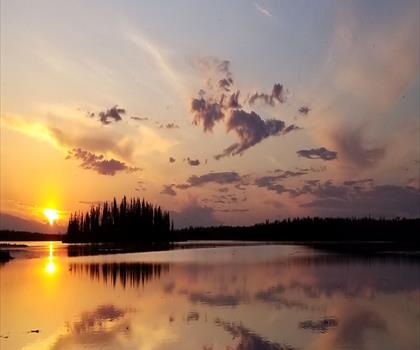
Astotin Lake
Edmonton & Area
Constable Chelsey Robinson Day Use Park
Edmonton & Area
Telford Lake Boardwalk
Edmonton & Area
Telford Lake
Edmonton & Area
Hiking near Edmonton
42 trails to explore ~7 km away
We work hard to provide the most up-to-date and error-free data possible. If something seems incorrect, let us know! Your contribution helps the whole community.
Hikers' opinions
Be the first to review!
No hiker has shared their experience yet. Share your impressions and help other hikers!