

Ready to explore Lois Hole Centennial Provincial Park? Here's everything you need to know before you go!
Discover the trail
Trail description
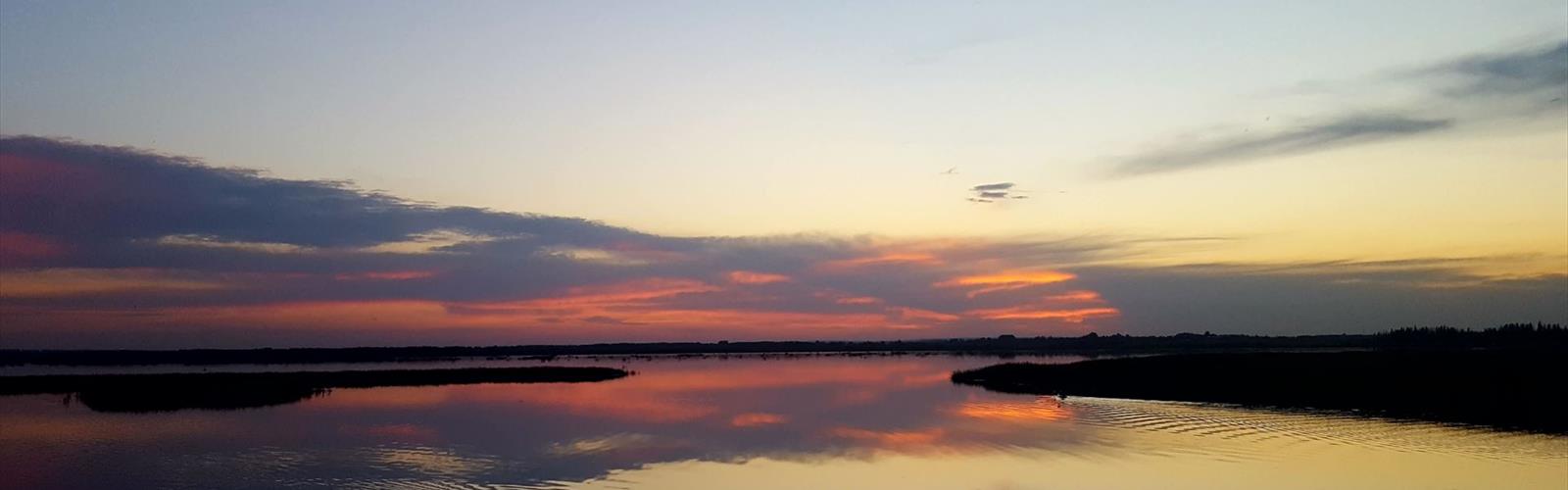
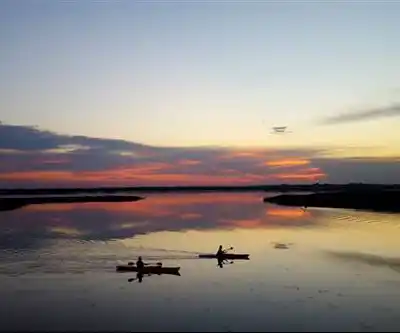
Lois Hole Centennial Provincial Park sits quietly on the western edge of Edmonton, offering a surprisingly rich natural experience just minutes from Alberta's capital city. This 1,240-hectare park wraps around the shores of Big Lake, creating a diverse landscape of wetlands, grasslands, and aspen parkland that feels worlds away from urban life — even though the city skyline is never far behind you.
The park is named after Lois Hole, Alberta's former Lieutenant Governor and a beloved figure known for her passion for education, gardening, and community. It's a fitting tribute: the park nurtures both the people who visit it and the natural systems that make it so ecologically valuable. Sitting squarely in the prairie-parkland transition zone, it captures something genuinely central Albertan — open meadows giving way to trembling aspen groves, with vast wetland systems threading through it all.
The Trail Experience
The trail system here covers roughly 8 km of well-maintained paths, with only about 50 metres of elevation change across the entire network. That makes this an easy outing — plan for around two hours and fifteen minutes at a comfortable pace, though most people end up lingering longer once the birds start showing up.
The terrain moves through several distinct habitat zones as you walk. You'll transition from dry upland meadows dotted with native wildflowers into aspen groves where the light filters through the canopy, then down toward the water's edge where cattails and sedges line the shore. The subtle undulations in the landscape keep things visually interesting without ever making you work hard for it.
Some of the trail's best moments happen on the wooden boardwalks and viewing platforms that extend out over the wetlands. These structures put you right in the middle of the aquatic ecosystem without disturbing it — you're standing above the water, watching the activity below and around you, with Big Lake opening up in the distance. The contrast between the open lake and the intricate network of smaller ponds and channels shifts constantly as you move along the shoreline, so the scenery stays fresh throughout the walk.
Wildlife and Birding
This is where Lois Hole really earns its reputation. Over 220 bird species have been recorded in the park, making it one of the most productive birding spots in the Edmonton region. The wetland habitat functions as critical breeding, feeding, and staging ground for both resident species and migrants passing through on their way north or south.
American white pelicans are among the park's signature sights — their massive wingspans and bright white plumage make them hard to miss as they soar over Big Lake or gather in loose feeding groups near the shore. Great blue herons work the shallows with that characteristic slow patience, while red-winged blackbirds stake out territory in the cattails and announce themselves constantly. The aspen groves add another layer of diversity, hosting warblers, woodpeckers, and other forest species, while the grassland sections attract bobolinks and a variety of sparrows.
Migration periods — particularly spring and fall — push the species count even higher as waterfowl, shorebirds, and songbirds use the park as a stopover. If you time a visit for early May or late August, you're likely to see a remarkable variety in a single outing.
Mammals are present too, though more elusive. White-tailed deer browse the meadows during early morning and evening hours, and smaller mammals like ground squirrels are common enough that you'll likely spot them without trying. Hawks and owls work the area regularly, drawn by the healthy prey base the ecosystem supports.
Seasonal Highlights
Spring is arguably the most exciting time to visit. Waterfowl return to claim nesting territories, wildflowers begin pushing up through the meadows, and the energy of the whole place shifts noticeably. Trails can be muddy during snowmelt, so waterproof footwear is worth it.
Summer brings dry trails and full access throughout the park. Wildlife activity is high, wildflower displays are at their peak, and Alberta's long summer days mean you can stretch a visit well into the evening. Early morning and dusk remain the best windows for wildlife watching.
Fall is stunning here. The aspen leaves go a deep golden yellow, the light gets that low-angle quality that makes everything look good in photos, and waterfowl migration peaks — often producing some of the year's best birding. Dress in layers; fall weather in this part of Alberta can shift quickly.
Winter closes off most of the hiking trails, but the park stays active as a destination for cross-country skiing and snowshoeing.
Planning Your Visit
The park's location near Edmonton makes it a natural choice for a half-day outing, but the quality of the experience punches well above its weight for something this close to a major city. Parking areas provide straightforward access to the main trail network, and the paths are well-marked enough that first-time visitors won't have trouble finding their way around.
Bring binoculars — this is one of those places where they'll actually get used, not just weigh down your pack. A camera with a zoom lens is worth it too, especially if you're planning to photograph birds from the viewing platforms. The boardwalks give you a stable surface even with longer lenses, and the light over the water can be excellent in the morning.
Picnic areas are scattered through the park in spots that take advantage of lake views, so it's easy to turn a hike into a longer outing. Stick to the designated trails throughout — the wetland ecosystem here is sensitive, and staying on-path protects both the habitat and the wildlife viewing experience for everyone who comes after you.
The Essential Hiking Checklist
Everything you need for your next hike. Bilingual, printable, 1 page.
Get your free hiking checklistRecommended gear for this trail
As an Amazon Associate I earn from qualifying purchases.


Ready to go?
Everything you need to know before you goStarting Point
The lois hole centennial provincial park is located in Alberta, Canada. The best way to get to the start of the trails is to drive to the park and then walk to the trailhead.
When?
How much?
As an Amazon Associate I earn from qualifying purchases.
Affiliate links — LGPO may earn a commission at no extra cost to you.
- Hiking shoes Essential
- → Salomon Elixir Tour Mid WP · 203.38 $
- Layered clothing Essential
- Rain jacket Essential
- Trekking poles
- → Black Diamond Trail Ergo Cork · 69.99 $
- Headlamp
- → Petzl Actik Core 625 · 103.95 $
FAQ - Frequently asked questions
Everything you need to knowSimilar hikes nearby
Discover other trails you might enjoy
Hawrelak Park
Edmonton & Area

Buena Vista Park
Edmonton & Area
Astotin Lake
Edmonton & Area
Constable Chelsey Robinson Day Use Park
Edmonton & Area
Telford Lake Boardwalk
Edmonton & Area
Telford Lake
Edmonton & Area
Hiking near Edmonton
42 trails to explore ~17 km away
We work hard to provide the most up-to-date and error-free data possible. If something seems incorrect, let us know! Your contribution helps the whole community.
Hikers' opinions
Be the first to review!
No hiker has shared their experience yet. Share your impressions and help other hikers!