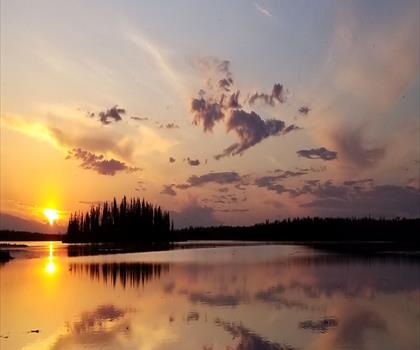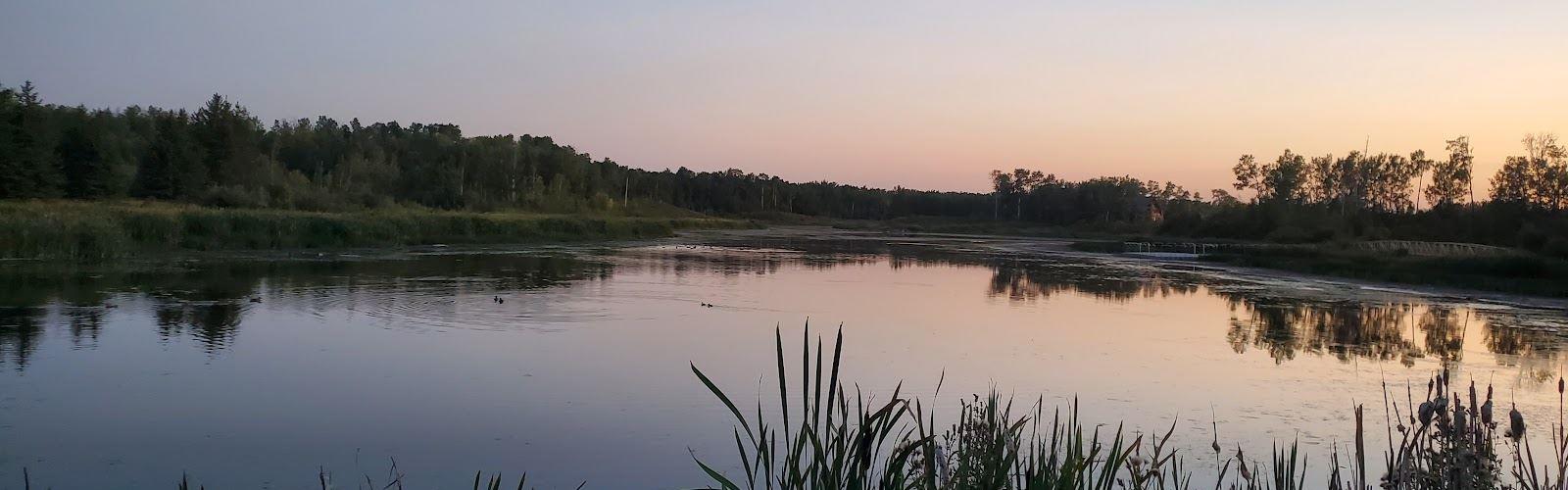
Ready to explore Miquelon Lake Provincial Park? Here's everything you need to know before you go!
Discover the trail
Trail description
Description
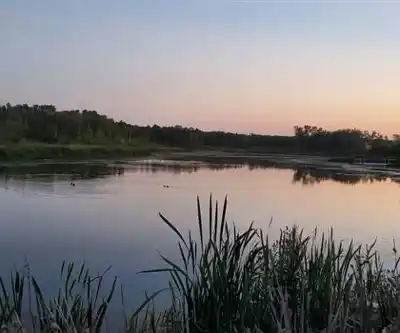
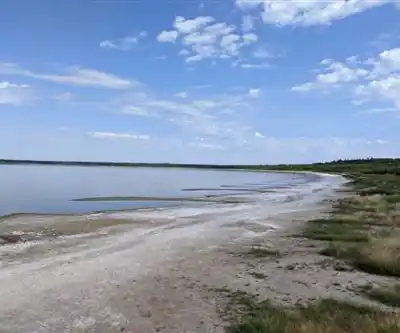
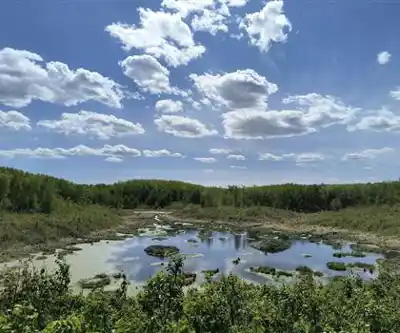
Miquelon Lake Provincial Park sits in Alberta's aspen parkland, about an hour east of Edmonton, where the prairie gradually gives way to boreal forest. This 2,600-hectare park offers a surprisingly diverse landscape that feels worlds away from the surrounding agricultural land. The transition zone between ecosystems creates unique hiking opportunities through mixed terrain that changes character as you move between different areas of the park.
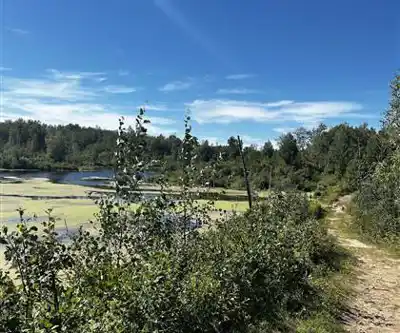
The park's extensive trail network spans over 20 kilometers of well-maintained paths that wind through distinctly different environments. You'll move from dense aspen groves where the canopy filters sunlight into dappled patterns on the forest floor, to open meadows where native grasses sway in the wind and wildflowers bloom throughout the growing season. The relatively flat terrain makes for easy walking, with gentle undulations that provide just enough variety to keep things interesting without demanding serious elevation changes.
Trail Experience and Terrain
The hiking here feels more like exploring a series of connected natural rooms than following a single continuous trail. Each section of path reveals different aspects of the park's character, and the interconnected route system allows you to customize your experience based on energy level and available time. In the forested areas, the trail surface is typically soft underfoot with a mix of dirt and fallen leaves, while the meadow sections can be grassier and more open to weather conditions.
The well-maintained paths make navigation straightforward, with clear signage at major junctions. You can easily piece together shorter loops for a quick nature walk or commit to longer routes that showcase the full range of the park's ecosystems. The terrain remains consistently gentle throughout, making this an accessible destination for hikers of varying fitness levels who want to experience diverse natural environments without technical challenges.
What sets this trail system apart is how dramatically the environment shifts as you move between sections. One moment you're walking through cathedral-like aspen stands where the light plays through leaves overhead, and the next you're crossing open grassland with expansive views toward the lake. These transitions happen gradually enough that each feels natural, but distinctly enough that every section of trail offers something different to observe and experience.
Wildlife and Natural Features
Wildlife encounters are common throughout the trail system, thanks to the diversity of habitats packed into the park's boundaries. Deer frequently browse in the meadow edges, especially during early morning and evening hours when they're most comfortable moving into open areas. Beavers have created several active areas near water features, and their engineering projects add interesting focal points along certain trail sections where you can observe their ongoing work on dams and lodges.
The mix of habitats supports an impressive variety of bird species, making this one of Alberta's more reliable spots for wildlife observation during hiking. As part of the Beaver Hills Biosphere Reserve and designated as an Important Bird Area, Miquelon Lake attracts serious birdwatchers alongside casual hikers. Pelicans and herons work the shallow areas of the lake, while bald eagles soar overhead and nest in the taller trees.
The transition between forest and grassland creates edge habitat that many species prefer, so bringing binoculars adds significantly to the hiking experience here. Bird activity varies notably with the seasons, but even during quieter periods, the variety of habitats means you're likely to encounter different species as you move between trail sections. The open water, wetland edges, forest interior, and meadow areas each support their own communities of wildlife.
Lake Access and Water Features
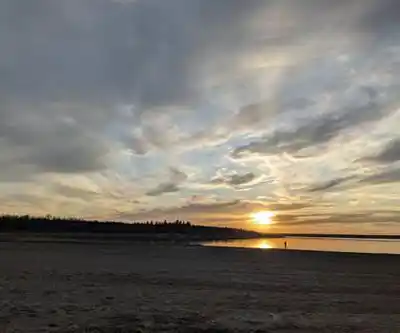
Miquelon Lake itself serves as both a destination and a different way to experience the park's landscape. The shoreline provides a natural turnaround point for many hiking routes, and the tranquil water offers a peaceful spot to rest and observe the surrounding environment from a new perspective. During warmer months, designated swimming areas provide opportunities to cool off after hiking, though the water temperature remains quite refreshing even in summer.
The lake's relatively protected nature and the park's position in the aspen parkland create unique viewing opportunities from the water's edge. You can observe how the different ecosystems meet at the shoreline, and the open water provides sight lines back toward the forested areas that give you a completely different perspective on the landscape you've just hiked through.
Canoeing and kayaking open up additional exploration possibilities, allowing you to see the park's forested edges from the water and potentially spot wildlife that stays closer to the lake's quieter bays and inlets. The calm conditions typical of this protected lake mean that even novice paddlers can enjoy the water safely in most weather conditions.
Camping and Extended Experiences
The park's campgrounds accommodate both tent campers and RV users, with sites that include fire pits and picnic tables as standard amenities. The camping areas are positioned to take advantage of the park's natural setting while providing reasonable access to facilities and trail access points. Spending a night here transforms the hiking experience, as the park's character changes notably between day and evening hours.
Wildlife activity shifts with the light, and the sounds of the forest and lake create a completely different atmosphere after dark. Waking up in the park means you can hit the trails during the optimal early morning hours when wildlife is most active and the light creates the best conditions for photography and observation. The star visibility on clear nights is notably better than what most visitors experience closer to urban areas.
Seasonal Character
The park's character changes significantly with Alberta's seasons, affecting both the hiking experience and what you'll encounter along the trails. Spring brings migrating birds and emerging wildflowers, while summer offers the fullest forest canopy and warmest lake conditions. Fall transforms the aspen groves into golden corridors, creating some of the most photogenic hiking conditions of the year.
Winter use is possible but requires different preparation and expectations, as the trail system takes on a completely different character under snow. The relatively low elevation and prairie-influenced climate mean that conditions here can be quite different from what you might expect in other Alberta parks, often with earlier springs and later falls extending the comfortable hiking season well beyond what you'd find at higher elevations.
Ready to go?
Everything you need to know before you goStarting Point
The miquelon lake provincial park is located in Alberta, Canada. To get to the start of the trails, take Highway 2 west from Edmonton to the town of Barrhead. In Barrhead, turn north on Highway 33 and drive for about 30 minutes until you reach the park.
When?
How much?
- Hiking shoes Essential
- Layered clothing Essential
- Rain jacket Essential
- Trekking poles
- Headlamp
FAQ - Frequently asked questions
Everything you need to knowThe Essential Hiking Checklist
Everything you need for your next hike. Bilingual, printable, 1 page.
Download the free checklistSimilar hikes nearby
Discover other trails you might enjoy
Lake Annette
Edmonton & Area
Hawrelak Park
Edmonton & Area
Astotin Lake
Edmonton & Area
Telford Lake Boardwalk
Edmonton & Area
Muttart Conservatory
Edmonton & Area
Government House Park
Edmonton & Area
Hiking near Edmonton
42 trails to explore ~52 km away
We work hard to provide the most up-to-date and error-free data possible. If something seems incorrect, let us know! Your contribution helps the whole community.
Hikers' opinions