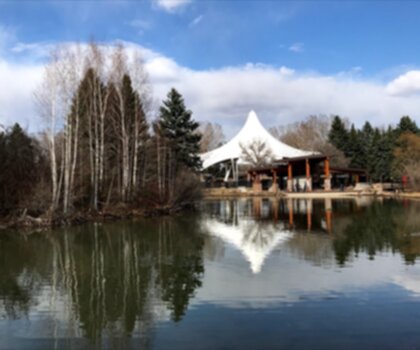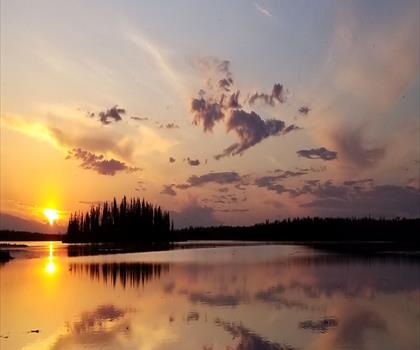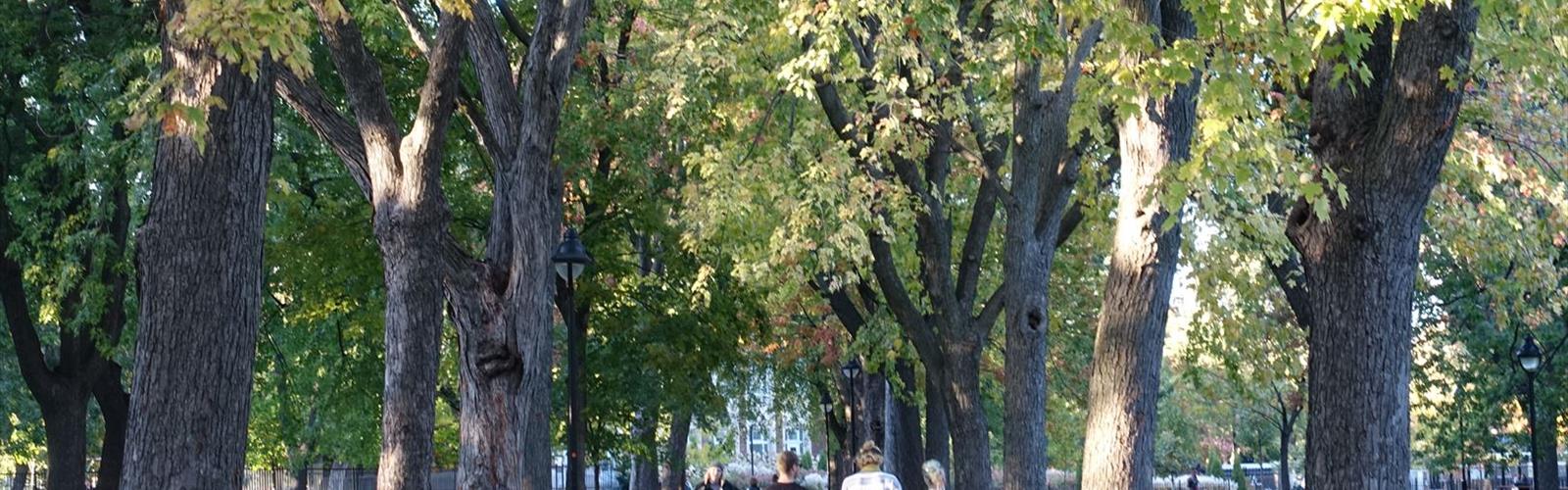
Hiking Sir Wilfrid Laurier Park - panoramic view  tree outdoor landscape nature mountain sky autumn plant cloud background lake painting forest surrounded distance
--°C
Loading...
See forecast →

Hiking in Sir Wilfrid Laurier Park: trails, map and practical info

Edmonton & Area • Alberta

4.6 Appreciated by 33 hikers
François Dumaine
By François DumaineContributor since 2022Updated 26/05/2026
Difficulty
Moderate
Distance
4 km
Elevation
200 ft
Duration
14h30
Max altitude
724 ft

Near Edmonton, this 4.4 km moderate trail climbs 200 m through boreal forest and open meadows in roughly 2.5 hours. The Summit Trail extension rewards hikers with panoramic views across rolling hills, while stream crossings and varied terrain keep the route engaging without overwhelming newer hikers.

Recommended for :
Intermediate hikers

Ready to explore Sir Wilfrid Laurier Park? Here's everything you need to know before you go!

Discover the trail
Oh no! We don't have any photos 😢

This trail hasn't been captured yet. Be the first to share your adventure!

Trail description

Description

Sir Wilfrid Laurier Park sits in the Edmonton area, offering hikers a taste of diverse Canadian terrain without the crowds of more famous destinations. This 4.4-kilometer trail system winds through varied landscapes that shift from dense boreal forest to open meadows, with 200 meters of elevation gain that keeps things interesting without overwhelming newer hikers.

The park's location makes it particularly valuable for Edmonton-area residents looking for a solid day hike that feels more remote than it actually is. The moderate difficulty rating reflects the mix of terrain you'll encounter—some steady climbs, a few technical sections where you'll need to watch your footing, and plenty of easier stretches where you can focus on the scenery. What sets this place apart from other regional trails is how quickly it transitions between different ecosystems, giving you a compressed tour of Alberta's natural diversity in a single outing.

Trail Network and Terrain

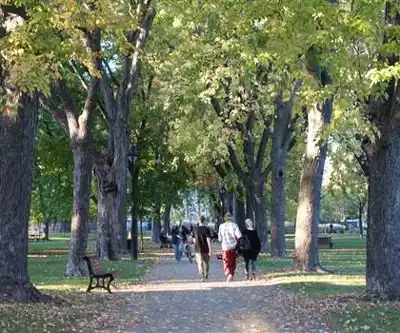
The trail system here takes you through a constantly changing landscape that keeps your attention throughout the hike. You'll start in dense boreal forest where the canopy creates a natural cathedral effect, filtering sunlight into dappled patterns on the forest floor. The path follows crystal-clear streams for portions of the route, and you'll cross several small bridges that offer perfect spots to pause and listen to the water moving over rocks.

As you gain elevation, the forest opens up into meadow areas that provide a completely different hiking experience. These clearings give you breathing room and longer sight lines, plus they're where you'll encounter most of the park's wildlife. The contrast between the enclosed feeling of the forest sections and the openness of the meadows makes the trail feel longer and more varied than its distance might suggest.

The terrain varies significantly as you move through the park. In the forested sections, you'll navigate root-crossed paths and occasional rocky outcrops that require careful foot placement. The meadow areas open up into gentler walking, though the grass can be wet in the morning or after rain. Some sections follow old logging roads or fire breaks, making for easier navigation and faster hiking when you want to cover ground quickly.

The 200-meter elevation gain is distributed throughout the hike rather than concentrated in one brutal climb. You'll have several moderate ascents that get your heart rate up, followed by gentler sections or even slight descents that let you recover. The steeper portions reward you with better views across the surrounding landscape, giving you a sense of the broader geography of the Edmonton area.

Wildlife and Natural Features

The park's ecosystem supports a healthy population of wildlife that you're likely to encounter during your visit. Deer are common throughout the area, particularly in the open meadows during early morning and late afternoon hours. They're generally tolerant of hikers but will move off if you approach too closely. The forest sections echo with bird calls throughout the day—woodpeckers working on dead snags, songbirds moving through the understory, and occasionally the harsh call of ravens from the treetops.

During spring and summer months, the meadows and forest clearings burst with wildflowers that add significant color to your hiking experience. The timing varies with weather patterns, but typically you'll see the best displays from late May through July. These flowering areas also attract butterflies and other pollinators, making them particularly rewarding spots to take breaks and observe the smaller details of the ecosystem.

The streams that wind through the park support their own communities of wildlife. You might spot water striders on calm pools, or catch glimpses of small fish in the clearer sections. The riparian areas along these waterways often have different vegetation than the surrounding forest, creating microhabitats that support different bird species and plant communities.

What makes the wildlife viewing here particularly good is the variety of habitats packed into a relatively small area. You can go from watching forest birds in the dense canopy to scanning meadows for deer to observing aquatic life along the streams, all within the same hike.

Seasonal Considerations and Planning

The character of Sir Wilfrid Laurier Park changes dramatically with the seasons, and each offers its own rewards for hikers. Spring brings the wildflower displays and the energetic activity of wildlife emerging from winter, but trails can be muddy and some sections may have standing water from snowmelt. Summer provides the most reliable trail conditions and the longest daylight hours, though it also brings the heaviest visitor use and the possibility of afternoon thunderstorms.

Fall transforms the deciduous trees into a showcase of color, and the cooler temperatures make for comfortable hiking conditions. Wildlife activity picks up again as animals prepare for winter. The meadow areas are particularly striking in autumn when the grasses turn golden and contrast with the changing leaves of the scattered trees.

Winter hiking is possible but requires appropriate gear and experience with snow conditions, as the trails are not maintained during the colder months. The forest sections can be especially beautiful after fresh snowfall, but the stream crossings become more challenging and potentially hazardous.

Practical Hiking Information

Water is essential for this hike, even though you'll be near streams for portions of the route. Carry at least one liter per person, and consider bringing a water filter if you want to refill from natural sources. The elevation gain and varied terrain mean you'll work up a sweat, particularly on warmer days.

Appropriate footwear makes a significant difference on these trails. The rocky sections and stream crossings can be slippery, especially when wet, so boots or shoes with good traction are important. Hiking poles can be helpful on the steeper sections and when navigating the rockier terrain, though they're not essential for most hikers.

Pack snacks or lunch to fuel your hike, as you'll likely want food along the way. The meadow areas and stream crossings provide natural rest spots where you can eat while enjoying the scenery. Weather in this region can change quickly, so bring layers that you can add or remove as conditions shift throughout your hike.

Ready to go?

Everything you need to know before you go

Where?

Address
13221 Buena Vista Rd NW, Edmonton, AB T5J 2R7, Canada
GPS coordinates
53.5095381, -113.54884
Phone
Not available

Starting Point

The sir wilfrid laurier park is located in Alberta. To get to the start of the trails, take Highway 2 west to Highway 22. Take Highway 22 south to Highway 6. Take Highway 6 east to the park.

When?

Opening hours
From sunrise to sunset
Varies by season
Best season
Fall
Spectacular colors
Best time
Early morning
Less crowded
Weather (next days)
Loading

How much?

Entry fees
Adult
Not available
Child
What to bring?
Gear
  • Hiking shoes Essential
  • Layered clothing Essential
  • Rain jacket Essential
  • Trekking poles
  • Headlamp
Download the PDF checklist
Water & food
2L minimum
No water point on the trail
Bring energy snacks for a 4h+ hike
Good to know
Park rules
No dogs
Safety
Download the GPX before you go
Limited cellular coverage on the trail
Slippery after rain
Be careful on rocky sections
In an emergency
Emergency
911
Parking GPS
53.5095381, -113.54884
Center
Not available

Hikers' opinions

4.6
11 Reviews
R
Robert
Oct 28, 2025
Challenging scramble that demands respect and proper preparation from all participants. Technical sections near the summit require solid rock climbing abilities and experience with exposed terrain. Starting at dawn helps avoid afternoon thunderstorms common in the region. Helmet protection is absolutely essential due to loose rock hazards, and a stable weather window is critical before attempting this demanding route.
M
Marcus
Sep 15, 2025
Exceptional fall hiking experience with ideal weather conditions and crisp mountain air. The rock formations vary in quality throughout the route, requiring careful foot placement on certain sections. Wearing approach shoes made a significant difference on the scrambling portions. The descent proved more time-consuming than anticipated due to loose terrain, but the vibrant larch foliage in late September made the entire adventure worthwhile.
J
Jennifer
Aug 22, 2025
Rewarding outdoor adventure with stunning panoramic views of the surrounding valley and peaks as elevation increases. The initial forest section features clear markings, but navigation becomes considerably more challenging once you reach the scree slopes. The scrambling sections offer genuine excitement and a real sense of accomplishment. Allow approximately six to seven hours including rest breaks, and bring detailed topographic maps or GPS for route-finding assistance.
S
Sarah
Jul 9, 2025
Turned back due to deteriorating weather conditions but still enjoyed a solid workout on the lower trail sections. Parking areas filled completely by early morning on summer weekends, creating access challenges. The well-marked forest portion transitions dramatically into demanding scree slopes requiring careful navigation. Planning an earlier departure and waiting for improved conditions would enhance the overall experience significantly.
D
David
May 18, 2025
Early season adventure with winter conditions still present above treeline, requiring microspikes for icy patches. Mountain goats were actively visible on the upper cliff faces, providing memorable wildlife encounters. The solitude during early season was remarkable compared to summer crowds. Avalanche assessment and proper winter gear remain essential even in late spring, making this a serious undertaking for experienced mountaineers.

FAQ - Frequently asked questions

Everything you need to know
Moderate
200.00
724.00
14h30
No
No
The Sir Wilfrid Laurier Park trail is rated as moderate difficulty. This makes it suitable for hikers with some experience, though it may be challenging for complete beginners.
The Sir Wilfrid Laurier Park trail features 200 m of elevation gain. This moderate elevation change contributes to the trail's moderate difficulty rating.
No, dogs are not permitted on the Sir Wilfrid Laurier Park trails. Plan accordingly if you typically hike with your pet.
Sir Wilfrid Laurier Park is open from sunrise to sunset. Check the current seasonal sunrise and sunset times before planning your visit.
Didn't find your answer?
Free 1 pages

The Essential Hiking Checklist

Everything you need for your next hike. Bilingual, printable, 1 page.

Download the free checklist
Top 10 best hiking in Edmonton & Area
Our ranking based on hiker reviews

Hiking near Edmonton

42 trails to explore ~5 km away

View trails
Did you spot an error?

We work hard to provide the most up-to-date and error-free data possible. If something seems incorrect, let us know!

Update : June 2026