
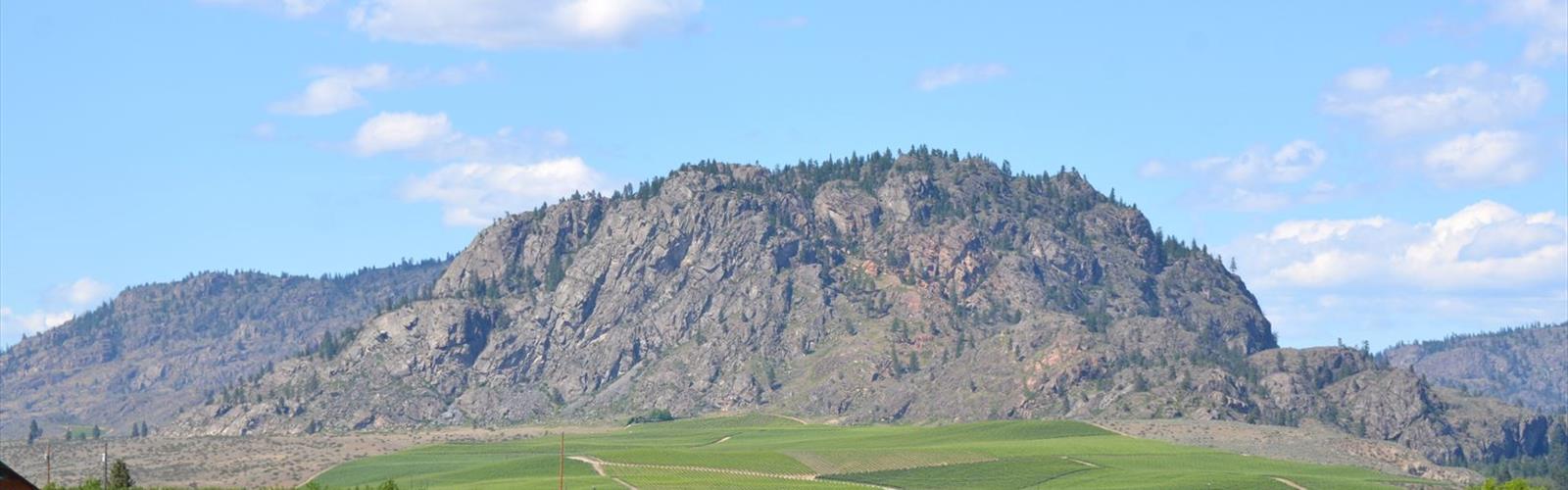

Ready to explore Okanagan Falls? Here's everything you need to know before you go!
Discover the trail
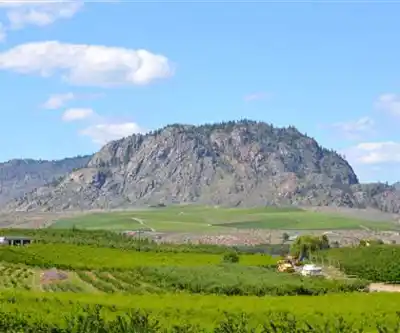
Trail description
The Okanagan Falls present a striking series of waterfalls cascading along the Okanagan River as it flows through British Columbia's renowned wine country. These falls offer visitors two distinct experiences: the Upper Falls near the town of Okanagan Falls and the Lower Falls closer to Penticton, both easily accessible from Highway 97 that runs through the heart of the valley.
What makes these falls particularly compelling is their dramatic scale and the contrasting character of each section. The Upper Falls consist of two powerful waterfalls that plunge a combined 47 meters (154 feet) down carved rock faces, creating a thunderous display especially during spring runoff. The sound of rushing water echoes off the surrounding canyon walls, and mist rises from the pools below, creating an almost ethereal atmosphere on sunny days when rainbows frequently appear in the spray.
The Lower Falls, while slightly shorter at 41 meters (135 feet) total height, offer their own unique appeal with three separate cascades that create a more complex water feature. Each of the three falls has its own character - some dropping straight down over sheer rock faces while others tumble over stepped terrain, creating varied pools and eddies that reflect the surrounding landscape.
The Okanagan River System
Understanding the river system helps appreciate what you're seeing at the falls. The Okanagan River originates from Okanagan Lake and flows southward through the valley, eventually crossing into Washington state. The river's flow is regulated by dams at both ends of the valley, creating Lake Vernon to the north and what the original content refers to as Penticton Lake, though this likely refers to Skaha Lake near Penticton. This regulation means the falls maintain a relatively consistent flow throughout most of the year, though they're most impressive during spring when snowmelt from the surrounding mountains swells the river.
The geological story behind these falls dates back to the last ice age, when massive glaciers carved out the Okanagan Valley. As the ice retreated, it left behind the dramatic elevation changes that create these waterfalls today. The rock formations you'll see are part of the region's complex geological history, with layers of sedimentary and volcanic rock telling the story of ancient lake beds and volcanic activity.
Accessing the Upper Falls
The Upper Falls are located near the town of Okanagan Falls, making them easily accessible for visitors traveling south from Vernon on Highway 97. The town itself serves as a convenient base, with the falls being one of the community's main attractions. The proximity to the highway means you won't need to embark on a lengthy hike to reach viewpoints, though the exact trail access and viewing areas will depend on current conditions and local trail development.
From the Upper Falls area, you'll be surrounded by the characteristic landscape of the South Okanagan - dry grasslands dotted with ponderosa pines, sagebrush, and in spring, vibrant wildflowers. The contrast between the lush, green riparian zone along the river and the more arid hillsides creates a unique ecosystem that supports diverse wildlife.
Exploring the Lower Falls
The Lower Falls near Penticton offer a different experience, accessible by traveling north from Kelowna on Highway 97. Penticton's location between Okanagan Lake and Skaha Lake makes it a natural hub for water-based recreation, and the Lower Falls add another dimension to the area's aquatic attractions.
The three-tiered nature of the Lower Falls creates multiple vantage points and photographic opportunities. Each level offers different perspectives on the water's journey downward, and the varied flow patterns create different moods throughout the day as lighting conditions change. Early morning and late afternoon typically provide the most dramatic lighting for photography.
Valley Context and Surroundings
Both sets of falls are situated within the broader context of the Okanagan Valley, one of British Columbia's most distinctive regions. The valley's reputation for vineyards and orchards means your visit to the falls can easily be combined with wine tasting, fruit picking (depending on season), or exploring the numerous farm stands and agricultural operations that define the area's character.
The surrounding mountains provide a dramatic backdrop to the falls, with peaks rising on all sides of the valley. This geography creates the valley's famous microclimate - hot, dry summers and mild winters that make it ideal for agriculture and outdoor recreation. The mountains also contribute to the falls' water supply through snowmelt and seasonal runoff patterns.
The elevation gain of 300 meters mentioned in the trail data suggests there may be hiking opportunities that take you to higher viewpoints or along canyon rims, providing elevated perspectives of the falls and the broader valley landscape. These higher vantage points would offer excellent opportunities to understand the geological forces that created these features and to appreciate the falls within their larger geographic context.
Seasonal Considerations
The character of both the Upper and Lower Falls changes significantly with the seasons. Spring typically brings the highest water volumes as mountain snowpack melts, creating the most dramatic displays but also potentially more challenging viewing conditions due to increased spray and mist. Summer offers more stable conditions with clearer viewing, while fall can provide excellent photography opportunities with changing foliage in the riparian areas contrasting against the flowing water.
Winter visits offer their own rewards, with potential ice formations adding sculptural elements to the falls, though access conditions may be more challenging depending on weather and trail maintenance. The Okanagan's relatively mild winter climate means the falls rarely freeze completely, maintaining their dynamic character year-round.
The Essential Hiking Checklist
Everything you need for your next hike. Bilingual, printable, 1 page.
Get your free hiking checklistRecommended gear for this trail
As an Amazon Associate I earn from qualifying purchases.


Ready to go?
Everything you need to know before you goStarting Point
The start of the trails at the okanagan falls in British Columbia can be accessed by travelling east on Highway 97 from Vernon. The turnoff for the falls is located just north of the town of okanagan falls.
When?
How much?
As an Amazon Associate I earn from qualifying purchases.
Affiliate links — LGPO may earn a commission at no extra cost to you.
- Hiking shoes Essential
- → Salomon Elixir Tour Mid WP · 203.38 $
- Layered clothing Essential
- Rain jacket Essential
- Trekking poles
- → Black Diamond Trail Ergo Cork · 69.99 $
- Headlamp
- → Petzl Actik Core 625 · 103.95 $
FAQ - Frequently asked questions
Everything you need to knowSimilar hikes nearby
Discover other trails you might enjoy

Big White Ski Resort
Thompson Okanagan
Cougar Canyon
Thompson Okanagan
Spectrum Lake
Thompson Okanagan
Kentucky Lake
Thompson Okanagan
Clearwater Lake
Thompson Okanagan
Mahood Lake
Thompson Okanagan
Hiking near Kelowna
45 trails to explore ~61 km away
We work hard to provide the most up-to-date and error-free data possible. If something seems incorrect, let us know! Your contribution helps the whole community.
Hikers' opinions
Be the first to review!
No hiker has shared their experience yet. Share your impressions and help other hikers!