
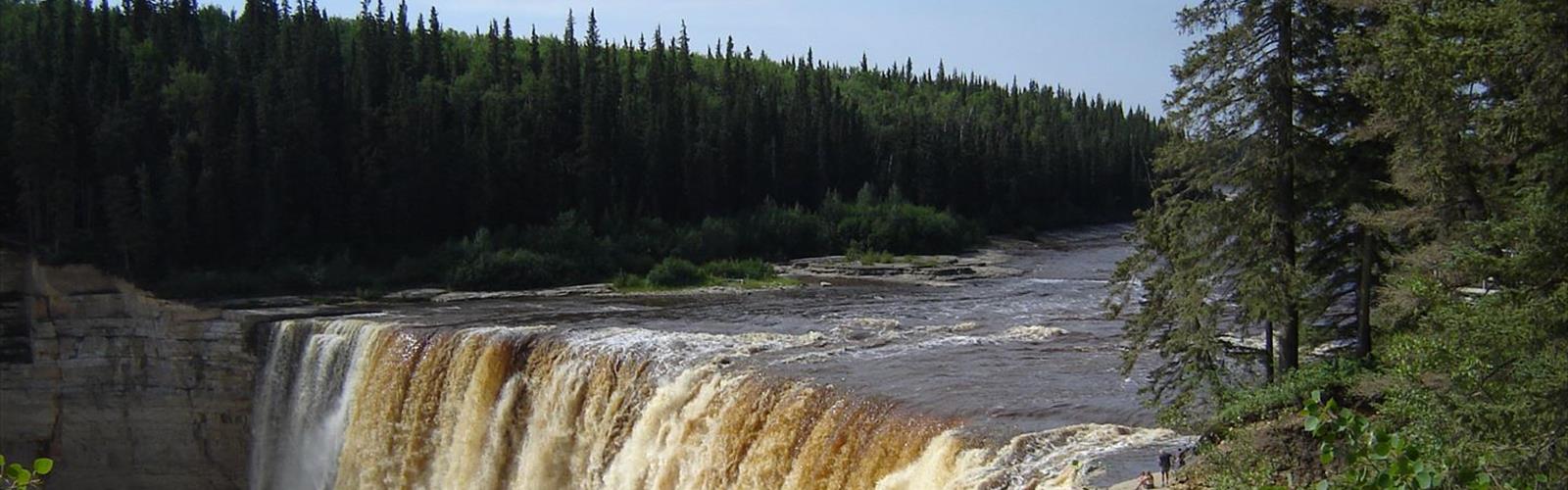

Ready to explore Alexander Falls? Here's everything you need to know before you go!
Discover the trail
Trail description
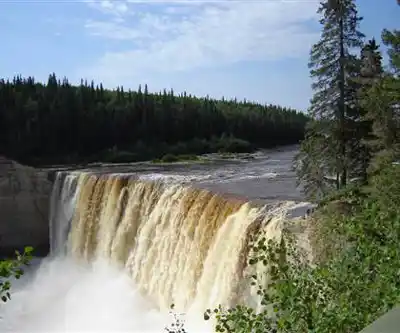
Alexander Falls is one of the most rewarding quick stops in the Callaghan Valley, delivering a genuine mountain waterfall experience without demanding much from your legs. The falls drop 43 meters (141 feet) in three distinct tiers, each with its own character — the upper section plunges hard into a rocky pool, then the water continues down two more levels with progressively wider spray. The mist reaches you well before you see the full cascade, which is a good sign you're getting close.
Located just outside Whistler along Callaghan Valley Road, Alexander Falls sits within a provincial park and draws visitors year-round. The combination of easy access and genuine visual impact makes it a reliable destination whether you're looking for a short outing or a base for exploring the broader valley trail network.
Getting There
From Whistler Village, take Highway 99 south toward Vancouver for roughly 10 kilometers (6 miles). The turn onto Callaghan Valley Road is well-signed and easy to catch on the right. From there, follow Callaghan Valley Road for about 9 kilometers (5.6 miles) through mixed forest until you reach the Alexander Falls Provincial Park parking area. The road doesn't require any technical driving, and the parking lot is clearly marked with enough space for most vehicles. On busy summer weekends and holidays, the lot can fill up, so arriving earlier in the day helps.
The Main Viewpoint
The walk from the parking area to the main viewing platform is short and flat, passing through coastal mountain forest with Douglas fir, western hemlock, and cedar. The path is well-maintained and accessible to visitors of most ages and mobility levels. As you walk, the sound of the falls builds steadily — by the time the platform comes into view, the roar is already substantial.
The viewing platform is positioned to give you the full picture: all three tiers visible at once, with enough distance to stay safe from the steep and slippery terrain near the water. The mist creates a noticeably cooler microclimate right at the platform, which is welcome on warm summer days. On sunny mornings and early afternoons, the spray can produce rainbow effects worth watching for.
Beyond the Viewpoint
For those wanting more than a quick look, informal trails extend past the main viewing area and connect into the Callaghan Valley's broader trail network. These paths offer different angles on the falls and access to more remote terrain, but they're not maintained to the same standard as the main trail. Appropriate footwear and more caution are needed if you head off the primary route.
The Journeyman Lodge Trail is the main longer hiking option within the same valley system, offering a different experience with varied terrain and mountain views. The Callaghan Valley trail network also connects to routes that served as venues during the 2010 Winter Olympics, adding some historical context to the landscape. For more demanding objectives, Garibaldi Provincial Park is within reasonable driving distance and offers full-day and multi-day options with alpine lakes and glacial terrain.
Seasonal Conditions
The falls run year-round, but the experience shifts considerably by season. Late spring and early summer — particularly June and July — bring peak snowmelt, which pushes the water volume to its highest and most dramatic levels. The surrounding forest is dense and green, and the mist from the falls is at its most intense.
Winter visits have their own appeal: ice formations develop along the rock faces and surrounding vegetation, the forest quiets down, and crowds thin out considerably. Road conditions on Callaghan Valley Road can be variable in winter, so checking before you go is worth the few minutes it takes. The trail itself can be icy near the viewing area due to mist freeze.
Spring and fall offer a middle ground — moderate water levels, fewer visitors, and in fall, some deciduous color mixed into the evergreen forest. These shoulder seasons are often the most comfortable for spending extra time in the area without competing for space at the platform.
What to Bring
The short distance to the main viewpoint means you don't need a full day pack, but a few basics make the visit more comfortable. Water and a snack are worth having if you plan to explore beyond the platform. Footwear with some grip matters — the trail can be muddy in wet conditions, and the mist from the falls keeps the area around the platform consistently damp. If you're visiting in winter, traction devices for your footwear are a practical addition.
Photography works well throughout the day, though morning light tends to give the best contrast on the rock faces and water. The mist can affect lenses quickly at the platform, so a lens cloth is useful to have on hand.
The Essential Hiking Checklist
Everything you need for your next hike. Bilingual, printable, 1 page.
Get your free hiking checklistRecommended gear for this trail
As an Amazon Associate I earn from qualifying purchases.


Ready to go?
Everything you need to know before you goStarting Point
The start of the trails at the alexander falls in British Columbia can be accessed from the parking lot located off of the Sea to Sky Highway.
When?
How much?
As an Amazon Associate I earn from qualifying purchases.
Affiliate links — LGPO may earn a commission at no extra cost to you.
- Hiking shoes Essential
- → Salomon Elixir Tour Mid WP · 203.38 $
- Layered clothing Essential
- Rain jacket Essential
- Trekking poles
- → Black Diamond Trail Ergo Cork · 69.99 $
- Headlamp
- → Petzl Actik Core 625 · 103.95 $
FAQ - Frequently asked questions
Everything you need to knowSimilar hikes nearby
Discover other trails you might enjoy
Bridle Path
Vancouver Coast Mountains
Flora Lake
Vancouver Coast Mountains

Alouette Mountain
Vancouver Coast Mountains
Williamson Lake
Vancouver Coast Mountains
Brandywine Mountain
Vancouver Coast Mountains

Coliseum Mountain
Vancouver Coast Mountains
Hiking near Whistler
160 trails to explore ~12 km away
We work hard to provide the most up-to-date and error-free data possible. If something seems incorrect, let us know! Your contribution helps the whole community.
Hikers' opinions
Be the first to review!
No hiker has shared their experience yet. Share your impressions and help other hikers!