

Ready to explore Anderson Lake? Here's everything you need to know before you go!
Discover the trail
Trail description
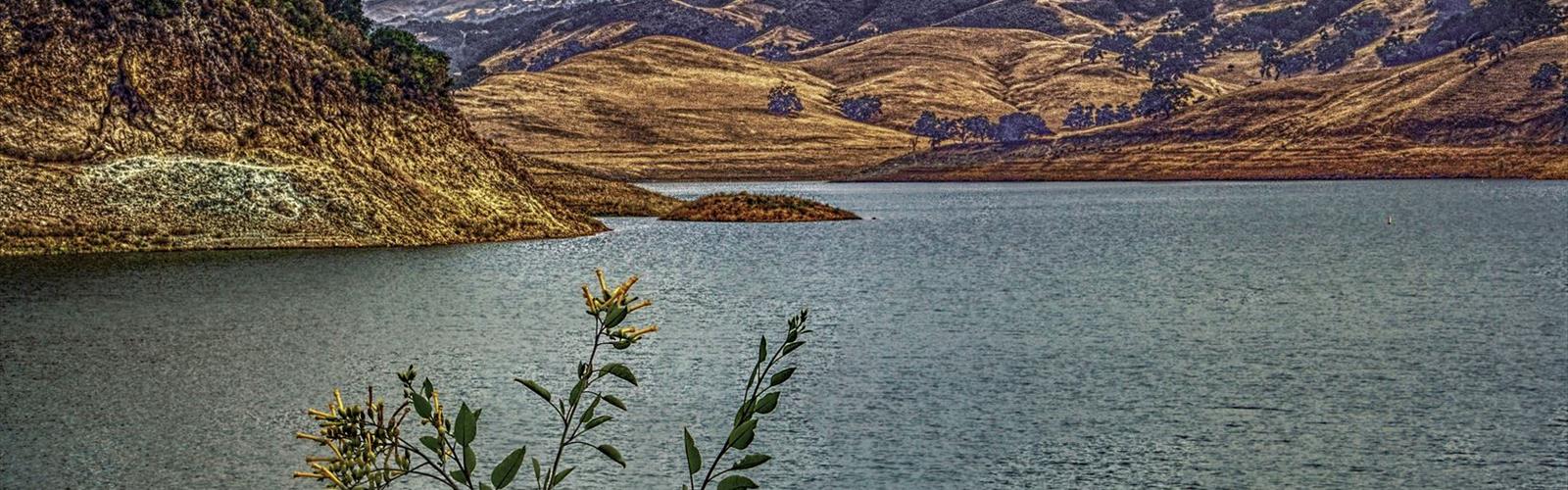
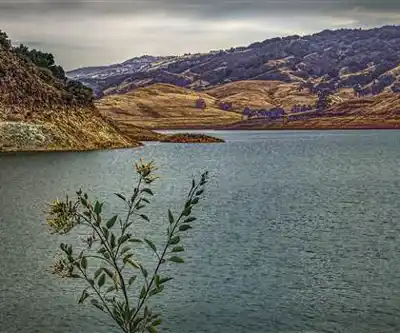
Anderson Lake is one of the larger alpine lakes in the Vancouver Coast Mountains, stretching 21 kilometers through a dramatic glacially-carved valley surrounded by towering peaks. Located within a few hours of Vancouver, it offers a genuine backcountry feel without requiring a multi-day expedition to reach — a combination that makes it worth the drive for hikers looking to get away from the crowds of more accessible destinations.
The lake sits in a natural amphitheater of rock and forest, and its scale only becomes clear once you're actually on the trail. What looks like a contained mountain lake from a distance keeps revealing itself around each bend, the water shifting between deep blue and emerald green depending on the light. The surrounding peaks reflect off the surface on calm days, creating the kind of scenery that makes you stop walking and just look for a while.
The Trail
The main trail follows the lake's perimeter for 13 kilometers with 300 meters of elevation gain spread across the route, making it a solid moderate day hike that most reasonably fit hikers can complete in around 4.5 hours. The elevation gain is gradual enough that it never feels punishing, but there's enough terrain variation to keep things interesting throughout.
The trail surface changes as you move along the route. You'll cover packed earth and root-laced forest floor through the denser sections, then transition to rockier ground where the path hugs the hillside above the water. A few sections require a bit more attention underfoot, particularly after rain when the soil gets slick, but nothing that demands technical skills. Sturdy hiking boots with good grip will serve you better here than trail runners, especially in wet conditions.
Multiple access points along the route give you flexibility. You can do the full loop, set up a point-to-point with a shuttle, or simply head out and back from the main trailhead to whatever distance suits your group. Families with kids or hikers looking for a shorter outing can get a satisfying experience without committing to the full 13 kilometers.
Forest and Ecosystems
Much of the hike moves through dense coastal forest dominated by Douglas fir and western red cedar, some of which have been growing for several hundred years. The canopy overhead creates a green tunnel effect that's especially striking in the morning light. Understory vegetation includes salmonberry, huckleberry, and a variety of fern species — classic Pacific Northwest forest composition that feels lush and layered.
The forest opens up in sections, revealing rocky outcrops that serve as natural viewpoints over the lake. These spots are worth pausing at, both for the views and as rest points before heading back into the trees. During spring and early summer, wildflowers appear in the more open areas, adding color to the otherwise green-dominated landscape.
Wildlife
Bald eagles are a regular presence here, either soaring above the water or perched in the large old-growth trees along the shore. Their calls carry across the lake and are often the first sign you're near the water before you can see it. Black-tailed deer are common in the forested sections, particularly in the early morning and evening when they move into the more open areas to graze.
The lake supports healthy trout populations, and it's not unusual to see fish breaking the surface on calm stretches of water. Black bears are present in the area, though the lake's size and the bears' natural wariness of people means encounters are uncommon. Standard bear awareness practices apply — make noise on the trail, store food properly, and know what to do if you do cross paths with one.
On the Water
Anderson Lake's protected setting and generally calm surface make it well-suited for paddling. Kayakers and canoeists can access the water from several natural launch points along the hiking trail, and the lake's 21-kilometer length means there's plenty to explore by paddle. Some of the best views of the surrounding mountain walls are only visible from the water, making a paddling trip a worthwhile complement to the hiking trail.
The water stays cold through most of the year given the lake's depth and mountain elevation, but swimming is possible during warmer summer stretches for those willing to deal with the temperature. Rocky points and small beaches along the shore provide natural spots to sit, eat lunch, and take in the surroundings without committing to a swim.
Fishing is permitted on the lake. Check current regulations before your visit, as rules can change seasonally.
Getting There and What to Bring
The drive from Vancouver takes you through progressively more mountainous terrain, with the final stretch offering views of the peaks surrounding the lake. Parking is available at the main trailhead, though it fills up on busy summer weekends — an early start is the best way to guarantee a spot and avoid the midday crowds on the trail.
There are no fees to access the area, and dogs are welcome as long as they're kept under control. There are no facilities at the trailhead or anywhere along the trail, so plan accordingly. Bring enough water for the full duration of your hike, since the backcountry setting means no services once you leave the parking area. Cell coverage is unreliable throughout most of the route, which is part of the appeal for many visitors but worth knowing before you go.
A day pack with water, food, a rain layer, and a basic first aid kit covers the essentials for a comfortable day out at Anderson Lake.
The Essential Hiking Checklist
Everything you need for your next hike. Bilingual, printable, 1 page.
Get your free hiking checklistRecommended gear for this trail
As an Amazon Associate I earn from qualifying purchases.


Ready to go?
Everything you need to know before you goStarting Point
anderson lake is located in the Fraser Valley of British Columbia. The easiest way to get there is to take Highway 1 east from Vancouver to exit 119. Then take Highway 7 south to the town of Agassiz. From there, follow the signs to anderson lake.
When?
How much?
As an Amazon Associate I earn from qualifying purchases.
Affiliate links — LGPO may earn a commission at no extra cost to you.
- Hiking shoes Essential
- → Salomon Elixir Tour Mid WP · 203.38 $
- Layered clothing Essential
- Rain jacket Essential
- Trekking poles
- → Black Diamond Trail Ergo Cork · 69.99 $
- Headlamp
- → Petzl Actik Core 625 · 103.95 $
FAQ - Frequently asked questions
Everything you need to knowSimilar hikes nearby
Discover other trails you might enjoy
Bridle Path
Vancouver Coast Mountains
Flora Lake
Vancouver Coast Mountains

Alouette Mountain
Vancouver Coast Mountains
Williamson Lake
Vancouver Coast Mountains
Brandywine Mountain
Vancouver Coast Mountains

Coliseum Mountain
Vancouver Coast Mountains
Hiking near Whistler
160 trails to explore ~70 km away
We work hard to provide the most up-to-date and error-free data possible. If something seems incorrect, let us know! Your contribution helps the whole community.
Hikers' opinions
Be the first to review!
No hiker has shared their experience yet. Share your impressions and help other hikers!