Ready to explore Bear Creek? Here's everything you need to know before you go!
Discover the trail
Trail description
Description
Bear Creek cuts through the heart of the Vancouver Coast Mountains, offering hikers a genuine wilderness experience just outside the city. This challenging 19-kilometer trail system winds through old-growth forest and alpine terrain, gaining 800 meters of elevation over its length. Plan for approximately 7 hours and 15 minutes to complete the full route, though shorter options exist for those wanting a taste of what the area offers.
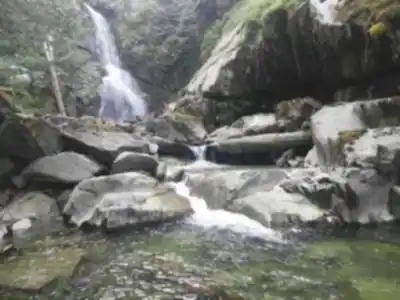
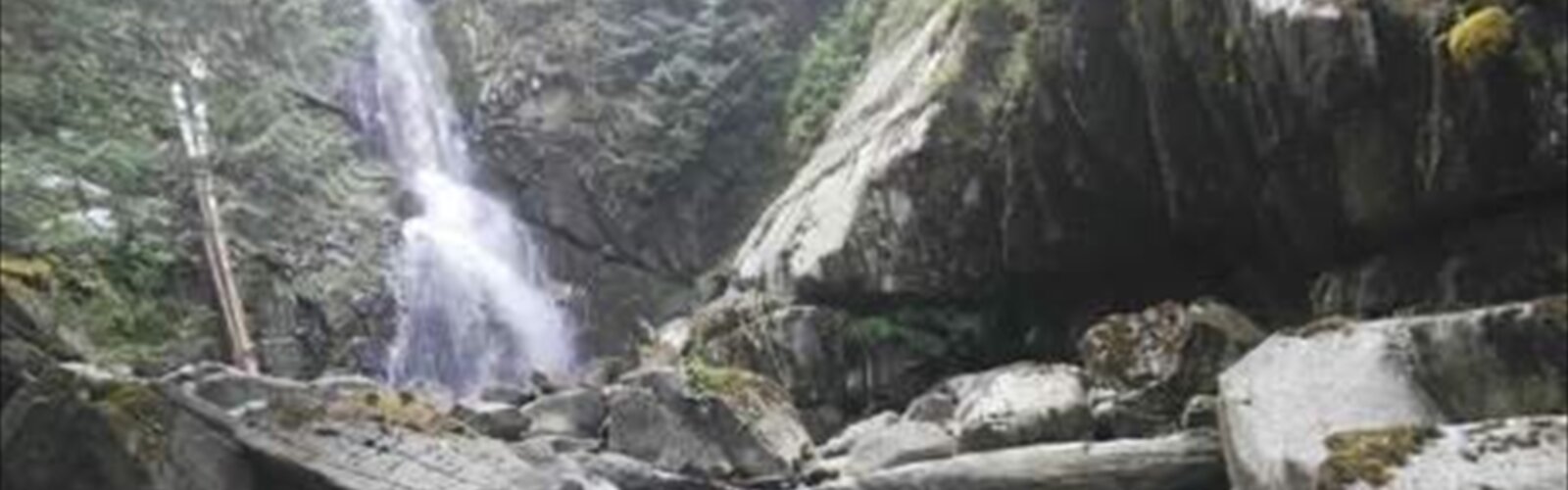
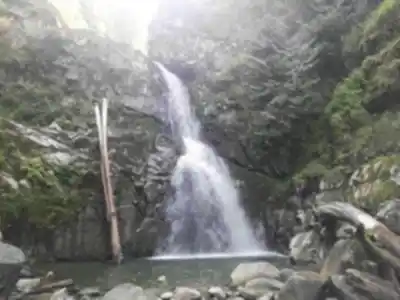
The trail begins in dense coastal forest where towering Douglas firs and western hemlocks create a natural cathedral overhead. The path follows Bear Creek itself for much of the lower section, crossing wooden bridges over rushing water and passing small waterfalls that cascade down moss-covered rocks. The sound of moving water accompanies hikers through these early kilometers, providing a soundtrack that drowns out any city noise.
Trail Terrain and What to Expect
The well-marked paths start gently but become progressively more demanding as elevation increases. Early sections meander through lush understory where ferns carpet the forest floor and fallen logs create natural benches. The trail surface varies from packed earth to rocky sections, particularly as you climb higher into the mountains. Root networks and occasional muddy patches require careful foot placement, especially after recent rainfall.
Around the halfway point, the forest begins to thin and views start opening up. Rocky outcroppings provide natural viewpoints where hikers can see across the Coast Mountain range. On clear days, these vistas stretch to distant peaks and valleys, offering perspective on just how vast this mountain system truly is. The contrast between the intimate forest experience below and these expansive mountain views creates a dynamic hiking experience.
The upper sections of the trail demand significantly more from hikers. Switchbacks carved into steep slopes help manage the grade, but expect to work hard for the elevation gain. The payoff comes in increasingly dramatic scenery as the treeline approaches and alpine meadows begin to appear. Loose rock becomes more common on these higher sections, making sturdy footwear essential for safe passage.
Wildlife and Natural Features
Bear Creek lives up to its name as black bear habitat, though encounters remain relatively uncommon on the main trail. More frequently spotted are black-tailed deer that graze in meadow clearings, particularly during early morning and evening hours. The melodic calls of varied thrushes and Steller's jays echo through the forest canopy, while chipmunks and squirrels rustle through the underbrush.
Seasonal wildflowers transform the landscape throughout the hiking season. Spring brings trilliums and bleeding hearts to the forest floor, while summer sees fireweed and Indian paintbrush coloring the higher elevations. Fall turns the deciduous shrubs brilliant orange and red, creating striking contrast against the evergreen backdrop. The diversity of plant communities changes noticeably with elevation, from the rich understory of the lower forest to the hardy alpine species found near treeline.
The creek itself supports a healthy ecosystem. Salmon runs bring fish upstream during spawning season, attracting both wildlife and observant hikers. Side streams and seeps create micro-environments where different plant communities thrive, adding diversity to the forest composition. These water features also provide natural cooling on warm days and create some of the most photogenic spots along the route.
Challenging Sections and Technical Considerations
The hard difficulty rating reflects several demanding aspects of this trail. The sustained elevation gain becomes particularly noticeable in the final third of the hike, where switchbacks tighten and the grade steepens considerably. Hikers should expect to slow their pace significantly through these sections and take frequent breaks to avoid overexertion.
Stream crossings can present challenges during high water periods, particularly in spring snowmelt season. While bridges handle the main creek crossings, several tributary streams require rock-hopping or careful wading. Water levels can change rapidly with weather conditions, so assess each crossing carefully and turn back if conditions seem unsafe.
Navigation becomes more critical in the upper elevations where the trail may be less obvious among rocky terrain. Weather can deteriorate quickly at higher elevations, reducing visibility and making route-finding more difficult. The combination of technical terrain and potential weather exposure makes this trail unsuitable for inexperienced hikers.
Rest Areas and Strategic Break Points
Several designated rest areas with benches are strategically placed along the trail, typically at viewpoints or stream crossings. These spots offer natural break points for hikers to catch their breath and take in surroundings. The most popular rest area sits about 8 kilometers in, where a large clearing provides panoramic mountain views and space for groups to spread out.
Picturesque picnic spots are scattered throughout the Bear Creek area, ranging from intimate streamside clearings to larger meadows that can accommodate families or hiking groups. These areas lack formal facilities, so pack out all trash and follow Leave No Trace principles. The tranquil ambiance at these spots makes them ideal for extended breaks or lunch stops, particularly important given the trail's demanding nature and long duration.
No washroom facilities exist along the trail, so plan accordingly. The nearest services are back at the trailhead area or in nearby communities. Given the trail's length and difficulty, proper planning for personal needs becomes especially important.
Essential Gear and Preparation
Pack plenty of water, as natural sources along the trail require purification before drinking. The extended duration means carrying enough for the full day, plus extra for emergencies. Energy-rich snacks and a substantial lunch become especially important given the significant energy demands of the elevation gain and technical terrain.
Appropriate footwear makes a crucial difference on Bear Creek's varied and challenging terrain. Hiking boots with excellent ankle support handle the rocky sections, stream crossings, and loose surfaces better than lighter footwear. Trekking poles prove invaluable for stability, particularly on the steeper sections, during descent, and when navigating loose rock in the upper elevations.
Layer clothing to handle temperature changes as elevation increases and weather conditions shift. Mountain weather can change rapidly, so pack rain gear and warm layers even on sunny days. The forest canopy provides natural protection from sun and light rain in lower sections, but exposed upper terrain requires additional weather protection and sun safety measures.
Ready to go?
Everything you need to know before you goStarting Point
The bear creek trails are located in the town of Harrison Hot Springs, British Columbia. To get to the start of the trails, take Highway 1 to exit 135 and follow the signs to Harrison Hot Springs. Once in town, drive along Main Street until you reach the end of the road. The trailhead is located at the end of the street.
When?
How much?
- Hiking shoes Essential
- Layered clothing Essential
- Rain jacket Essential
- Trekking poles
- Headlamp
FAQ - Frequently asked questions
Everything you need to knowThe Essential Hiking Checklist
Everything you need for your next hike. Bilingual, printable, 1 page.
Download the free checklistSimilar hikes nearby
Discover other trails you might enjoy
Bridle Path
Vancouver Coast Mountains
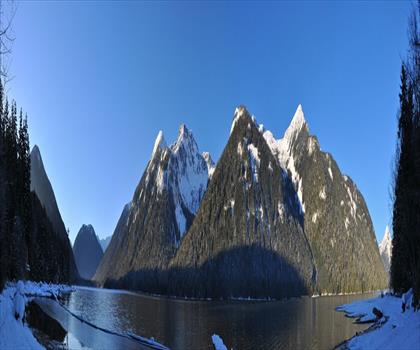
Flora Lake
Vancouver Coast Mountains
Alouette Mountain
Vancouver Coast Mountains
Williamson Lake
Vancouver Coast Mountains
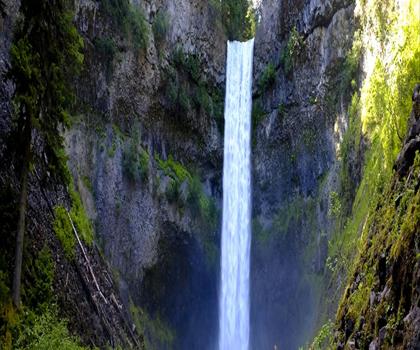
Brandywine Mountain
Vancouver Coast Mountains
Coliseum Mountain
Vancouver Coast Mountains
Hiking near Vancouver
235 trails to explore ~102 km away
We work hard to provide the most up-to-date and error-free data possible. If something seems incorrect, let us know! Your contribution helps the whole community.
Hikers' opinions