

Ready to explore Birkenhead Lake Provincial Park? Here's everything you need to know before you go!
Discover the trail
Trail description
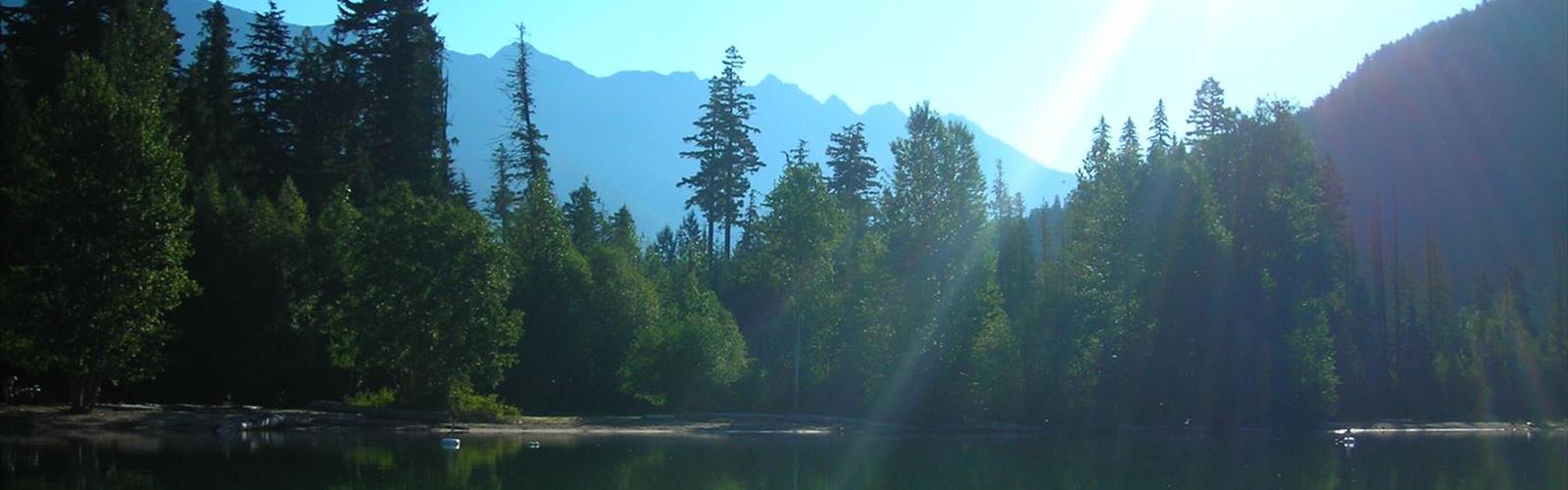
Birkenhead Lake Provincial Park sits in the rugged Vancouver Coast Mountains, offering a genuine wilderness experience just hours from Vancouver's urban sprawl. This 7,259-hectare park centers around the pristine waters of Birkenhead Lake, where dense coastal forests meet dramatic mountain peaks in a landscape that feels untouched despite its accessibility. The park delivers the kind of backcountry adventure that defines British Columbia hiking—challenging terrain, spectacular scenery, and wildlife encounters that remind you why this province draws outdoor enthusiasts from around the world.
Trail System and Hiking Challenges
The park's trail network accommodates hikers across the skill spectrum, though the terrain here demands respect and proper preparation. The signature Birkenhead Lake Trail follows the lake's shoreline through old-growth forest, where massive Douglas firs and western red cedars create a cathedral-like canopy overhead. This path winds along the water's edge for much of its length, providing consistent lake views framed by the surrounding peaks. The trail surface varies from packed earth to rocky sections, with occasional root networks that require careful footing, especially when wet.
For hikers seeking elevation and expansive views, the Goat Lookout Trail climbs steeply through mixed forest to reach a rocky outcrop with panoramic vistas across the Coast Mountains. This challenging route gains significant elevation over a relatively short distance, making it a demanding but rewarding option for experienced hikers. The final approach involves some scrambling over granite slabs, but the 360-degree views from the summit encompass the entire Birkenhead Valley and surrounding wilderness.
The park's trail system connects these main routes with shorter interpretive paths and access trails to various lake viewpoints. Trail conditions can change rapidly with weather, particularly during shoulder seasons when snowmelt creates muddy sections and seasonal creek crossings. Expect to encounter everything from smooth forest paths to technical rocky sections that test your balance and route-finding skills.
Natural Environment and Wildlife Encounters
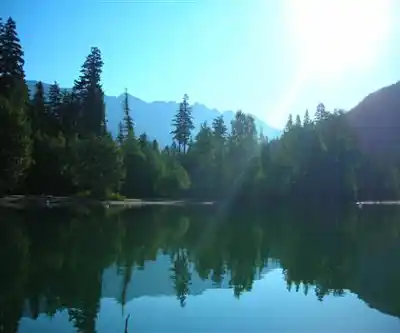
Birkenhead Lake's crystal-clear waters reflect the surrounding forest and mountains, creating the kind of mirror-like scenes that define British Columbia's backcountry. The lake sits at an elevation that keeps water temperatures cool even in summer, though brave swimmers find the experience refreshing after a long hike. The shoreline varies from sandy beaches to rocky outcrops, with several secluded spots perfect for rest breaks or contemplating the wilderness that stretches endlessly beyond the visible ridgelines.
The park supports healthy populations of black bears, particularly during berry season when they forage along trail corridors and in the park's numerous clearings. Bear encounters are a real possibility here, making proper food storage and awareness essential skills for any visitor. Deer are commonly spotted in early morning and evening hours, often grazing in meadow areas near the lake. The diverse bird life includes everything from common loons calling across the water to various raptors soaring above the ridgelines, while smaller wildlife like chipmunks and squirrels provide constant entertainment throughout the forested areas.
The forest ecosystem represents classic coastal mountain vegetation, with lower elevations dominated by massive conifers and a rich understory of ferns, salmonberry, and devil's club. As elevation increases, the forest transitions to smaller alpine species and eventually opens into subalpine meadows on the higher ridges, creating distinct ecological zones that change the hiking experience as you climb.
Water Activities and Fishing Opportunities
Birkenhead Lake serves as more than just a scenic backdrop—it's an integral part of the park experience that extends beyond hiking. The calm waters are ideal for canoeing and kayaking, with several launch points accessible from the main trail system. Paddlers can explore quiet bays and inlets that aren't visible from the hiking trails, often spotting wildlife along the undeveloped shoreline and accessing viewpoints impossible to reach on foot.
Anglers will find opportunities to catch rainbow trout and kokanee in the lake's deep, cold waters. The fishing is typically best in early morning and evening hours, with various techniques proving effective depending on season and conditions. The lake's size means that different areas can produce varying results, making exploration part of the fishing experience and rewarding those willing to hike to more remote shoreline access points.
Camping and Overnight Adventures
The park's campground provides a genuine wilderness camping experience while maintaining basic amenities for comfort and safety. Sites are well-spaced among the trees, offering privacy and natural windbreaks that make for comfortable nights even when weather moves through the valley. The campground sits close enough to the lake for easy water access but far enough back to avoid moisture and insect issues that can plague waterfront sites.
Facilities include basic pit toilets and picnic tables, but campers should come prepared with all necessary supplies including water treatment options, as potable water isn't always available. The campground operates on a first-come, first-served basis during most of the season, though reservations may be available during peak periods. This system rewards early arrivals and adds an element of adventure to trip planning.
Backcountry camping is permitted in designated areas for those seeking a more remote experience. These sites require hiking to reach and offer no facilities, making them suitable only for experienced wilderness campers with proper equipment and Leave No Trace skills.
Access and Essential Planning
The park lies approximately three hours' drive from Vancouver via Highway 99 and the Birkenhead Forest Service Road. The final approach involves several kilometers of gravel road that can become challenging in wet conditions or during spring snowmelt. Standard passenger vehicles can typically make the journey, but higher clearance vehicles provide more confidence on the rougher sections, especially when carrying heavy camping gear.
Parking at the trailhead is limited, particularly on weekends during summer months. Early arrival is recommended, especially for day hikers planning to tackle the longer trails or anyone hoping to secure camping spots. The limited parking actually helps preserve the wilderness character by naturally limiting visitor numbers.
Essential gear includes sturdy hiking boots with good ankle support, as the terrain includes loose rocks, roots, and potentially muddy sections that can challenge even experienced hikers. Weather-appropriate clothing is crucial, as conditions can change rapidly in the mountains. Layered clothing systems work best, allowing adjustment as elevation and activity levels change throughout the day. Carry plenty of water and water treatment options, as natural sources require purification before consumption.
The park follows Leave No Trace principles, which are particularly important given the pristine nature of the environment and the presence of sensitive wildlife. All food must be properly stored in bear-proof containers or hung appropriately, and all waste must be packed out. Campfires may be restricted during dry periods, so check current regulations before arrival to avoid disappointment and ensure compliance with fire safety measures.
The Essential Hiking Checklist
Everything you need for your next hike. Bilingual, printable, 1 page.
Get your free hiking checklistRecommended gear for this trail
As an Amazon Associate I earn from qualifying purchases.


Ready to go?
Everything you need to know before you goStarting Point
The birkenhead lake provincial park is located in the North Okanagan region of British Columbia. To get to the start of the trails, take Highway 97 north to Vernon and then take Highway 6 east to the park.
When?
How much?
As an Amazon Associate I earn from qualifying purchases.
Affiliate links — LGPO may earn a commission at no extra cost to you.
- Hiking shoes Essential
- → Salomon Elixir Tour Mid WP · 203.38 $
- Layered clothing Essential
- Rain jacket Essential
- Trekking poles
- → Black Diamond Trail Ergo Cork · 69.99 $
- Headlamp
- → Petzl Actik Core 625 · 103.95 $
FAQ - Frequently asked questions
Everything you need to knowSimilar hikes nearby
Discover other trails you might enjoy
Bridle Path
Vancouver Coast Mountains
Flora Lake
Vancouver Coast Mountains

Alouette Mountain
Vancouver Coast Mountains
Williamson Lake
Vancouver Coast Mountains
Brandywine Mountain
Vancouver Coast Mountains

Coliseum Mountain
Vancouver Coast Mountains
Hiking near Whistler
160 trails to explore ~50 km away
We work hard to provide the most up-to-date and error-free data possible. If something seems incorrect, let us know! Your contribution helps the whole community.
Hikers' opinions
Be the first to review!
No hiker has shared their experience yet. Share your impressions and help other hikers!