

Ready to explore Colony Farm Regional Park? Here's everything you need to know before you go!
Discover the trail
Trail description
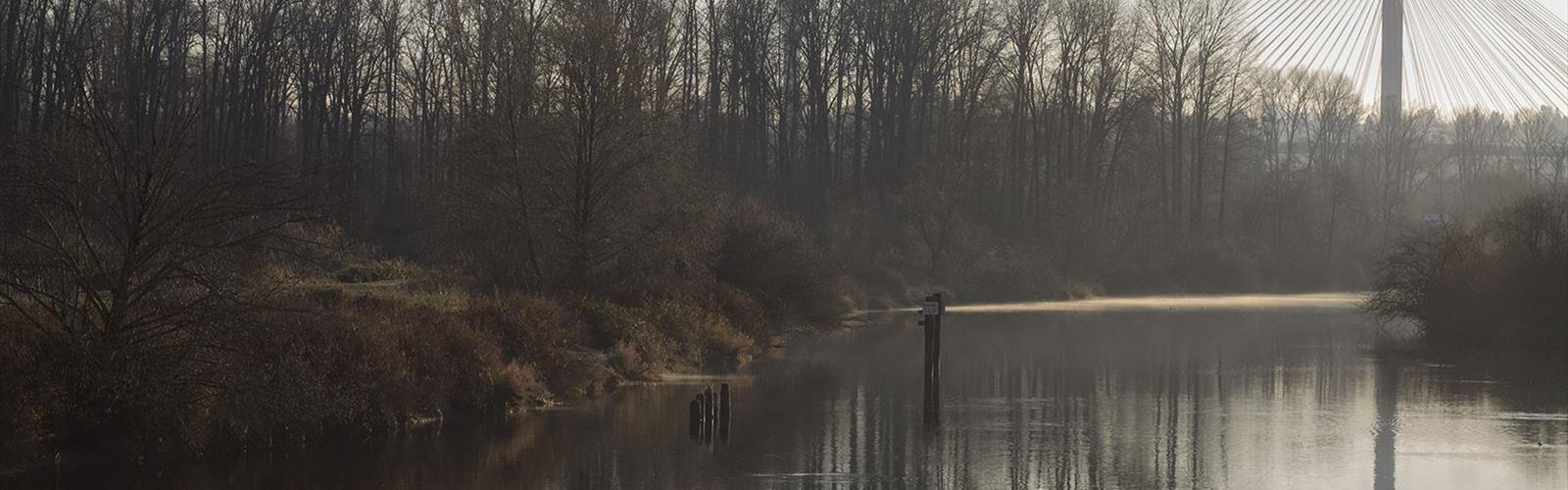
Colony Farm Regional Park sits in the Fraser Valley just east of Vancouver, offering an unexpectedly wild experience within easy reach of the city. This 263-hectare park transforms what was once institutional farmland into a thriving ecosystem where wetlands, grasslands, and riparian forests create diverse habitats along the Coquitlam River. The park's flat terrain and well-maintained trail network make it accessible to hikers of all abilities, while its rich wildlife populations draw serious birders and nature photographers from across the region.
Trail Network and Terrain
The park features 5 kilometers of interconnected trails that wind through distinctly different ecosystems. With only 10 meters of elevation gain across the entire network, these paths remain comfortable for families with young children, older hikers, or anyone preferring gentler terrain. The main loop trail follows old farm roads and dikes, providing stable footing year-round, while smaller spur trails lead deeper into wetland areas and along the river corridor.
Most visitors can complete the full trail system in about 1 hour and 15 minutes of steady walking, though wildlife watchers often spend much longer in prime viewing areas. The flat, wide paths make this an excellent choice for introducing children to hiking or for maintaining fitness during injury recovery. Despite the easy terrain, the park offers genuine wilderness experiences as trails pass through dense cattail marshes and mature cottonwood groves where urban noise fades completely.
The trail surface varies from packed gravel on main routes to earthen paths on smaller spurs. Wooden boardwalks cross sensitive wetland areas, allowing close observation of marsh life without disturbing fragile ecosystems. These elevated sections provide excellent vantage points for photography and wildlife watching, particularly during early morning hours when mist rises from the water.
Wildlife and Birding Opportunities
Colony Farm's reputation as a birding destination is well-earned, with over 200 documented species taking advantage of the diverse habitats. The wetlands attract waterfowl year-round, while the grasslands support raptors and songbirds. Great blue herons stalk through shallow waters near the trail, often allowing close observation. Bald eagles nest in the tall cottonwoods and can frequently be seen perched along the river or soaring overhead. Red-tailed hawks hunt the open meadows, especially visible during morning and evening hours.
The park's mammal populations include coyotes, which visitors occasionally spot during early morning or dusk visits, and beavers whose dams and lodges are visible from several trail viewpoints. River otters play in the Coquitlam River, though sightings require patience and quiet observation. The diverse plant communities support numerous smaller species, from painted turtles basking on logs to various bat species that emerge at twilight.
Serious birders should bring binoculars and plan visits during spring and fall migration periods when species diversity peaks. The park's location along the Pacific Flyway makes it a crucial stopover point for migrating waterfowl and shorebirds. The open meadows and wetland edges create ideal conditions for spotting both resident and visiting species throughout the year.
Historical Context and Landscape
Understanding Colony Farm's history adds depth to any visit. Established in the early 1900s as a working farm to supply food for provincial institutions, the property operated for decades as agricultural land before transitioning to parkland. Remnants of this agricultural past remain visible throughout the park, including old farm buildings, fence lines, and the geometric field patterns that now form meadow habitats.
The transformation from working farm to wildlife habitat demonstrates successful ecosystem restoration. Former crop fields have become grasslands that support native plant communities, while constructed wetlands now filter water and provide crucial habitat. This history explains the park's unique landscape of open meadows interspersed with wetlands, quite different from the dense forests typical of other regional parks.
Walking these trails, you'll notice how the agricultural grid still influences the park's layout. Straight lines of old fence rows now serve as wildlife corridors, while former field boundaries create natural divisions between different habitat types. This geometric foundation gives Colony Farm a distinctive character that sets it apart from wilderness areas that developed without human intervention.
Seasonal Experiences
Colony Farm offers year-round hiking opportunities, though each season brings distinct experiences. Spring brings migrating waterfowl and wildflowers in the meadows, while summer offers the fullest wildlife activity and warmest weather for extended visits. Fall migration periods provide exceptional birding, and winter visits reveal the park's structure more clearly while offering chances to see species that spend colder months in the area.
The flat terrain and wide trails remain accessible even during wet weather, though some spur trails into wetland areas can become muddy. Winter visits require warm clothing as the open terrain offers little wind protection, but the park rarely receives enough snow to impede hiking. The exposed nature of much of the trail system means weather conditions feel more immediate here than in forested parks.
Access and Practical Information
The park provides ample parking at the main entrance off Colony Farm Road in Coquitlam, making it easily accessible from Vancouver and surrounding communities. Well-maintained facilities ensure comfortable visits, with washrooms and information kiosks available near the parking area. The proximity to urban areas makes Colony Farm an ideal destination for spontaneous day trips or regular exercise routines.
Multiple scenic spots throughout the park offer perfect locations for picnicking, particularly along the river where mature trees provide shade and the sound of flowing water creates a peaceful atmosphere. Benches positioned at key viewpoints allow visitors to rest while watching for wildlife or simply enjoying the mountain views that frame the valley.
The park's accessibility extends beyond just easy terrain. Its location within the Metro Vancouver regional park system means it connects to broader trail networks for those seeking longer adventures, while its gentle character makes it welcoming for visitors who might find other regional parks too challenging. This combination of accessibility and genuine natural experience makes Colony Farm Regional Park a valuable addition to any outdoor enthusiast's regular rotation of hiking destinations.
The Essential Hiking Checklist
Everything you need for your next hike. Bilingual, printable, 1 page.
Get your free hiking checklistRecommended gear for this trail
As an Amazon Associate I earn from qualifying purchases.


Ready to go?
Everything you need to know before you goStarting Point
The trails at the colony farm regional park in British Columbia can be accessed from the parking lot off of 8th Avenue.
When?
How much?
As an Amazon Associate I earn from qualifying purchases.
Affiliate links — LGPO may earn a commission at no extra cost to you.
- Hiking shoes Essential
- → Salomon Elixir Tour Mid WP · 203.38 $
- Layered clothing Essential
- Rain jacket Essential
- Trekking poles
- → Black Diamond Trail Ergo Cork · 69.99 $
- Headlamp
- → Petzl Actik Core 625 · 103.95 $
FAQ - Frequently asked questions
Everything you need to knowSimilar hikes nearby
Discover other trails you might enjoy
Bridle Path
Vancouver Coast Mountains
Flora Lake
Vancouver Coast Mountains

Alouette Mountain
Vancouver Coast Mountains
Williamson Lake
Vancouver Coast Mountains
Brandywine Mountain
Vancouver Coast Mountains

Coliseum Mountain
Vancouver Coast Mountains
Hiking near Vancouver
235 trails to explore ~23 km away
We work hard to provide the most up-to-date and error-free data possible. If something seems incorrect, let us know! Your contribution helps the whole community.
Hikers' opinions
Be the first to review!
No hiker has shared their experience yet. Share your impressions and help other hikers!