


Ready to explore Coquitlam Lake? Here's everything you need to know before you go!
Discover the trail
Trail description
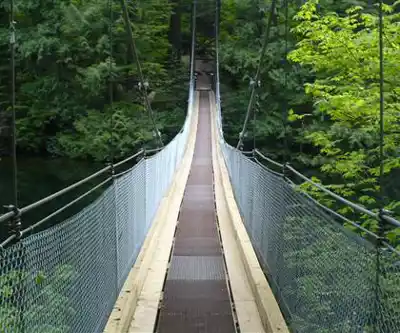
Coquitlam Lake sits tucked away in the Vancouver Coast Mountains, offering hikers a chance to explore one of the region's most pristine wilderness areas. This stunning reservoir serves as drinking water for the Greater Vancouver area, which means you'll find crystal-clear waters surrounded by untouched forest—a rare combination of accessibility and wilderness character just outside the city.
The lake stretches through a dramatic mountain valley, flanked by steep ridges covered in old-growth forest. What makes this destination special is the sense of remoteness you'll experience despite being relatively close to urban areas. The protected watershed status has kept development at bay, preserving the natural landscape in a way that's increasingly rare in the Lower Mainland.
Trail Experience and Terrain
The hiking opportunities around Coquitlam Lake center on the trail system within nearby Pinecone Burke Provincial Park, which provides access to various routes with different difficulty levels. The main trail offers an easy 8.5-kilometer hike with 150 meters of elevation gain, making it accessible for most fitness levels while still providing a satisfying wilderness experience that typically takes around 2.5 hours to complete.
Most trails wind through dense coastal forest dominated by towering Douglas firs and western red cedars. These mature trees create a cathedral-like canopy that filters sunlight into dappled patterns on the forest floor. The understory is thick with salmonberry, devil's club, and ferns, giving you that classic Pacific Northwest rainforest experience that feels worlds away from the city.
As you hike, you'll encounter a mix of terrain types that keeps the journey interesting. Some sections follow old logging roads that provide easier walking and allow you to cover ground quickly, while others branch off onto narrower single-track trails that require more attention to footing but offer a more intimate forest experience. Creek crossings are common throughout the area, and during spring snowmelt or after heavy rains, some of these can become challenging to navigate safely.
The trails leading to scenic viewpoints typically involve steady but manageable climbs through switchbacks carved into steep hillsides. The effort pays off with panoramic views over the lake's deep blue waters and the surrounding peaks. These viewpoints offer excellent photo opportunities and natural rest stops where you can take in the scale of the landscape and appreciate the untouched wilderness stretching in all directions.
Wildlife and Natural Features
The protected watershed around Coquitlam Lake supports a healthy population of wildlife that you might encounter during your hike. Black bears are present throughout the area, particularly during berry season in late summer and fall when they're actively foraging. Deer are commonly spotted, especially in the early morning or evening hours when they come down to the water's edge to drink.
Birdwatchers will find plenty to observe throughout the seasons. The distinctive calls of Steller's jays echo through the forest, while bald eagles can often be seen soaring over the lake or perched in tall snags along the shoreline. Smaller birds like varied thrushes and Pacific wrens add their voices to the forest soundtrack, and woodpeckers can frequently be heard working on dead trees throughout the area.
The lake itself is a striking centerpiece, with its deep blue-green waters reflecting the surrounding mountains like a massive mirror. The shoreline varies from rocky outcrops perfect for taking breaks to small pebble beaches where you can get closer to the water. The water level can fluctuate seasonally depending on precipitation and water management needs, and during low water periods, you might see exposed stumps and debris from the original forest that was flooded when the reservoir was created.
Seasonal Considerations and Access
Coquitlam Lake is accessible year-round, but each season offers a distinctly different hiking experience. Spring brings rushing waterfalls and vibrant green growth as the forest awakens from winter dormancy. However, this is also when trails can be muddy and creek crossings more challenging due to increased water flow from snowmelt in the higher elevations.
Summer provides the most reliable trail conditions and the warmest weather for hiking. The dense forest canopy offers natural air conditioning even on hot days, making this a popular escape when temperatures soar in the Lower Mainland. The longer daylight hours also give you more flexibility in planning your hike timing.
Fall transforms the area with changing colors, particularly from the deciduous trees and shrubs scattered among the evergreens. The cooler temperatures make for comfortable hiking, though you'll want to be prepared for the possibility of rain as the wet season approaches.
Winter hiking is possible but requires more preparation and caution. Snow levels vary significantly with elevation, and ice can make some trail sections treacherous. The shorter daylight hours also mean you need to plan your timing carefully to avoid being caught in the dark on your return journey.
Preparation and Practical Considerations
The remote nature of the Coquitlam Lake area means you should come prepared for changing conditions and potential emergencies. Weather can shift quickly in the mountains, so layered clothing is essential regardless of the season. Waterproof gear is particularly important given the region's reputation for sudden rain showers that can soak unprepared hikers.
Trail conditions can vary significantly depending on recent weather and maintenance schedules. Always check current trail reports and weather forecasts before heading out. The combination of steep terrain and potentially slippery conditions means proper hiking boots with good traction are crucial for both comfort and safety on the trail.
Water is generally available from streams throughout the area, but you should treat any water before drinking due to the presence of wildlife and potential contamination. Bringing your own water supply is the safest option, especially for shorter hikes where the extra weight isn't a significant burden.
The protected watershed status means that camping and fires are typically not permitted in the immediate area around the lake. This day-use restriction helps preserve the water quality and natural environment that make this destination so special, ensuring future generations can enjoy the same pristine wilderness experience.
Recommended gear for this trail
As an Amazon Associate I earn from qualifying purchases.


Ready to go?
Everything you need to know before you goStarting Point
The start of the trails at the coquitlam lake in British Columbia can be accessed by driving east on Brunette Avenue from Lougheed Highway. Turn left onto David Avenue and then right onto Pipeline Road. The trailhead will be on the left.
When?
How much?
As an Amazon Associate I earn from qualifying purchases.
Affiliate links — LGPO may earn a commission at no extra cost to you.
- Hiking shoes Essential
- → Salomon Elixir Tour Mid WP · 203.38 $
- Layered clothing Essential
- Rain jacket Essential
- Trekking poles
- → Black Diamond Trail Ergo Cork · 69.99 $
- Headlamp
- → Petzl Actik Core 625 · 103.95 $
FAQ - Frequently asked questions
Everything you need to know
25 hikes under 2 hours from Montreal
Distance, elevation, parking and season for each one. The ones we go back to ourselves.
Get the guideSimilar hikes nearby
Discover other trails you might enjoy
Bridle Path
Vancouver Coast Mountains
Flora Lake
Vancouver Coast Mountains

Alouette Mountain
Vancouver Coast Mountains
Williamson Lake
Vancouver Coast Mountains
Brandywine Mountain
Vancouver Coast Mountains

Coliseum Mountain
Vancouver Coast Mountains
Hiking near Vancouver
235 trails to explore ~29 km away
We work hard to provide the most up-to-date and error-free data possible. If something seems incorrect, let us know! Your contribution helps the whole community.
Hikers' opinions
Be the first to review!
No hiker has shared their experience yet. Share your impressions and help other hikers!