

Ready to explore Coquitlam River Park? Here's everything you need to know before you go!
Discover the trail
Oh no! We don't have any photos 😢
This trail hasn't been captured yet. Be the first to share your adventure!Trail description
Coquitlam River Park offers one of the more satisfying easy hikes in the Vancouver Coast Mountains — not because it's dramatic or challenging, but because it delivers a genuine forest-and-river experience without asking much in return. At 3.2 km with only 50 meters of elevation gain, it's the kind of trail you can knock out in about an hour and fifteen minutes and still feel like you actually went somewhere.
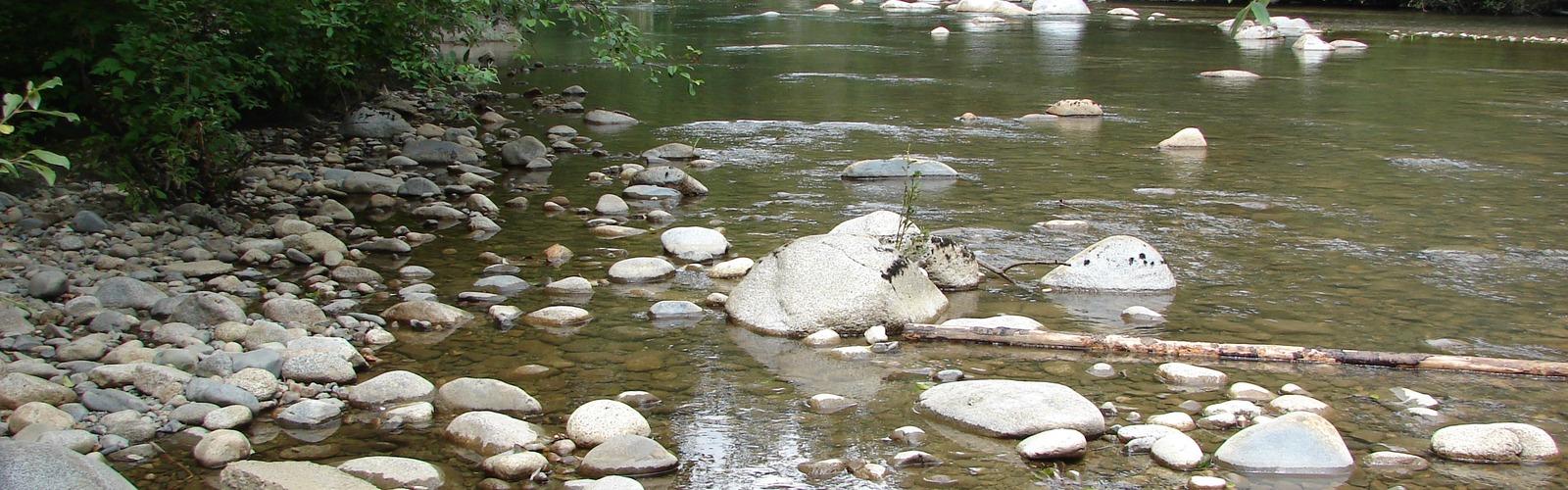
The park follows the Coquitlam River through dense coastal forest, and that river presence is what makes this place feel different from a typical urban greenspace. The water moves with real energy here, especially in spring when snowmelt pushes the current up. You're rarely out of earshot of it, and that constant sound of moving water does a lot to make the experience feel more remote than it actually is.
The Trail
The main trail runs alongside the river on mostly flat, well-maintained dirt path. The footing is straightforward — some gravel sections near the water, occasional roots, nothing that requires trekking poles or special footwear under normal conditions. The 50 meters of elevation gain comes from secondary trails that branch off into the hillside forest, so if you stick to the riverside route, you're looking at essentially flat walking the whole way.
The trail network is well-connected and easy to navigate. There's no real risk of getting turned around, which makes this a solid choice for people who are newer to hiking or who want a low-stress outing. The paths are wide enough that you won't be squeezing past other users, and sight lines are generally good.
River access points show up regularly along the route. Some open onto calm pools where the water slows and clears, good spots to stop and watch what's happening below the surface. Others sit above small rapids where the river drops over rocky shelves and picks up speed. These natural breaks in the trail give you reasons to slow down rather than just walking through.
Forest and Landscape
The forest here is classic Pacific Northwest coastal — Douglas fir and western red cedar dominating the canopy, sword ferns blanketing the forest floor, devil's club filling in the wetter understory sections. Near the main entrance, the tree mix shifts toward maple and alder, which adds seasonal interest in fall when the leaves turn. Deeper into the park, the old-growth character becomes more apparent: massive stumps from the area's logging history sit alongside impressive second-growth trees that have had decades to recover.
The riparian zone along the river supports its own distinct plant community. Mossy logs, ferns, and dense vegetation crowd the banks in many sections, creating that layered, textured look that makes coastal river corridors so visually interesting. In spring, wildflowers including trilliums appear in the forest understory before the canopy fills in and shades them out.
Wildlife
Bird activity is one of the consistent highlights. Kingfishers work the river regularly, and great blue herons are a common sight standing motionless in the shallows. The forest canopy supports a good variety of songbirds, and the mix of habitat types — open water, riparian edge, and closed-canopy forest — means there's usually something moving if you're paying attention. Squirrels and chipmunks are active throughout the park, and muddy sections of trail often show deer tracks, even if the deer themselves tend to stay out of sight during busier periods.
Practical Information
The park is easy to reach from the Vancouver area, which is both an asset and something to plan around. Weekends and holidays bring crowds, particularly during good weather. Early morning or weekday visits give you a noticeably quieter experience and better odds of seeing wildlife.
Designated picnic areas are spread through the park, positioned near river views and forest clearings. They're well-maintained and a reasonable option if you want to extend your time in the park after the hike.
Trail conditions hold up well through most of the year. Winter brings muddy sections and occasional blowdown from coastal storms, and the riverside location means some areas stay wet longer after heavy rain. Waterproof footwear is worth it from fall through early spring. Summer conditions are typically excellent — the forest canopy keeps temperatures comfortable even on hot days, and the trails dry out quickly.
The park draws a mixed crowd: dog walkers, families with young kids, people looking for a quick training loop, and casual hikers who just want to be outside for an hour. That variety creates a relaxed, welcoming atmosphere, and the trail system handles the mixed use well without feeling chaotic.
Who It's Best For
Coquitlam River Park works well as an introduction to Pacific Northwest forest hiking — the terrain is forgiving, the navigation is simple, and the natural setting is genuinely impressive without requiring any real commitment. It's also a reliable option for experienced hikers who want a shorter outing, a recovery day, or a convenient after-work trail that doesn't feel like a parking lot. The river keeps it interesting regardless of how many times you've walked it.
The Essential Hiking Checklist
Everything you need for your next hike. Bilingual, printable, 1 page.
Get your free hiking checklistRecommended gear for this trail
As an Amazon Associate I earn from qualifying purchases.


Ready to go?
Everything you need to know before you goStarting Point
The easiest way to get to the start of the trails at the coquitlam river park is to drive there.
When?
How much?
As an Amazon Associate I earn from qualifying purchases.
Affiliate links — LGPO may earn a commission at no extra cost to you.
- Hiking shoes Essential
- → Salomon Elixir Tour Mid WP · 203.38 $
- Layered clothing Essential
- Rain jacket Essential
- Trekking poles
- → Black Diamond Trail Ergo Cork · 69.99 $
- Headlamp
- → Petzl Actik Core 625 · 103.95 $
FAQ - Frequently asked questions
Everything you need to knowSimilar hikes nearby
Discover other trails you might enjoy
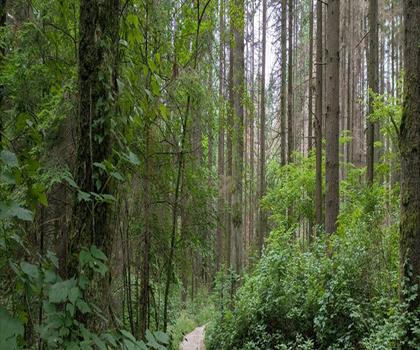
Bridle Path
Vancouver Coast Mountains
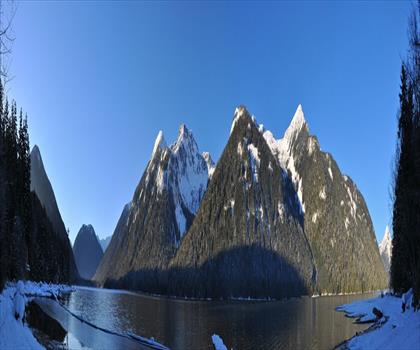
Flora Lake
Vancouver Coast Mountains

Alouette Mountain
Vancouver Coast Mountains
Williamson Lake
Vancouver Coast Mountains
Brandywine Mountain
Vancouver Coast Mountains

Coliseum Mountain
Vancouver Coast Mountains
Hiking near Vancouver
235 trails to explore ~25 km away
We work hard to provide the most up-to-date and error-free data possible. If something seems incorrect, let us know! Your contribution helps the whole community.
Hikers' opinions
Be the first to review!
No hiker has shared their experience yet. Share your impressions and help other hikers!