
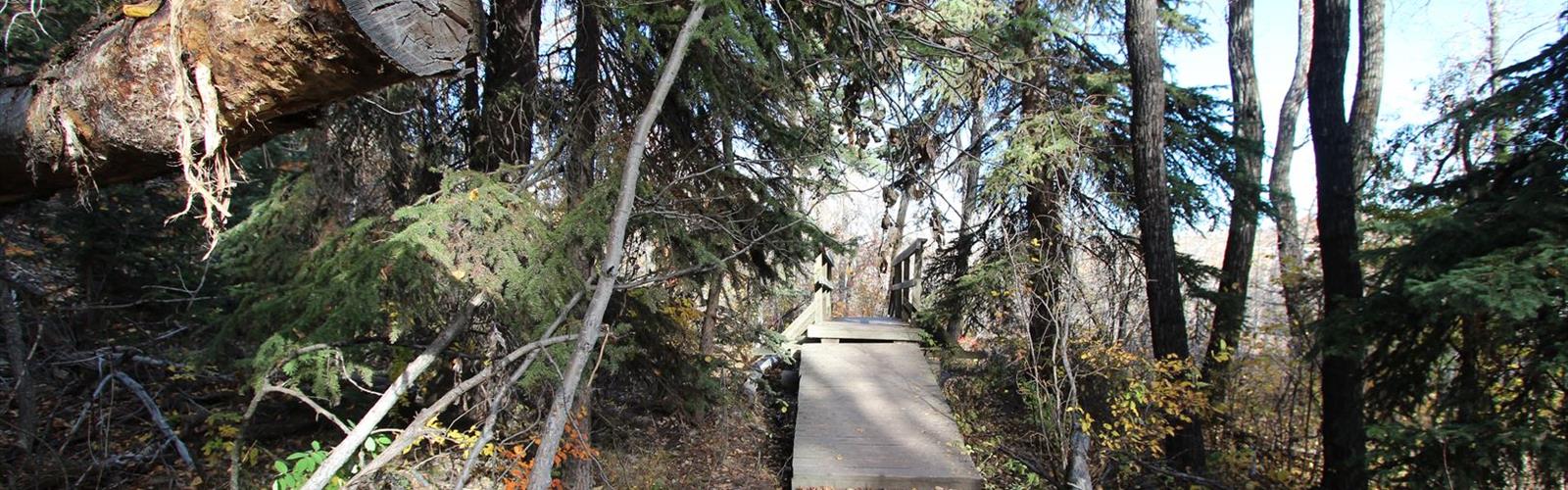

Ready to explore Giant Douglas Fir Trail? Here's everything you need to know before you go!
Discover the trail
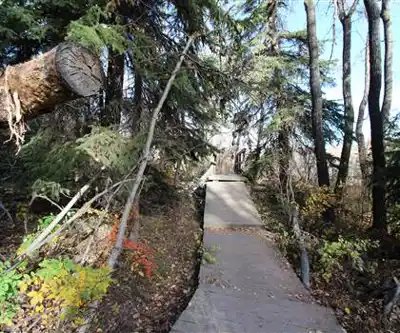
Photos: Thank you for visiting my page from Canada — CC BY 2.0 (Wikimedia Commons)
Trail description
The Giant Douglas Fir Trail offers one of the most rewarding short hikes in the Vancouver Coast Mountains, delivering an impressive old-growth forest experience in just 1.2 kilometers. This easy trail packs remarkable natural beauty into a compact distance, making it perfect for families, casual hikers, or anyone seeking a quick escape into towering ancient forest without committing to a full-day adventure.
What makes this trail special is the immediate immersion into a world of giants. Within minutes of starting, you're walking among Douglas firs that have been growing here for centuries. These massive trees create a natural cathedral, their enormous trunks rising like pillars while their canopy filters sunlight into soft, dappled patterns on the forest floor. The scale is genuinely humbling – some of these ancient giants are so wide that several people would need to join hands to encircle their base.
Trail Experience and Terrain
The well-marked trail begins with a gentle but steady climb that gains 300 meters of elevation over its 1.2-kilometer length. Don't let the numbers intimidate you – the grade is manageable for most fitness levels, and the trail surface is well-maintained throughout. You'll encounter a mix of packed earth, wooden sections over wet areas, and occasional rocky patches that add variety without creating technical challenges.
The path winds upward through distinct forest zones, each offering its own character. Lower sections feature the lush understory vegetation typical of Pacific Northwest rainforest – thick carpets of moss, sprawling ferns, and fallen logs that have become nurse trees for the next generation of forest giants. As you gain elevation, the Douglas firs begin to dominate more completely, their massive presence becoming the defining feature of your surroundings.
The trail's design takes advantage of natural features, curving around the largest trees and incorporating viewpoints where the forest opens up. These strategic clearings not only provide rest opportunities but also offer perspective on the impressive scale of the trees around you. Looking up from these spots, you can truly appreciate how these giants tower overhead, some reaching heights that disappear into the canopy above.
Wildlife and Forest Ecosystem
The old-growth environment supports a diverse array of wildlife that you might encounter during your hike. Black-tailed deer are frequently spotted, especially during quieter morning hours when they're more active. They're generally comfortable around hikers but maintain a respectful distance. The forest's bird population is particularly rich, with species that specifically depend on old-growth habitat.
Listen for the distinctive calls of varied thrushes echoing through the forest, and watch for woodpeckers working the massive tree trunks. The thick bark and dead sections of these ancient Douglas firs provide ideal habitat for insects, which in turn support numerous bird species. Smaller songbirds flit through the understory and mid-canopy levels, adding movement and sound to the peaceful forest atmosphere.
The forest floor itself tells a story of centuries of growth and renewal. Massive fallen logs, some larger than standing trees in younger forests, slowly decompose while supporting entire ecosystems of moss, ferns, and seedlings. This natural cycle of death and rebirth is clearly visible throughout the trail, offering insights into how old-growth forests sustain themselves over hundreds of years.
Viewpoints and Photography
Several natural openings along the trail provide stunning views of the surrounding Vancouver Coast Mountains. These viewpoints reward your climb with panoramic vistas that stretch across forested valleys and distant peaks. The contrast between the intimate forest experience and these expansive mountain views adds depth to the hiking experience.
These clearings also serve as excellent photography locations. The interplay between massive tree trunks in the foreground and mountain vistas beyond creates compelling compositions. Early morning light filtering through the forest canopy produces particularly dramatic effects, casting long shadows and highlighting the texture of the ancient bark.
For tree photography, the trail offers numerous opportunities to capture the impressive scale of these Douglas fir giants. Including people in your shots helps convey the enormous size of these trees, while close-up photos of bark texture and moss-covered surfaces showcase the intricate details of this ancient ecosystem.
Planning Your Visit
The trail's 1-hour and 15-minute estimated duration allows for a comfortable pace with time to appreciate the forest environment. Most hikers find they want to spend longer than expected, pausing frequently to examine the impressive trees and enjoy the peaceful atmosphere. The easy difficulty rating makes this accessible to families with children and hikers of varying experience levels.
Sturdy footwear is important for navigating roots, rocks, and potentially muddy sections safely. While the trail is well-maintained, the forest environment can be uneven, and good traction helps ensure a comfortable experience. The dense canopy keeps temperatures cooler than you might expect, so layered clothing allows you to adjust as needed throughout your hike.
Weather in the Coast Mountains can change quickly, so checking conditions before heading out is wise. The forest canopy provides some protection from light precipitation, but being prepared for changing conditions enhances your comfort and safety. Bring water and snacks, especially if you plan to spend time at viewpoints or exploring the forest environment more thoroughly.
The trail's location makes it an excellent choice for both planned outings and spontaneous adventures. Its proximity to Vancouver means you can easily combine this hike with other North Shore activities or make it part of a larger day exploring the Coast Mountains region. Remember to follow Leave No Trace principles to help preserve this remarkable old-growth environment for future visitors.
The Essential Hiking Checklist
Everything you need for your next hike. Bilingual, printable, 1 page.
Get your free hiking checklistRecommended gear for this trail
As an Amazon Associate I earn from qualifying purchases.


Ready to go?
Everything you need to know before you goStarting Point
The douglas fir trail is located in the Mount Seymour Provincial Park in North Vancouver, British Columbia. The park is accessible by car from downtown Vancouver. Take the Lions Gate Bridge to Highway 1 and follow it north to the Second Narrows Bridge. Cross the bridge and take the exit for Mount Seymour Parkway. Follow the parkway to the end and park in the lot.
When?
From sunrise to sunset
How much?
As an Amazon Associate I earn from qualifying purchases.
Affiliate links — LGPO may earn a commission at no extra cost to you.
- Hiking shoes Essential
- → Salomon Elixir Tour Mid WP · 203.38 $
- Layered clothing Essential
- Rain jacket Essential
- Trekking poles
- → Black Diamond Trail Ergo Cork · 69.99 $
- Headlamp
- → Petzl Actik Core 625 · 103.95 $
FAQ - Frequently asked questions
Everything you need to knowSimilar hikes nearby
Discover other trails you might enjoy
Bridle Path
Vancouver Coast Mountains
Flora Lake
Vancouver Coast Mountains

Alouette Mountain
Vancouver Coast Mountains
Williamson Lake
Vancouver Coast Mountains
Brandywine Mountain
Vancouver Coast Mountains

Coliseum Mountain
Vancouver Coast Mountains
Hiking near Vancouver
235 trails to explore ~25 km away
We work hard to provide the most up-to-date and error-free data possible. If something seems incorrect, let us know! Your contribution helps the whole community.
Hikers' opinions
Be the first to review!
No hiker has shared their experience yet. Share your impressions and help other hikers!