
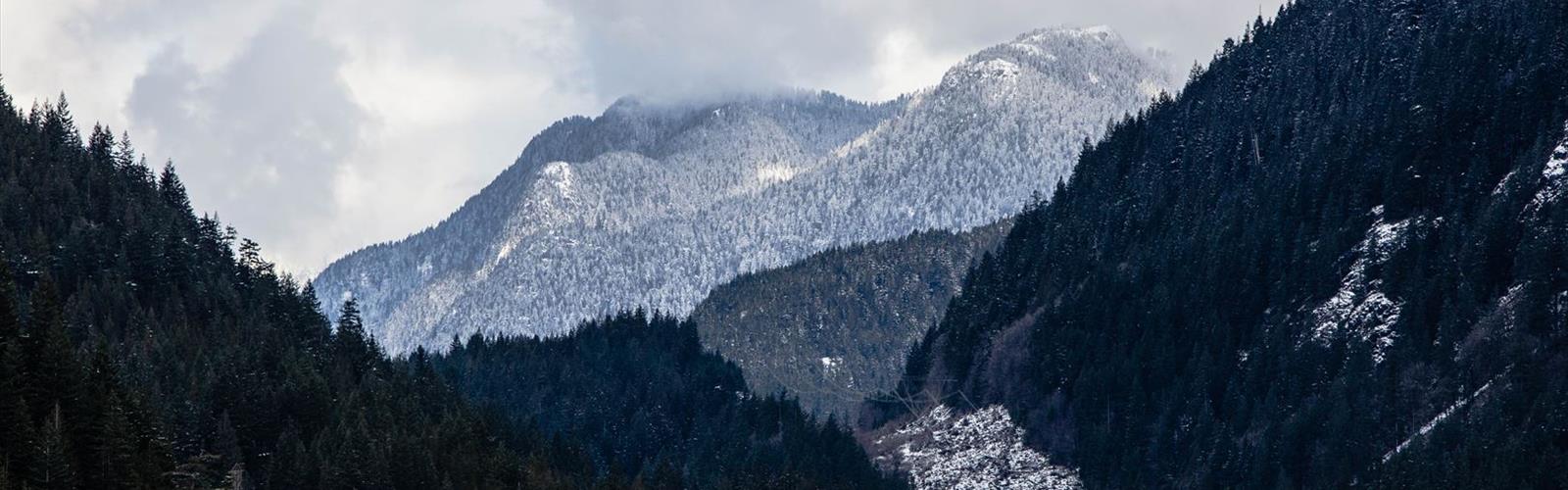

Ready to explore Eagle Bluff Trail? Here's everything you need to know before you go!
Discover the trail

Trail description
Eagle Bluff Trail cuts through the heart of Cypress Provincial Park, delivering one of the most rewarding moderate hikes in the Vancouver Coast Mountains. This well-established route strikes the perfect balance between accessibility and challenge, making it a go-to destination for hikers seeking dramatic coastal views without committing to an all-day expedition.
The trail's appeal lies in its diverse terrain and spectacular payoff. You'll start among towering Douglas firs and western hemlocks, their canopy filtering sunlight onto a forest floor carpeted with moss and ferns. The path winds steadily upward through this coastal temperate rainforest, where the air stays cool and humid even on warm summer days. As you gain elevation, the dense forest gradually opens up, revealing glimpses of what awaits at the bluff.
The final approach to Eagle Bluff transforms the hiking experience entirely. Rocky outcrops replace the soft forest floor, and the trees thin out to reveal sweeping panoramas across Howe Sound. From the bluff's dramatic cliffs, you'll look out over the island-dotted waters of the sound, with Bowen Island prominently featured in the foreground. On clear days, the view extends all the way to downtown Vancouver's skyline, creating a striking contrast between urban development and pristine wilderness.
Trail Experience and Terrain
Starting from the Cypress Mountain parking lot, the well-marked trail immediately immerses you in the coastal forest environment that defines this region. The initial section follows a gentle grade through dense woodland, where the dominant sounds are your footsteps on the soft earth and the occasional call of songbirds overhead. This opening stretch serves as a natural warm-up, allowing your legs to adjust to the rhythm of hiking before the more demanding sections ahead.
The middle portion presents the most sustained climbing, with a series of switchbacks that gain elevation efficiently while maintaining a manageable grade. Here, the forest character begins to shift subtly. The understory becomes more varied, with salmonberry bushes and devil's club adding texture to the landscape. Moss-covered boulders and fallen logs create natural sculptures throughout this section, and small seasonal streams cross the path in several places.
As you approach the higher elevations, the forest canopy starts to break up, offering tantalizing previews of the views to come. The final stretch to Eagle Bluff involves more varied terrain, including some rocky sections that require basic scrambling skills. These aren't technical climbing moves, but they do demand attention to foot placement and add an element of adventure to the hike.
Wildlife and Natural Features
Eagle Bluff Trail passes through habitat that supports a diverse array of coastal mountain wildlife. Black-tailed deer are frequently spotted along the route, particularly in the early morning and late afternoon hours when they're most active. These deer have adapted well to the mountainous terrain and often seem remarkably unperturbed by hikers, though maintaining a respectful distance is always important.
Birdlife along the trail reflects the rich ecosystem of the coastal forest. Stellar's jays announce their presence with raucous calls, while smaller songbirds like varied thrushes and Pacific wrens provide a more melodic soundtrack. Ravens are common near the bluff itself, riding the updrafts created by the cliff face. The trail's name hints at the possibility of eagle sightings, and while not guaranteed, both bald eagles and golden eagles do hunt in this area.
The forest ecosystem showcases classic Pacific Northwest characteristics. Ancient stumps from early logging operations serve as nurse logs for new generations of trees, creating the distinctive colonnades of trees growing in straight lines. The abundant moisture supports an impressive variety of mosses and lichens, which coat nearly every surface in shades of green that seem to glow in the filtered forest light.
Planning Your Adventure
Proper preparation makes the difference between a memorable adventure and a challenging ordeal on Eagle Bluff Trail. Sturdy hiking boots with good ankle support are essential, as the trail includes rocky sections and uneven terrain that can be slippery when wet. The coastal mountain climate means conditions can change rapidly, so layered clothing allows you to adapt to temperature variations and potential weather shifts.
Water requirements are significant for this hike, particularly during warmer months. Carry at least one liter per person, and consider bringing more during summer conditions or if you plan to spend extended time at the bluff. High-energy snacks help maintain stamina during the steady climb, and having food available makes the summit experience more enjoyable.
Weather considerations are crucial in the Coast Mountains. Conditions can shift from sunny to rainy within minutes, and the bluff's exposed position makes it particularly susceptible to wind and sudden weather changes. Check current forecasts before departing, and be prepared to turn back if conditions deteriorate. Fog can roll in quickly from Howe Sound, potentially eliminating visibility and making navigation challenging.
Timing your hike strategically enhances the experience significantly. Early morning starts offer several advantages: cooler temperatures, fewer crowds, and the possibility of catching sunrise light on Howe Sound. Late afternoon hikes can be equally rewarding, with golden hour lighting creating spectacular photo opportunities and the chance to watch sunset colors reflect off the water below.
Safety and Environmental Stewardship
The moderate difficulty rating reflects real considerations that hikers should take seriously. While the trail is well-maintained and clearly marked, the final approach to the bluff involves exposure to steep drop-offs. Exercise appropriate caution near cliff edges, particularly in wet conditions when rocks can become extremely slippery.
Hiking with a companion is strongly recommended, both for safety and for the enhanced enjoyment that comes from sharing the experience. If hiking solo, inform someone of your planned route and expected return time. Cell phone coverage is spotty throughout much of the trail, so don't rely on mobile communication in case of emergency.
Environmental stewardship is particularly important in Cypress Provincial Park, where heavy usage can impact the delicate coastal forest ecosystem. Pack out all trash, including organic waste like apple cores and banana peels that don't decompose quickly in this climate. Stay on designated trails to prevent erosion and protect sensitive vegetation. Wildlife viewing should always be done from a respectful distance, and feeding animals is prohibited and harmful to their natural behavior patterns.
The Essential Hiking Checklist
Everything you need for your next hike. Bilingual, printable, 1 page.
Get your free hiking checklistRecommended gear for this trail
As an Amazon Associate I earn from qualifying purchases.


Ready to go?
Everything you need to know before you goStarting Point
The eagle bluff trail is located in the community of Fruitvale, British Columbia. To get to the start of the trails, take Highway 3 east from Trail, British Columbia. In Fruitvale, turn left onto 2nd Avenue and drive until you reach the end of the road. The trailhead is located at the end of the road.
When?
How much?
As an Amazon Associate I earn from qualifying purchases.
Affiliate links — LGPO may earn a commission at no extra cost to you.
- Hiking shoes Essential
- → Salomon Elixir Tour Mid WP · 203.38 $
- Layered clothing Essential
- Rain jacket Essential
- Trekking poles
- → Black Diamond Trail Ergo Cork · 69.99 $
- Headlamp
- → Petzl Actik Core 625 · 103.95 $
FAQ - Frequently asked questions
Everything you need to knowSimilar hikes nearby
Discover other trails you might enjoy
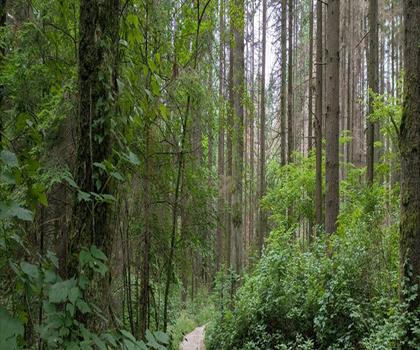
Bridle Path
Vancouver Coast Mountains
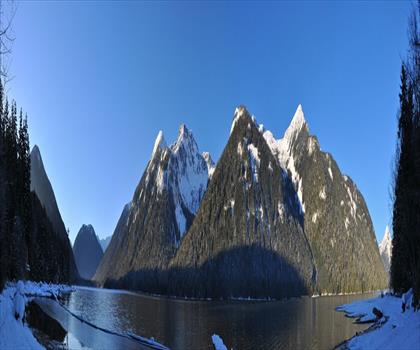
Flora Lake
Vancouver Coast Mountains

Alouette Mountain
Vancouver Coast Mountains
Williamson Lake
Vancouver Coast Mountains
Brandywine Mountain
Vancouver Coast Mountains

Coliseum Mountain
Vancouver Coast Mountains
Hiking near Vancouver
235 trails to explore ~20 km away
We work hard to provide the most up-to-date and error-free data possible. If something seems incorrect, let us know! Your contribution helps the whole community.
Hikers' opinions
Be the first to review!
No hiker has shared their experience yet. Share your impressions and help other hikers!