
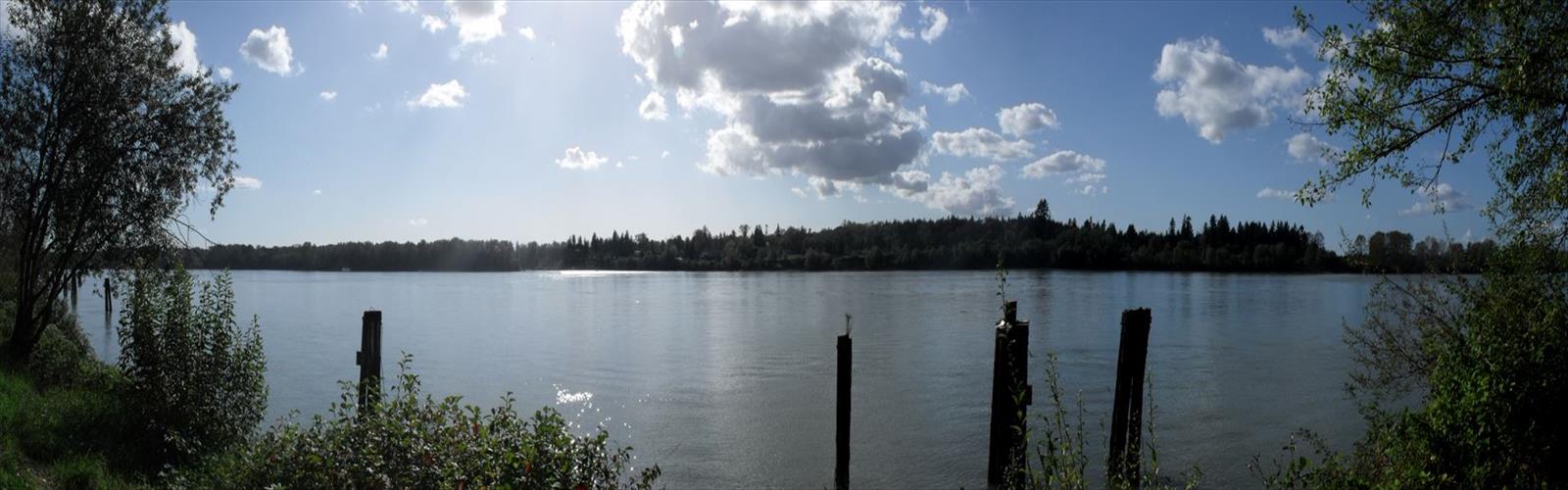

Ready to explore Fort-to-Fort Trail? Here's everything you need to know before you go!
Discover the trail
Trail description
The Fort-to-Fort Trail offers a perfect blend of natural beauty and historical significance, winding through the scenic Vancouver Coast Mountains between two compelling destinations. This well-maintained path connects Fort Langley National Historic Site with Derby Reach Regional Park, creating a journey that satisfies both history buffs and nature enthusiasts looking for an accessible outdoor adventure.
The trail follows the Fraser River corridor, where the landscape shifts between dense Pacific Northwest forest and open riverside meadows. You'll walk through towering Douglas fir and western red cedar, their canopy filtering sunlight onto a forest floor carpeted with ferns and moss. The path alternates between packed earth and wooden boardwalk sections, particularly where it crosses wetland areas near the river's edge.
What makes this trail special is its accessibility combined with genuine wilderness feel. Despite being close to urban areas, the route feels surprisingly remote once you're walking alongside the Fraser River. The wide, muddy waters move slowly here, creating perfect habitat for the diverse wildlife that calls this corridor home.
Trail Experience and Terrain
The Fort-to-Fort Trail maintains an easy difficulty level throughout its length, making it highly approachable for families with children while still providing enough variety to keep experienced hikers engaged. The path is wide enough for comfortable two-way traffic and features minimal elevation changes, with only gentle rolling hills that add visual interest without creating serious climbs.
Most of the route stays within close proximity of the Fraser River, offering frequent glimpses of the water through the trees. Several cleared viewpoints provide unobstructed river vistas where you can pause to watch for wildlife or simply enjoy the peaceful flow of water. The trail surface varies from hard-packed dirt to gravel sections, with wooden bridges and boardwalks spanning the occasional creek or marshy area.
During different seasons, the trail reveals distinct personalities. Spring brings wildflowers to the forest understory and increased bird activity. Summer offers the fullest canopy cover and warmest weather for comfortable hiking. Fall transforms the deciduous trees into brilliant yellows and reds, while winter hiking remains possible on most days, though the trail can become muddy during heavy rain periods typical of the coastal climate.
Wildlife and Natural Features
The Fraser River corridor serves as a major wildlife highway, and patient observers often spot impressive species along this trail. Bald eagles are frequently seen, either perched in tall snags overlooking the river or soaring overhead. Their distinctive white heads and tails make them unmistakable against the forest backdrop.
The river itself supports salmon runs during appropriate seasons, which in turn attract various predators and scavengers. Great blue herons wade in the shallows, while smaller songbirds inhabit the forest canopy. Deer tracks are common in muddy sections of trail, and black bears occasionally pass through the area, though encounters are rare.
The plant life reflects the region's temperate rainforest ecosystem. Massive old-growth stumps remind visitors of the area's logging history, while second-growth forest demonstrates nature's remarkable recovery abilities. Salmonberry, thimbleberry, and blackberry bushes provide seasonal treats for both wildlife and hikers willing to forage responsibly.
Historical Connections
Fort Langley National Historic Site anchors one end of the trail, representing a crucial piece of British Columbia's colonial history. This restored Hudson's Bay Company trading post operated from 1827 and played a central role in the region's fur trade economy. The fort's wooden palisade walls and period buildings provide tangible connections to the 19th century, when this location served as a vital commercial hub.
Walking the trail itself follows routes used by Indigenous peoples for thousands of years before European contact. The Fraser River served as a major transportation corridor, and the relatively flat terrain along its banks created natural pathways between communities and resource areas.
Interpretive signs positioned along the trail provide context for both natural and cultural history. These well-designed displays explain everything from salmon ecology to fur trade economics, helping hikers understand the layered significance of the landscape they're walking through.
Derby Reach Regional Park
The trail's other terminus, Derby Reach Regional Park, offers additional recreational opportunities beyond the main hiking route. This riverside park features picnic areas with tables and basic facilities, making it an ideal spot for extending your visit with a meal outdoors. The park's open grassy areas contrast nicely with the forested sections of the main trail.
Several shorter loop trails branch off from the main Fort-to-Fort route within Derby Reach, allowing hikers to customize their experience based on available time and energy levels. These additional paths explore different habitat types and provide alternative viewpoints of the Fraser River system.
Practical Considerations
Comfortable hiking shoes with good tread are essential, as sections of the trail can become slippery when wet. The Pacific Northwest's changeable weather makes layered clothing a smart choice regardless of season. A lightweight rain jacket proves valuable even on days that start sunny, given the region's unpredictable precipitation patterns.
The trail is perfectly suitable for families with children who can walk comfortably for extended periods. The relatively flat terrain and numerous interesting features help keep younger hikers engaged throughout the journey. However, parents should supervise children near the river, as some viewpoints lack barriers.
Both trailheads offer parking, though spaces at Fort Langley can fill up during peak summer weekends and holiday periods. The trail can be hiked in either direction, and many visitors arrange transportation to hike one-way rather than returning to their starting point.
Dogs are welcome on the trail but must remain leashed throughout the route. The riverside environment and wildlife presence make leash compliance particularly important for protecting both pets and local animals. Leave No Trace principles are especially important in this sensitive riparian environment, so pack out all trash, stay on designated trails to prevent erosion, and maintain respectful distances from any wildlife encountered.
The Essential Hiking Checklist
Everything you need for your next hike. Bilingual, printable, 1 page.
Get your free hiking checklistRecommended gear for this trail
As an Amazon Associate I earn from qualifying purchases.


Ready to go?
Everything you need to know before you goStarting Point
The fort-to-fort trail is located in the town of Fort St. James, British Columbia. To get to the start of the trails, take Highway 27 north out of Fort St. James and turn left onto the fort-to-fort trail.
When?
As an Amazon Associate I earn from qualifying purchases.
Affiliate links — LGPO may earn a commission at no extra cost to you.
- Hiking shoes Essential
- → Salomon Elixir Tour Mid WP · 203.38 $
- Layered clothing Essential
- Rain jacket Essential
- Trekking poles
- → Black Diamond Trail Ergo Cork · 69.99 $
- Headlamp
- → Petzl Actik Core 625 · 103.95 $
FAQ - Frequently asked questions
Everything you need to knowSimilar hikes nearby
Discover other trails you might enjoy
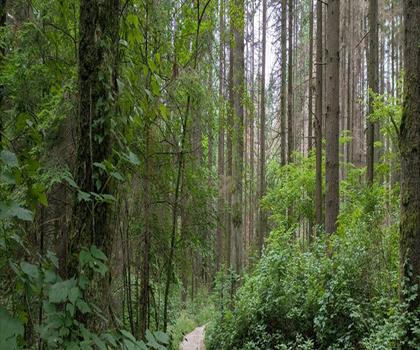
Bridle Path
Vancouver Coast Mountains
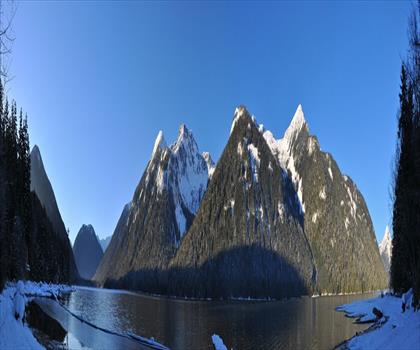
Flora Lake
Vancouver Coast Mountains

Alouette Mountain
Vancouver Coast Mountains
Williamson Lake
Vancouver Coast Mountains
Brandywine Mountain
Vancouver Coast Mountains

Coliseum Mountain
Vancouver Coast Mountains
Hiking near Vancouver
235 trails to explore ~40 km away
We work hard to provide the most up-to-date and error-free data possible. If something seems incorrect, let us know! Your contribution helps the whole community.
Hikers' opinions
Be the first to review!
No hiker has shared their experience yet. Share your impressions and help other hikers!