
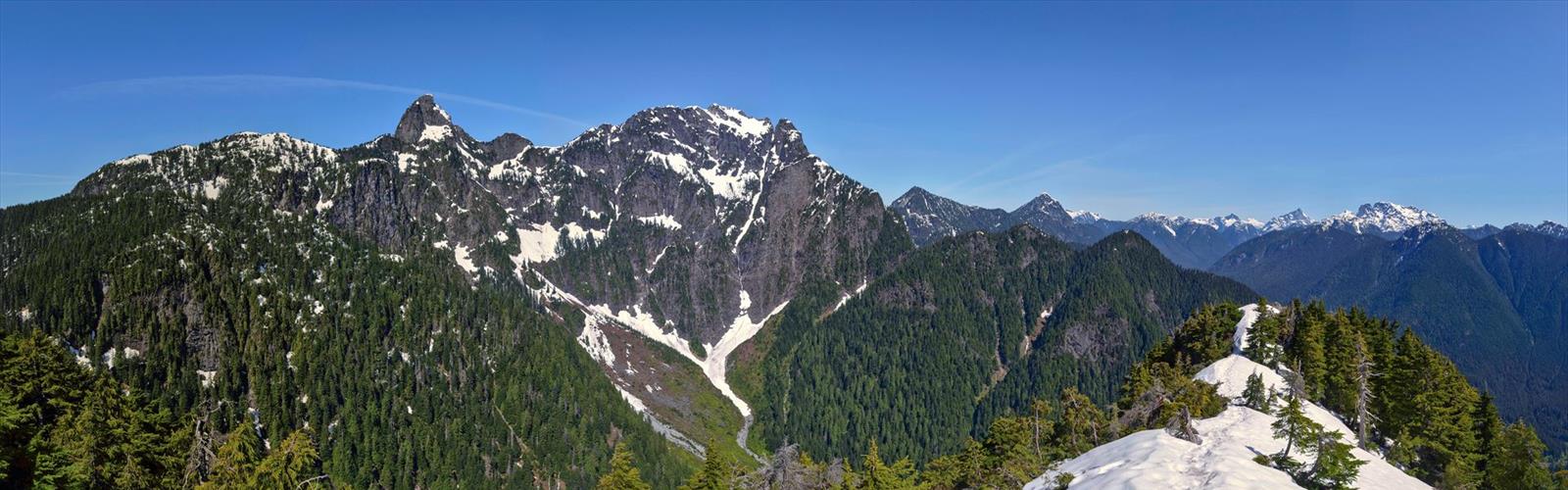
Ready to explore Golden Ears? Here's everything you need to know before you go!
Discover the trail
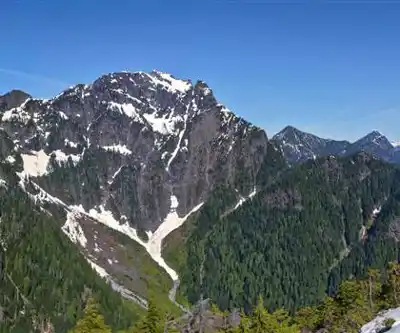
Oh no! We don't have any photos 😢
This trail hasn't been captured yet. Be the first to share your adventure!Trail description
Description
Golden Ears Provincial Park stands as one of British Columbia's most diverse hiking destinations, offering everything from gentle lakeside walks to grueling summit challenges. Located in the Vancouver Coast Mountains just east of the Fraser Valley, this 62,540-hectare park takes its name from the distinctive twin peaks that catch the morning light like burnished gold.
The park's crown jewel is the Golden Ears massif itself, but the real appeal lies in the variety of experiences packed into this accessible wilderness area. Dense coastal rainforest gives way to subalpine meadows, while glacier-fed lakes provide refreshing swimming holes during the warmer months. The trail network accommodates everyone from families with young children to experienced mountaineers seeking a serious workout.
The Golden Ears Summit Challenge
The ultimate test in the park is the Golden Ears Summit trail, a demanding 24-kilometer round-trip expedition with 1500 meters of elevation gain that typically takes around 8.5 hours to complete. This hard-rated trail separates casual hikers from serious mountaineers, beginning with a steady climb through dense forest before transitioning through subalpine meadows and finishing with a challenging scramble over rocky terrain to reach the summit.
The journey starts deceptively easy as you follow well-maintained trail through towering cedar and Douglas fir. The forest floor here is carpeted with ferns and moss, creating that classic Pacific Northwest cathedral atmosphere. As you gain elevation, the trail becomes progressively steeper and more technical. The middle section winds through beautiful subalpine terrain where mountain hemlock and alpine fir dominate, and seasonal wildflower displays can be spectacular during the brief summer growing season.
The final approach to the summit requires sure footing and a head for heights. The trail becomes a scramble over loose rock and exposed terrain, demanding both physical endurance and mental focus. Weather conditions can change rapidly at this elevation, making proper preparation absolutely essential. The 360-degree views from the top encompass everything from the Fraser Valley to the peaks of Garibaldi Provincial Park, rewarding those who make the full commitment.
Alternative Trail Options
For those seeking a gentler introduction to the park, the Alouette Lake Trail meanders along the shoreline of this pristine mountain lake. The wide, well-maintained path makes it perfect for families, with multiple access points allowing you to customize your distance. The lake's sandy beaches provide ideal spots for picnicking or taking a refreshing dip when summer temperatures climb, and the calm waters reflect the surrounding peaks beautifully.
The Lower Falls Trail offers a manageable 5.5-kilometer round-trip journey through old-growth forest to a multi-tiered waterfall cascading over moss-covered rocks. The relatively flat terrain makes this an excellent choice for beginners, while still providing that classic Pacific Northwest forest experience. Wildlife sightings are common along this route, particularly during early morning or late afternoon hours.
Experienced hikers looking for a substantial challenge without committing to the full summit can tackle Panorama Ridge Trail. This demanding route climbs steeply through dense forest before breaking into alpine terrain where dramatic views open up across the Fraser Valley and surrounding Coast Mountain peaks. The ridge provides multiple viewpoints, each offering different perspectives on the landscape below.
Wildlife and Natural Environment
The park's diverse ecosystems support impressive wildlife populations that hikers encounter regularly. Black bears are present throughout the area, particularly during berry season, making proper food storage and bear awareness absolutely essential. Deer are commonly spotted along lower elevation trails, while marmots and pikas inhabit the higher alpine areas. Bird enthusiasts will find variety ranging from forest-dwelling woodpeckers to high-altitude ptarmigan.
Plant communities change dramatically with elevation, creating distinct zones as you climb. Lower trails wind through classic coastal rainforest where massive trees create dense canopy overhead. As elevation increases, the forest transitions to mountain hemlock and alpine fir, eventually giving way to hardy alpine plants that bloom during the brief summer season. This vertical ecosystem diversity makes every hike a journey through multiple natural communities.
Seasonal Considerations and Trail Conditions
Trail conditions vary significantly throughout the year, affecting both accessibility and hiking experience. Summer brings the most reliable weather and full trail access, with temperatures perfect for hiking and lake activities. However, this is also the busiest season, particularly on weekends when parking can be challenging.
Spring conditions can be muddy at lower elevations while snow still blocks higher trails well into late spring. The Golden Ears summit trail typically remains snow-covered until mid to late summer. Fall offers excellent hiking conditions with fewer crowds, though weather becomes less predictable and daylight hours shorten significantly. Winter transforms accessible areas into snowshoeing and cross-country skiing terrain, though higher elevation trails remain inaccessible.
Camping and Extended Adventures
The park's three campgrounds—Alouette, Gold Creek, and Group Camping—provide excellent base camps for multi-day adventures. These well-maintained sites offer full amenities and the advantage of waking up surrounded by mountain views and forest sounds. Clear mountain skies away from urban light pollution create excellent stargazing opportunities.
Backcountry camping is available for those tackling longer trails, though permits and proper preparation are required. Alpine camping experiences are spectacular for those willing to carry gear to higher elevations, though this requires significant mountaineering experience and appropriate equipment.
Planning and Safety Essentials
Proper preparation is crucial for safe and enjoyable experiences, especially on the more challenging routes. While water sources are available along most trails, carrying adequate supplies is essential, particularly for the Golden Ears summit route. Mountain weather can change rapidly, making layered clothing and rain gear always recommended regardless of starting conditions.
The summit trail requires mountaineering experience and appropriate equipment, including sturdy boots, navigation tools, and emergency supplies. Wildlife safety protocols are non-negotiable throughout the park. Store food properly, make noise while hiking, and know how to respond to bear encounters. Following Leave No Trace principles helps preserve this pristine environment, and with the park's popularity, individual actions have cumulative impact on ecosystem health.
Ready to go?
Everything you need to know before you goStarting Point
The easiest way to get to the start of the trails at the golden ears is to take the Trans-Canada Highway to exit #122. From there, follow the signs to golden ears Provincial Park.
When?
How much?
- Hiking shoes Essential
- Layered clothing Essential
- Rain jacket Essential
- Trekking poles
- Headlamp
FAQ - Frequently asked questions
Everything you need to knowThe Essential Hiking Checklist
Everything you need for your next hike. Bilingual, printable, 1 page.
Download the free checklistSimilar hikes nearby
Discover other trails you might enjoy
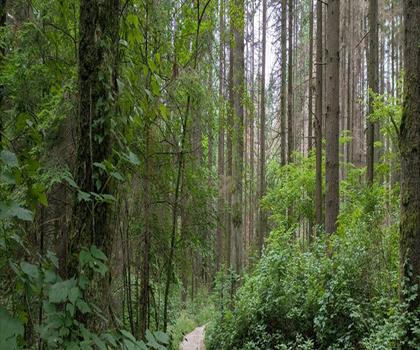
Bridle Path
Vancouver Coast Mountains
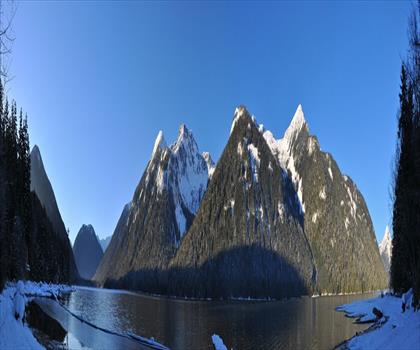
Flora Lake
Vancouver Coast Mountains
Alouette Mountain
Vancouver Coast Mountains
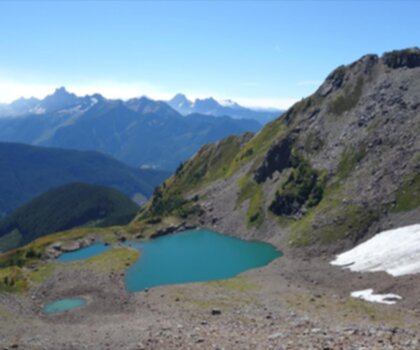
Williamson Lake
Vancouver Coast Mountains
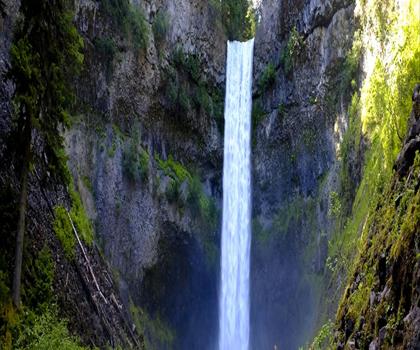
Brandywine Mountain
Vancouver Coast Mountains
Coliseum Mountain
Vancouver Coast Mountains
Hiking near Vancouver
235 trails to explore ~45 km away
We work hard to provide the most up-to-date and error-free data possible. If something seems incorrect, let us know! Your contribution helps the whole community.
Hikers' opinions