


Ready to explore Grouse Mountain? Here's everything you need to know before you go!
Discover the trail
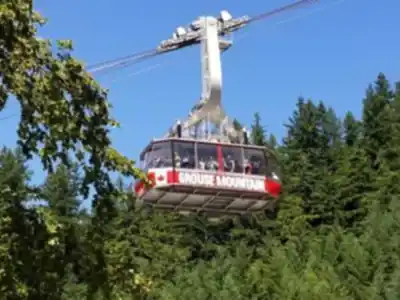
Trail description
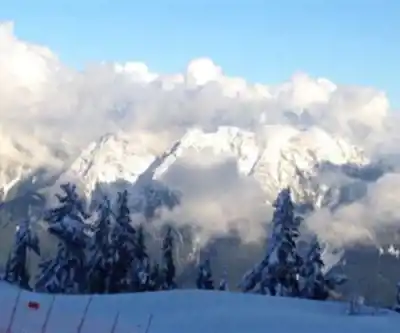
Grouse Mountain rises over 1,200 meters above sea level in the North Shore Mountains, offering one of Vancouver's most accessible mountain experiences just minutes from downtown. This prominent peak in the Pacific Ranges provides year-round outdoor recreation through its resort facilities and the famous Grouse Grind hiking trail, making it a cornerstone destination for both locals and visitors exploring British Columbia's coastal mountains.
The mountain's geological foundation consists of sedimentary rock layers deposited from the Cambrian to Jurassic periods, shaped by heavy glaciation during the Pleistocene era. Today, thick glacial till blankets much of the terrain, while small glaciers persist on the north and east-facing slopes. This geological history created the varied topography that makes Grouse Mountain both challenging for hikers and ideal for ski resort development.
The Grouse Grind Trail
The centerpiece hiking experience is the Grouse Grind, a demanding 2.9-kilometer trail that climbs relentlessly from the base to the mountaintop. Known locally as "Mother Nature's Stairmaster," this trail gains significant elevation over its relatively short distance, making it one of the most challenging urban-accessible hikes in North America. The trail consists largely of natural stone steps, roots, and steep switchbacks carved into the mountainside.
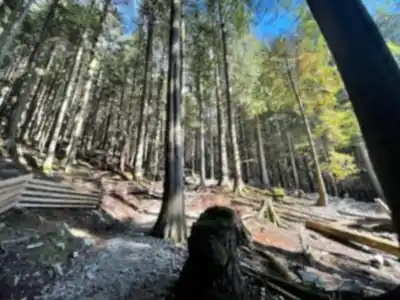
Hikers should expect a sustained uphill grind with minimal flat sections for rest. The trail winds through dense coastal forest dominated by Douglas fir, western hemlock, and western red cedar. As you climb higher, the forest canopy opens to reveal glimpses of Vancouver's skyline and the waters of English Bay. The final sections offer increasingly dramatic views as the treeline thins near the summit.
The Grouse Grind operates seasonally from May through October, with exact opening and closing dates dependent on snow conditions and trail maintenance. During peak summer months, the trail can become extremely crowded, particularly on weekends and evenings when locals use it for after-work fitness training.
Summit Access and Facilities
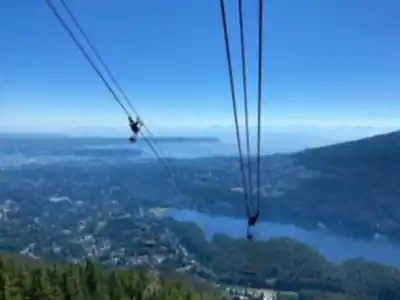
Reaching Grouse Mountain's summit is possible via two primary methods: hiking the Grouse Grind or riding the Swiss Garaventa aerial tramway. The tramway provides year-round access and offers spectacular views during the ascent, making the mountain accessible to visitors of all fitness levels. Once at the top, the resort facilities create a unique mountaintop destination.
The summit features a 100-seat mountaintop theatre that hosts various presentations throughout the year. During summer months, visitors can experience lumberjack shows that demonstrate traditional logging skills, complete with axe throwing, log rolling, and chainsaw carving. The birds of prey wildlife demonstration showcases raptors native to British Columbia, including eagles, hawks, and owls in flight demonstrations against the backdrop of the coastal mountains.
A wildlife refuge on the mountain provides sanctuary for rescued and rehabilitated animals, including grizzly bears and wolves that cannot be returned to the wild. The scenic chairlift ride extends the mountain experience, carrying visitors to even higher elevations for panoramic views of Greater Vancouver, the Pacific Ocean, and surrounding mountain ranges.
Winter Recreation
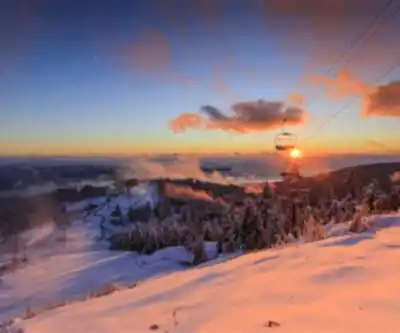
Grouse Mountain Resort transforms into a winter sports destination with four chairlifts servicing 26 ski runs. The resort caters to various skill levels, from gentle beginner slopes to challenging terrain for advanced skiers and snowboarders. The elevation and north-facing aspects help maintain snow conditions throughout the winter season, while the proximity to Vancouver makes it an convenient option for urban dwellers seeking mountain snow sports.
Night skiing extends the winter experience, with illuminated runs offering a unique perspective of the city lights below. The resort's location provides one of the few opportunities worldwide to ski while overlooking a major metropolitan area and ocean simultaneously.
Historical Context
The mountain's human history spans millennia, beginning with the Coast Salish peoples who hunted and fished in the surrounding area long before European contact. Captain George Vancouver first documented the peak in 1792, naming it after his friend Sir Hugh Palliser, though the current name derives from the blue grouse that inhabit the region.
Early mountaineering attempts faced significant challenges, with James Sinclair's 1858 expedition turned back by deep snow conditions. Success came in 1894 when James Outram led the first recorded successful ascent. The transition from wilderness peak to recreational destination began with the ski resort's opening in 1926, establishing Grouse Mountain's role in Vancouver's outdoor recreation landscape.
The resort has evolved through multiple ownership changes and facility upgrades, including the replacement of the original lodge after a 1933 fire, chairlift installations in 1945 and 1966, and transitions between private and government ownership. Modern developments include contemporary lodge facilities built in 2004 and gondola upgrades in 2006, maintaining the mountain's position as a premier recreational destination.
Planning Your Visit
Helicopter sightseeing operates from the summit, providing aerial perspectives of the Coast Mountains, Vancouver Island, and the Fraser Valley. These flights offer unique photographic opportunities and access to remote mountain terrain not visible from ground level.
The combination of accessible location, diverse recreational opportunities, and dramatic elevation gain makes Grouse Mountain a distinctive destination in British Columbia's outdoor recreation landscape. Whether ascending via the challenging Grouse Grind trail or the comfortable tramway, visitors experience the transition from urban environment to alpine setting within a single journey, showcasing the remarkable geographical diversity that defines Vancouver's relationship with its surrounding mountains.
Recommended gear for this trail
As an Amazon Associate I earn from qualifying purchases.


Ready to go?
Everything you need to know before you goStarting Point
The easiest way to get to the start of the trails at grouse mountain is to take the grouse mountain Skyride. The Skyride is a cable car that takes visitors from the base of the mountain to the top.
The cross-country ski trailhead at grouse mountain is located in North Vancouver, British Columbia. To get there, take the Trans-Canada Highway (Highway 1) to the Lions Gate Bridge. Cross the bridge and take the exit for Marine Drive. Follow Marine Drive until it ends and turn left onto Capilano Road. Follow Capilano Road until it ends and turn right onto Nancy Greene Way. The trailhead will be on your left.
When?
How much?
As an Amazon Associate I earn from qualifying purchases.
Affiliate links — LGPO may earn a commission at no extra cost to you.
- Hiking shoes Essential
- → Salomon Elixir Tour Mid WP · 203.38 $
- Layered clothing Essential
- Rain jacket Essential
- Trekking poles
- → Black Diamond Trail Ergo Cork · 69.99 $
- Headlamp
- → Petzl Actik Core 625 · 103.95 $
FAQ - Frequently asked questions
Everything you need to know
25 hikes under 2 hours from Montreal
Distance, elevation, parking and season for each one. The ones we go back to ourselves.
Get the guideSimilar hikes nearby
Discover other trails you might enjoy
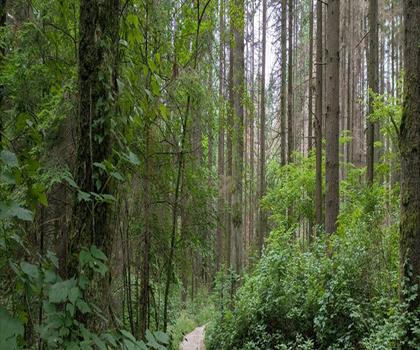
Bridle Path
Vancouver Coast Mountains
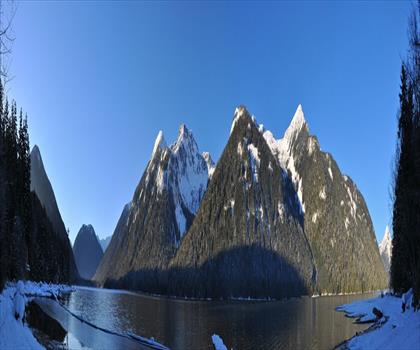
Flora Lake
Vancouver Coast Mountains

Alouette Mountain
Vancouver Coast Mountains
Williamson Lake
Vancouver Coast Mountains
Brandywine Mountain
Vancouver Coast Mountains

Coliseum Mountain
Vancouver Coast Mountains
Hiking near Vancouver
235 trails to explore ~11 km away
We work hard to provide the most up-to-date and error-free data possible. If something seems incorrect, let us know! Your contribution helps the whole community.
Hikers' opinions
Be the first to review!
No hiker has shared their experience yet. Share your impressions and help other hikers!