
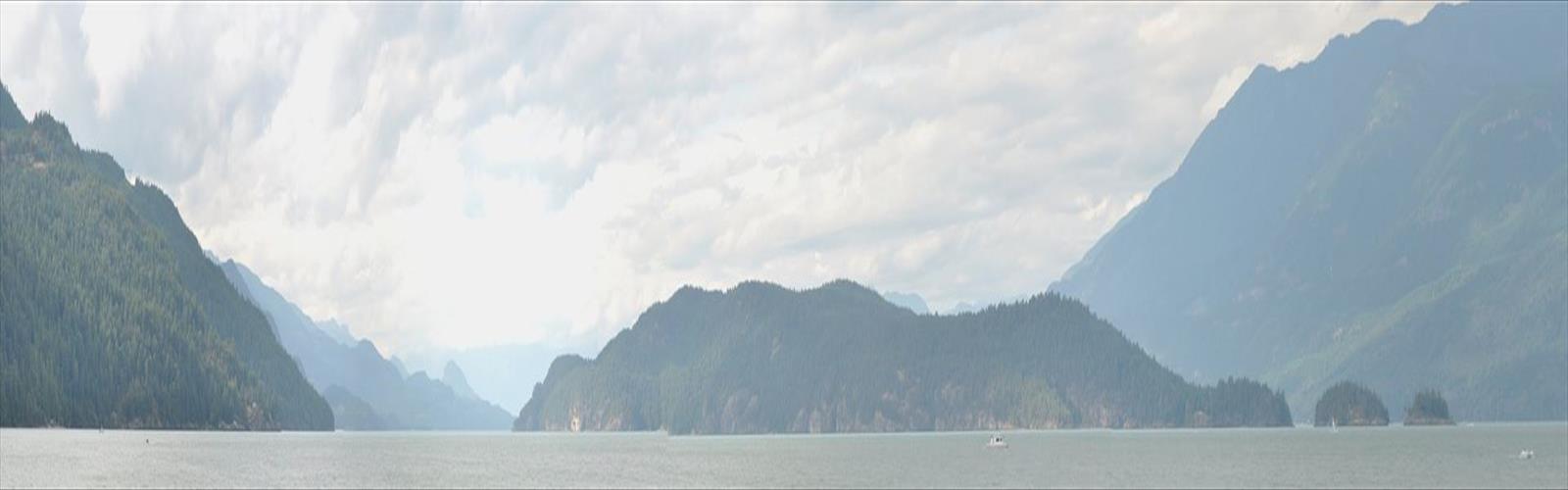

Ready to explore Harrison Lake? Here's everything you need to know before you go!
Discover the trail
Trail description
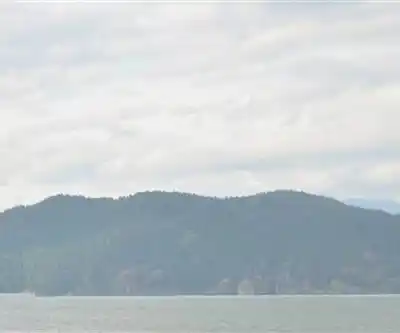
Harrison Lake stands as the largest lake in the southern Coast Mountains of Canada, stretching approximately 60 kilometers in length and nearly 9 kilometers at its widest point. This massive body of water covers about 250 square kilometers, making it an impressive natural landmark just 95 kilometers east of downtown Vancouver. The lake occupies the last in a series of large north-south glacial valleys that feed into the Fraser River, positioned between the Lillooet Ranges to the east and the Douglas Ranges to the west.
The lake's southern terminus sits at the resort community of Harrison Hot Springs, while its northern reaches extend to the small First Nations community of Port Douglas, known as Xa'xtsa in the St'at'imcets language and home to the In-SHUCK-ch Nation. This dramatic glacial valley showcases the raw power of ancient ice flows that carved these deep waterways, creating a landscape that has served as both a natural highway and a formidable barrier throughout British Columbia's history.
Natural Features and Geography
The Lillooet River provides the main water flow into Harrison Lake, creating a small bay called Little Harrison Lake at the northern end. This inlet area once hosted Port Douglas, one of British Columbia's significant ghost towns during the gold rush era, though today the eastern shore houses the rancherie of the Port Douglas Band.
Halfway down the lake's eastern shore, the Silver River valley opens up, with the Big Silver River and its tributary, the Little Silver, contributing substantial water flow. Directly across on the western shore lies Twenty-Mile Bay, creating a natural landmark for navigation on this expansive water body.
Two significant islands break up the lake's surface. Long Island, aptly named for its impressive dimensions, stretches 9.5 kilometers in length and 2.6 kilometers in width, making it the lake's largest island. Echo Island, measuring 4 kilometers long and 2.2 kilometers wide, sits closer to the southern end near Harrison Hot Springs, positioned just east of the forested canyon where the Harrison River begins its journey toward the Fraser River near Chehalis.
Historical Significance
Harrison Lake played a crucial role in British Columbia's early development as a key water link on the Douglas Road during the Fraser Canyon Gold Rush of 1858-60. This route provided essential access to the goldfields of the upper Fraser, making the lake a vital transportation corridor for thousands of prospectors and settlers. The remnants of this historical importance can still be seen in the ghost town sites and the cultural significance the area holds for local First Nations communities.
The lake's northwest shore features Doctors Point, a location of particular cultural importance that served as both a village site and a Transformer site in Indigenous tradition. Visitors can still observe large rock paintings here that depict either the spirit of the winds that govern travel on the lake or a medicine man transformed to stone by the Transformer, offering a tangible connection to the area's deep cultural heritage.
Natural Hot Springs
Three hot springs enhance the area's appeal, located along the shores or near the lake. The most accessible springs are found at Harrison Hot Springs at the southern end, while additional thermal features exist near Port Douglas at the northern end and at Clear Creek, a tributary of the Silver River. These geothermal features add a unique dimension to any visit, providing opportunities for relaxation after exploring the surrounding wilderness.
Water Safety Considerations
Despite its stunning turquoise waters and inviting appearance, Harrison Lake presents serious safety concerns for swimmers. The water maintains unusually frigid temperatures year-round due to its glacial origins and significant depth. These conditions have contributed to multiple drowning incidents, with at least three fatalities in 2015 alone and up to 70 deaths in recent years. Local authorities have initiated efforts to post warning signs about these life-threatening risks.
The lake's size and mountain setting also create unpredictable weather conditions and sudden wind changes that can challenge even experienced boaters. The Indigenous rock paintings at Doctors Point specifically reference the spirits of the winds that rule travel on the lake, reflecting centuries of respect for the water's power and unpredictability.
Access and Activities
The 1.6-kilometer trail around portions of the lake offers an easy walk with minimal elevation gain of just 1 meter, making it accessible for most visitors in about 45 minutes. This gentle terrain allows hikers to focus on the spectacular mountain views and pristine wilderness without technical challenges.
The lake serves as an excellent destination for fishing and boating, though proper safety equipment and weather awareness are essential. Several campgrounds and resorts around the lake provide accommodation options, with Harrison Hot Springs offering the most developed facilities and services. The combination of wilderness access and resort amenities makes this area suitable for both rugged outdoor adventures and more comfortable family outings.
Photographers will find endless opportunities to capture the interplay of mountains, water, and sky, particularly during the golden hours when the surrounding peaks reflect in the lake's surface. The sheer scale of the landscape, with mountains rising directly from the water's edge, creates dramatic compositions that showcase the raw beauty of British Columbia's Coast Mountains.
The lake's position within the broader network of glacial valleys offers opportunities to explore the region's interconnected waterways, including the Chehalis, Stave, Alouette, Pitt, and Coquitlam Rivers that drain the Coast Mountains into the Fraser River system.
The Essential Hiking Checklist
Everything you need for your next hike. Bilingual, printable, 1 page.
Get your free hiking checklistRecommended gear for this trail
As an Amazon Associate I earn from qualifying purchases.


Ready to go?
Everything you need to know before you goStarting Point
The harrison lake trails can be accessed from the Harrison Mills area. From Highway 1, take exit 135 and follow the signs to Harrison Mills. Once in Harrison Mills, turn left onto Hot Springs Road and drive for about 5 km until you reach the parking lot for the trails.
When?
How much?
As an Amazon Associate I earn from qualifying purchases.
Affiliate links — LGPO may earn a commission at no extra cost to you.
- Hiking shoes Essential
- → Salomon Elixir Tour Mid WP · 203.38 $
- Layered clothing Essential
- Rain jacket Essential
- Trekking poles
- → Black Diamond Trail Ergo Cork · 69.99 $
- Headlamp
- → Petzl Actik Core 625 · 103.95 $
FAQ - Frequently asked questions
Everything you need to knowSimilar hikes nearby
Discover other trails you might enjoy
Bridle Path
Vancouver Coast Mountains
Flora Lake
Vancouver Coast Mountains

Alouette Mountain
Vancouver Coast Mountains
Williamson Lake
Vancouver Coast Mountains
Brandywine Mountain
Vancouver Coast Mountains

Coliseum Mountain
Vancouver Coast Mountains
Hiking near Squamish
211 trails to explore ~95 km away
We work hard to provide the most up-to-date and error-free data possible. If something seems incorrect, let us know! Your contribution helps the whole community.
Hikers' opinions
Be the first to review!
No hiker has shared their experience yet. Share your impressions and help other hikers!