
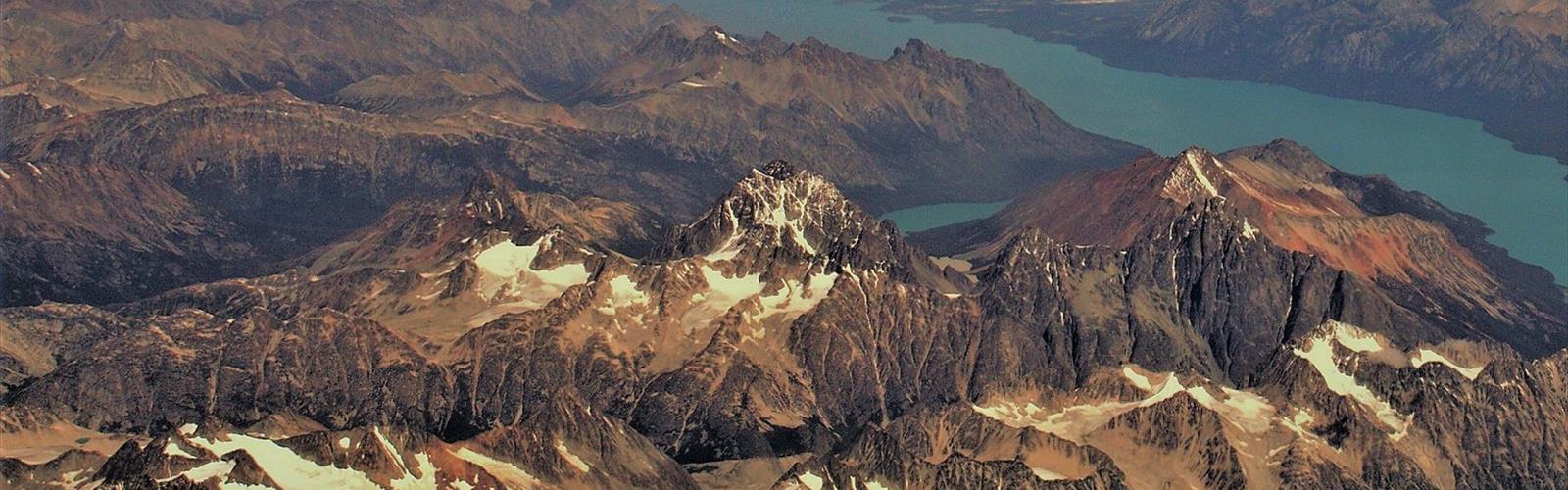

Ready to explore Hope Mountain? Here's everything you need to know before you go!
Discover the trail
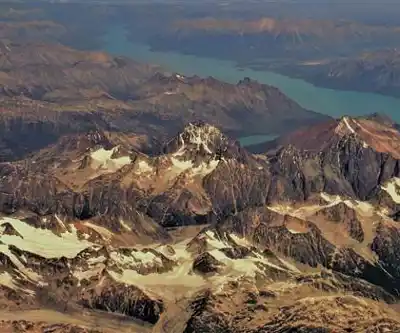
Trail description
Hope Mountain stands as one of the Vancouver Coast Mountains' most accessible yet rewarding hiking destinations, offering outdoor enthusiasts a genuine mountain experience just 90 minutes from Vancouver. Located near the town of Hope, this 10-kilometer trail delivers serious elevation gain and spectacular views while remaining achievable for hikers ready to tackle a challenging day on the mountain.
The mountain showcases the Coast Mountains' signature blend of dense coastal forest and dramatic alpine terrain. Your journey begins in thick stands of Douglas fir, western hemlock, and cedar that provide cool, shaded hiking even during hot summer days. As you climb through the 1200 meters of elevation gain, the forest gradually opens to reveal the expansive mountain vistas that define this region's character.
The Hiking Experience
This hard-rated trail demands respect and preparation, with steep, sustained climbing that will challenge your cardiovascular fitness and leg strength throughout the 4.5-hour journey. The path maintains a relentless upward trajectory, transitioning from well-defined forest trails to increasingly rocky and exposed terrain as you approach higher elevations.
The lower sections wind through dense coastal forest where the canopy filters sunlight into dappled patterns on the forest floor. Here, the trail feels intimate and enclosed, with the sound of your footsteps muffled by thick moss and forest debris. As you gain elevation, the character shifts dramatically. The trees thin out, rocky outcrops become more frequent, and glimpses of the surrounding peaks begin to appear through breaks in the canopy.
The upper reaches of Hope Mountain require careful foot placement and potentially some basic scrambling skills as the trail becomes more technical. Loose rock and steep grades demand secure footing and focused attention. The terrain here feels genuinely alpine, with exposed sections that give you a real sense of the mountain's scale and your position within the larger Coast Mountains landscape.
Views and Rewards
The summit delivers 360-degree views that justify every step of the challenging ascent. From the top, sweeping vistas extend across the Fraser Valley, where you can trace the river's meandering path through the patchwork of agricultural land below. The surrounding peaks create a dramatic backdrop that shifts character throughout the day as light and shadow move across the ridgelines.
On clear days, the vista extends deep into the Coast Mountains in multiple directions, providing a real sense of the scale and complexity of this mountain range. The view encompasses both the civilized valley floor with its farms and communities and the wild mountain country that stretches to the horizon. Multiple viewpoints along the route offer different perspectives, making this trail excellent for photography enthusiasts willing to carry camera gear up the steep slopes.
Wildlife and Natural Environment
Hope Mountain's diverse elevation zones support healthy wildlife populations that hikers regularly encounter. Black bears actively use these slopes throughout the hiking season, particularly during late summer when berry crops ripen across the mountainside. Deer frequent the more open areas, especially visible during early morning and evening hours when they move between feeding and resting areas.
The mountain's bird life reflects its varied habitats. Forest-dwelling species like Steller's jays and varied thrushes dominate the lower elevations, while different alpine species appear as you climb higher. The transition between forest and alpine zones creates edge habitat that attracts diverse wildlife throughout the hiking season.
Small streams cross several trail sections, especially during snowmelt season, adding the pleasant sound of running water to your hiking experience. These water sources become less reliable at higher elevations and later in the season, making adequate water carrying essential for the full route.
Access and Approach
Reaching Hope Mountain involves a straightforward drive from Vancouver via Highway 1 East toward Hope. Once in town, navigate to Flood-Hope Road and follow it toward Silver Skagit Road to access the trailhead. The 90-minute drive under normal traffic conditions makes this a reasonable day trip destination for Lower Mainland hikers.
The final approach on Flood-Hope Road includes gravel sections that are generally suitable for regular passenger vehicles during dry conditions. However, these roads can become challenging during wet weather or early season conditions when frost and mud create traction issues.
Seasonal Timing and Conditions
The hiking season typically runs from late spring through fall, though snow can linger at higher elevations well into early summer. Early season conditions often include muddy trails and stream crossings swollen with snowmelt, making the already challenging trail even more demanding.
Late summer and early fall generally provide the most stable weather and trail conditions, offering the best chance for clear summit views. However, this period also coincides with peak bear activity as animals actively feed before winter, requiring extra vigilance and proper food storage practices.
Winter conditions make the mountain unsuitable for casual hiking, as significant snow accumulation and avalanche risk require specialized equipment and mountaineering expertise.
Preparation Essentials
Mountain weather in the Coast Mountains changes rapidly, making layered clothing essential for handling temperature variations between shaded forest sections and exposed alpine areas. Even on warm valley days, temperatures drop significantly at higher elevations, and wind exposure near the summit creates additional cooling effects that can catch unprepared hikers off guard.
Sturdy hiking boots provide crucial traction and ankle support on the rocky upper sections where loose rock and steep grades demand secure footing. Trekking poles prove valuable for the sustained climbs and during descent when tired legs need extra stability on steep terrain.
Carry adequate water for the full route, as natural sources become unreliable at higher elevations and later in the season. Pack substantial snacks or lunch to fuel your body through the demanding 4.5-hour effort, and bring a detailed topographic map since route-finding becomes more complex in the alpine terrain.
Environmental Stewardship
Hope Mountain's pristine condition depends entirely on hikers following Leave No Trace principles throughout their visit. Pack out all trash, including organic waste that doesn't decompose quickly in mountain environments. Stay on established trails to prevent erosion and protect fragile alpine vegetation that requires years to recover from trampling damage.
Proper wildlife protocols become especially important given the active bear population. Make noise while hiking, particularly in areas with limited visibility, and understand appropriate responses to wildlife encounters. Proper food storage prevents animals from becoming habituated to human food sources, protecting both wildlife and future hikers who use these trails.
The Essential Hiking Checklist
Everything you need for your next hike. Bilingual, printable, 1 page.
Get your free hiking checklistRecommended gear for this trail
As an Amazon Associate I earn from qualifying purchases.


Ready to go?
Everything you need to know before you goStarting Point
The hope mountain trails can be accessed from the town of Hope, British Columbia. From Hope, drive north on Highway 3 for approximately 15 kilometers until you reach the junction for Highway 7. Turn left onto Highway 7 and drive for another 5 kilometers until you reach the junction for the hope mountain Forest Service Road. Turn right onto the Forest Service Road and drive for 2 kilometers until you reach the trailhead parking lot.
When?
How much?
As an Amazon Associate I earn from qualifying purchases.
Affiliate links — LGPO may earn a commission at no extra cost to you.
- Hiking shoes Essential
- → Salomon Elixir Tour Mid WP · 203.38 $
- Layered clothing Essential
- Rain jacket Essential
- Trekking poles
- → Black Diamond Trail Ergo Cork · 69.99 $
- Headlamp
- → Petzl Actik Core 625 · 103.95 $
FAQ - Frequently asked questions
Everything you need to knowSimilar hikes nearby
Discover other trails you might enjoy
Bridle Path
Vancouver Coast Mountains
Flora Lake
Vancouver Coast Mountains

Alouette Mountain
Vancouver Coast Mountains
Williamson Lake
Vancouver Coast Mountains
Brandywine Mountain
Vancouver Coast Mountains

Coliseum Mountain
Vancouver Coast Mountains
Hiking near Vancouver
235 trails to explore ~124 km away
We work hard to provide the most up-to-date and error-free data possible. If something seems incorrect, let us know! Your contribution helps the whole community.
Hikers' opinions
Be the first to review!
No hiker has shared their experience yet. Share your impressions and help other hikers!